Author: Leah Gonzales

  • Best Places to Visit in Japan for First Time Travelers

    Best Places to Visit in Japan for First Time Travelers

    Japan offers an incredible variety of destinations, making it one of the most rewarding countries to explore for the first time. From huge metropolitan areas and historic neighborhoods to mountain landscapes, coastal scenery, and regional food cultures, every part of the country can offer a different perspective.

    For first-time travelers, however, deciding where to go can be challenging. Japan has far more destinations than can realistically fit into one vacation, so choosing places that match your interests and available travel time is important.

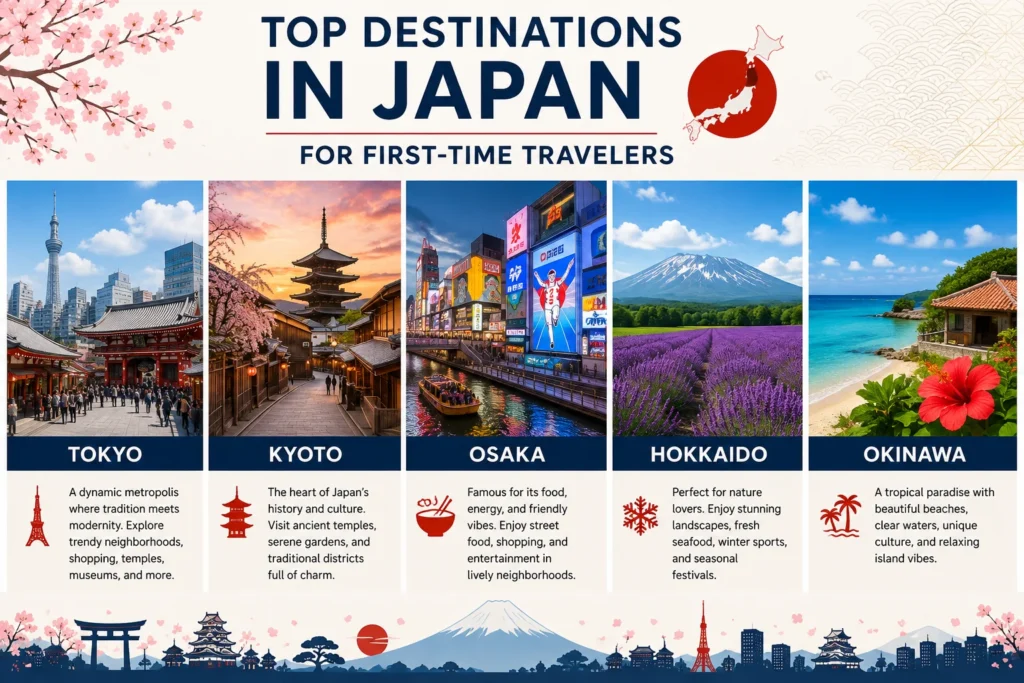
    Some travelers may want to experience the energy of Tokyo, while others may prefer Kyoto’s traditional atmosphere, Osaka’s food culture, or Hokkaido’s seasonal scenery. Understanding what makes each destination different can help create a more enjoyable itinerary.

    If you are still organizing your overall trip, a broader japan travel guide can also help you connect destinations, transportation, food, culture, and seasonal considerations into one plan.

    Tokyo for First Time Visitors
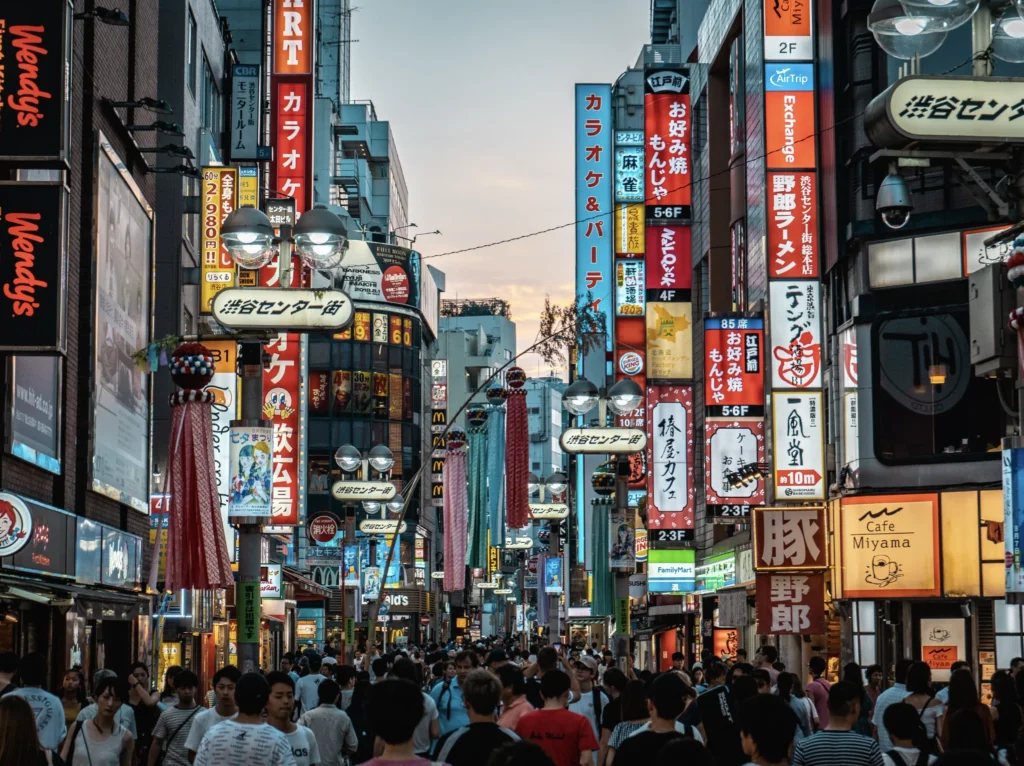
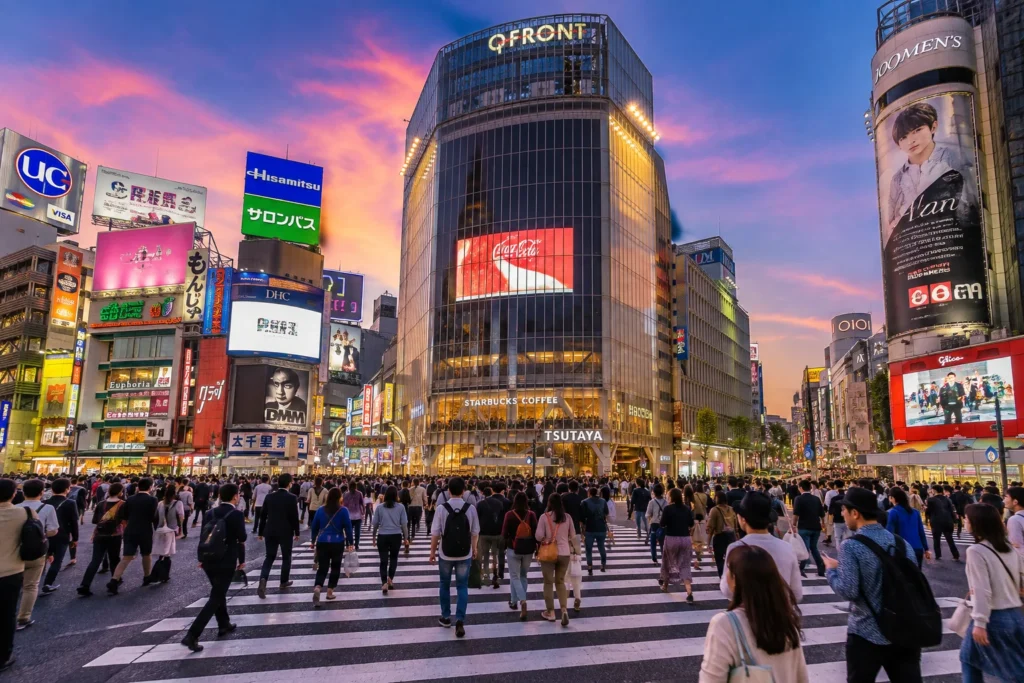
    tokyo for first time travelers

    Tokyo is one of the most popular starting points for travelers visiting Japan.

    The city combines modern architecture, traditional temples, shopping districts, restaurants, museums, entertainment, and residential neighborhoods. Its enormous scale means that travelers can experience several different sides of Japan without leaving the metropolitan area.

    Explore different neighborhoods

    One of the best ways to experience Tokyo is to explore it by neighborhood.

    Areas such as Shibuya are associated with modern city life, shopping, and entertainment, while Asakusa provides a more traditional atmosphere.

    Visitors can also explore Harajuku, Ginza, Shinjuku, Ueno, and other districts depending on their interests.

    Rather than trying to visit every major attraction in one day, travelers should focus on a few areas that are geographically close to each other.

    Combine modern and traditional experiences

    Tokyo’s appeal comes partly from the contrast between old and new.

    A morning visit to a historic temple can be followed by an afternoon exploring contemporary shopping areas or modern architecture.

    This combination makes the city particularly interesting for first-time travelers who want an introduction to the different sides of Japan.

    Kyoto for History and Traditional Culture
    traditional culture and historic attractions in kyoto

    Kyoto is an excellent choice for travelers interested in traditional Japanese culture.

    The city was historically one of Japan’s most important cultural centers and remains known for temples, shrines, gardens, traditional architecture, and historic districts.

    Visit historic temples and shrines

    Kyoto has numerous religious and cultural sites that showcase different aspects of Japanese architecture and history.

    Travelers should avoid treating these locations as simple checklist attractions. Taking time to appreciate gardens, buildings, pathways, and surrounding neighborhoods can make the experience more rewarding.

    Explore traditional neighborhoods

    Some parts of Kyoto retain a strong connection to traditional architecture and local culture.

    Walking through historic streets can provide a different experience from visiting individual attractions.

    Early mornings can also be useful for travelers who want a quieter atmosphere at popular destinations.

    Osaka for Food and Entertainment

    Osaka offers a more energetic and casual urban experience.

    The city is particularly well known for its food culture, shopping, entertainment, and lively neighborhoods.

    Discover local food

    Food can be one of the main reasons to include Osaka in a Japan itinerary.

    Visitors can explore different restaurants and casual dining establishments while trying regional specialties.

    Street food and informal restaurants can be particularly appealing to travelers who want to experience the city’s relaxed atmosphere.

    Explore Dotonbori and surrounding areas

    Dotonbori is one of Osaka’s most recognizable areas, with illuminated signs, restaurants, shops, and entertainment venues.

    However, travelers can also explore other neighborhoods to discover a broader perspective of the city.

    Allowing time to wander between planned activities can lead to smaller restaurants and local businesses that may not be included in a standard itinerary.

    Hokkaido for Nature and Seasonal Experiences

    Hokkaido provides a different experience from Japan’s major cities.

    The region is known for its spacious landscapes, seafood, agricultural products, mountains, and strong seasonal character.

    Visit Sapporo

    Sapporo is the largest city in Hokkaido and can serve as a convenient base for exploring the region.

    The city combines urban attractions with access to seasonal experiences and regional food.

    Travelers can explore restaurants, shopping areas, parks, cultural attractions, and local neighborhoods before venturing farther into Hokkaido.

    Experience winter in Hokkaido

    Winter is one of Hokkaido’s biggest attractions.

    Snow-covered landscapes create opportunities for skiing, snowboarding, winter festivals, and other seasonal activities.

    Travelers visiting during winter should prepare carefully for cold temperatures and snowy conditions.

    Explore Hokkaido beyond Sapporo

    Those with additional time can consider destinations outside the city.

    Hokkaido offers national parks, rural landscapes, hot spring areas, coastal scenery, and agricultural regions.

    However, travelers should account for transportation distances because the region is considerably larger than many first-time visitors expect.

    Nara for a Cultural Day Trip

    Nara can be a convenient addition to a Kansai itinerary, particularly for travelers staying in Kyoto or Osaka.

    The city is known for historic temples, traditional architecture, parks, and its famous deer.

    Explore Nara Park

    Nara Park provides a distinctive experience where visitors can walk through large green spaces while encountering deer.

    The surrounding area also includes several important cultural attractions.

    Travelers can combine a visit to the park with nearby temples and historic sites.

    Give yourself enough time

    Although Nara can be visited as a day trip, travelers should avoid trying to see every attraction in a few hours.

    A slower pace allows more time to explore the surrounding streets and enjoy the atmosphere.

    Hiroshima for History

    Hiroshima offers an important historical and cultural experience.

    The city provides opportunities to learn about its past while also experiencing contemporary Japanese urban life.

    Visit historical sites

    Travelers can visit sites connected with Hiroshima’s history and take time to understand their significance.

    The experience can be reflective, making it different from a typical sightseeing destination.

    Consider Miyajima

    Miyajima is another popular destination that can be combined with a Hiroshima visit.

    Its coastal scenery, traditional structures, and mountain landscape create a strong contrast with the city.

    Combining both destinations can create a more varied experience during a stay in the region.

    Mount Fuji and the Surrounding Region

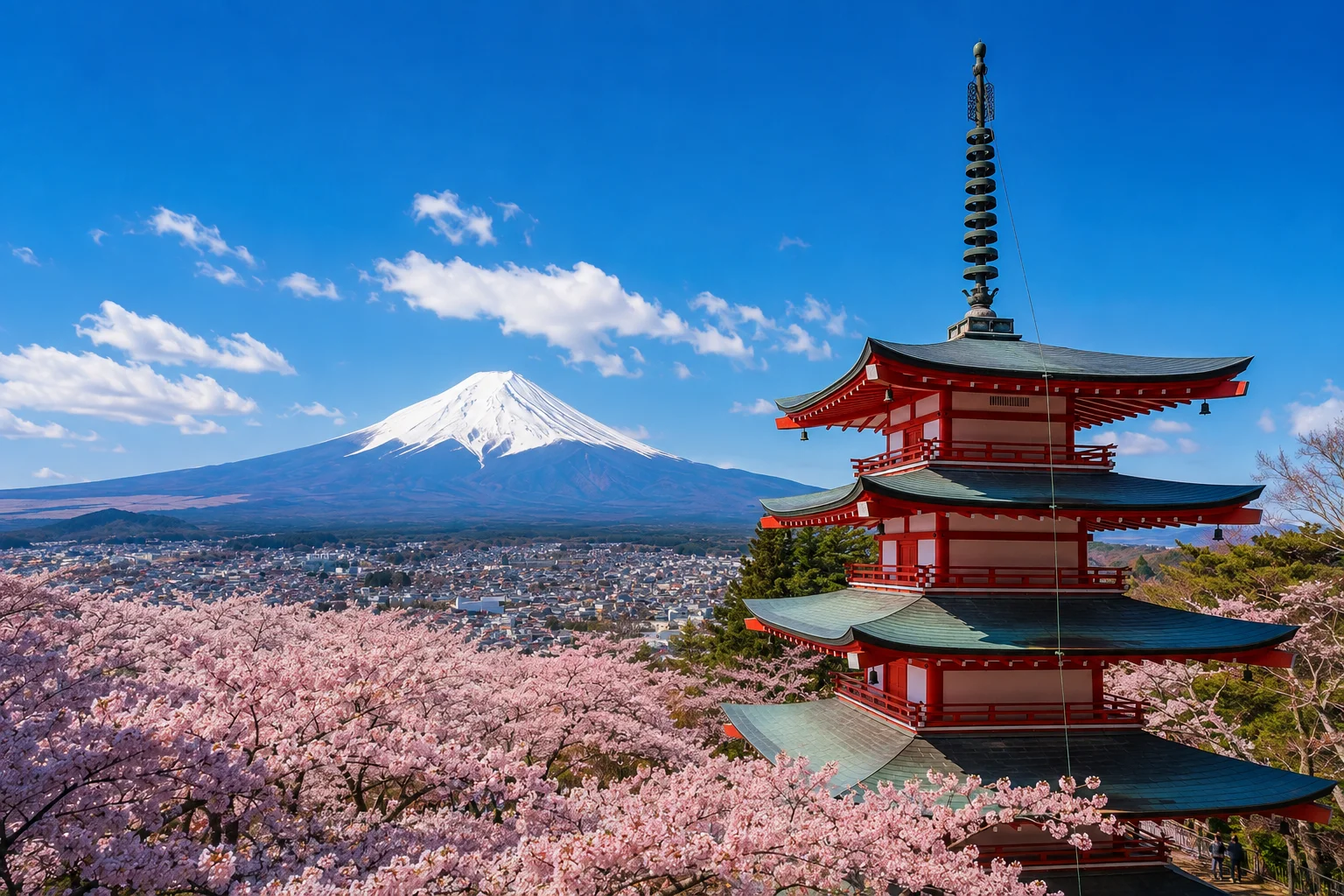
    Mount Fuji is one of Japan’s most recognizable natural landmarks.

    For many first-time visitors, seeing the mountain can be an important part of the journey.

    Look for scenic viewpoints

    There are several areas where travelers can enjoy views of Mount Fuji.

    The experience can change significantly depending on weather and season, so travelers should remain flexible.

    Clear conditions can provide spectacular views, while clouds may partially or completely obscure the mountain.

    Consider the surrounding area

    Travelers do not necessarily need to climb Mount Fuji to experience the region.

    Lakes, traditional towns, parks, and scenic viewpoints around the mountain can provide plenty of opportunities for sightseeing and photography.

    Okinawa for Beaches and Island Culture

    Okinawa offers a completely different atmosphere from Tokyo, Kyoto, or Osaka.

    The islands are known for warm weather, beaches, clear waters, marine activities, and a distinct cultural heritage.

    Enjoy the coastline

    Travelers looking for relaxation can spend time exploring beaches and coastal areas.

    Snorkeling, diving, kayaking, and other water-based activities can also be part of an Okinawa itinerary.

    Experience Okinawan culture

    Okinawa has cultural traditions and food that differ from those found on Japan’s main islands.

    Trying local dishes and exploring traditional areas can add depth to a beach-focused vacation.

    Kanazawa for Traditional Japan Without the Largest Crowds

    Kanazawa can be an appealing alternative for travelers who want historic architecture and cultural experiences.

    The city is known for traditional neighborhoods, gardens, crafts, and regional food.

    Explore Kenrokuen Garden

    Kenrokuen is one of the city’s best-known attractions and offers different experiences throughout the seasons.

    The garden can be particularly appealing to travelers interested in Japanese landscape design.

    Discover historic districts

    Kanazawa also has traditional areas where visitors can explore old streets and architecture.

    These neighborhoods can provide a slower alternative to the fast pace of larger cities.

    Hakone for Hot Springs and Mountain Scenery

    Hakone is another popular destination for travelers who want to combine relaxation with scenic experiences.

    Its proximity to Tokyo makes it suitable for a short getaway.

    Experience Japanese hot springs

    Hot spring experiences can be an excellent way to slow down after several days of urban sightseeing.

    Travelers can stay at traditional accommodations or visit facilities offering hot spring experiences.

    Enjoy views of Mount Fuji

    Depending on weather conditions, some parts of Hakone provide views toward Mount Fuji.

    The region also offers lakes, mountain scenery, museums, and scenic transportation routes.

    Choosing Destinations Based on Your Interests

    There is no universal list of the best places to visit in Japan.

    The right destinations depend on what you want from the trip.

    For food lovers

    Travelers who prioritize food may enjoy combining Osaka, Tokyo, Kyoto, and Hokkaido.

    Each destination provides different culinary traditions and regional specialties.

    For culture enthusiasts

    Kyoto, Nara, Kanazawa, and Hiroshima can provide particularly rich cultural and historical experiences.

    These destinations can also complement one another because each offers a different perspective on Japan.

    For nature lovers

    Hokkaido, Hakone, the Mount Fuji region, and Okinawa provide opportunities to experience landscapes that differ considerably from Japan’s major cities.

    For first-time city explorers

    Tokyo, Osaka, and Kyoto make a strong combination for travelers who want to experience Japan’s urban and cultural highlights.

    The three cities are different enough to create variety while still being practical to combine into one itinerary.

    How Many Destinations Should You Visit?

    One of the biggest planning mistakes first-time visitors can make is trying to visit too many destinations.

    Focus on fewer places for short trips

    If you only have several days, choosing two or three destinations can be more comfortable than trying to cover half the country.

    Constantly changing hotels and transportation can consume valuable vacation time.

    Add more regions to longer trips

    Travelers with more time can gradually expand their itinerary.

    A two-week trip, for example, provides more flexibility than a five-day vacation.

    Even then, travelers should consider whether each additional destination genuinely adds something they want to experience.

    Consider Travel Time Between Destinations

    Japan’s transportation network makes long-distance travel relatively convenient, but distance still matters.

    Traveling between regions requires time for checking out, reaching stations, waiting for transportation, traveling, and checking into the next accommodation.

    A destination may appear close on a map while still requiring several hours of travel.

    Building realistic travel time into the itinerary can prevent unnecessary stress.

    Make Room for Local Experiences

    Major attractions are an important part of a first Japan trip, but travelers should also leave space for less structured experiences.

    Walking through a neighborhood, stopping at a small café, visiting a local market, or discovering a quiet park can become an unexpected highlight.

    These experiences often provide a stronger sense of everyday life than moving constantly between famous landmarks.

    Final Thoughts

    Japan offers an extraordinary range of destinations for first-time travelers.

    Tokyo provides modern urban energy, Kyoto offers traditional culture, Osaka brings food and entertainment, Hokkaido delivers seasonal landscapes and regional cuisine, while Okinawa provides a completely different island experience.

    Beyond these major destinations, places such as Nara, Hiroshima, Kanazawa, Hakone, and the Mount Fuji region can add even more variety.

    The most important thing is to choose destinations based on your interests and available time. Instead of trying to see everything, create an itinerary that balances sightseeing, food, culture, transportation, and relaxation.

    A thoughtful selection of destinations can make a first visit to Japan feel less rushed and allow each place to become part of a memorable travel experience.

    Frequently Asked Questions

    What are the best places to visit in Japan for first-time travelers?

    Tokyo, Kyoto, Osaka, and Hokkaido are popular choices because they provide very different experiences. Nara, Hiroshima, Hakone, Kanazawa, and Okinawa can also be excellent additions depending on your interests.

    How many places should I visit on my first Japan trip?

    The number depends on the length of your vacation. Shorter trips are usually more enjoyable when focused on fewer destinations, while longer trips allow additional regions to be included.

    Is Tokyo or Kyoto better for first-time visitors?

    Both offer different experiences. Tokyo is ideal for travelers interested in modern city life, shopping, entertainment, and diverse neighborhoods, while Kyoto is particularly suited to those interested in traditional culture and historic attractions.

    Is Hokkaido worth visiting on a first trip to Japan?

    Hokkaido can be an excellent choice for travelers interested in nature, seafood, seasonal activities, and winter experiences. However, its distance from central Japan means it should be planned carefully within the overall itinerary.

    Can I visit Osaka, Kyoto, and Tokyo in one trip?

    Yes. These cities are commonly combined because transportation connections make it practical to travel between them. The amount of time available will determine how much of each city you can comfortably explore.

  • Japan Travel Guide for First Time Visitors and Essential Travel Tips

    Japan Travel Guide for First Time Visitors and Essential Travel Tips

    Japan offers an unusual combination of ancient traditions, modern cities, regional food, beautiful landscapes, and highly efficient transportation. For first-time visitors, this variety can make planning exciting but also slightly overwhelming. There are countless places to visit, foods to try, and experiences to consider, from busy urban centers to quiet countryside destinations.

    A successful trip does not require visiting every famous destination. Instead, travelers can create a more enjoyable experience by understanding the country’s regions, choosing destinations that match their interests, and allowing enough time to experience each place without rushing.

    This Japan travel guide introduces some of the key considerations for first-time visitors, including where to go, how to plan transportation, what to eat, how to approach Japanese culture, and how to build a comfortable itinerary.

    Understanding Japan as a Travel Destination

    Japan is an archipelago with considerable geographic and cultural diversity. Tokyo, Kyoto, Osaka, Hokkaido, Okinawa, and other regions can offer very different experiences.

    Major cities offer different experiences

    Tokyo is known for its enormous scale, shopping, dining, entertainment, and mixture of traditional and contemporary neighborhoods.

    Kyoto provides a different atmosphere, with temples, gardens, historic districts, and traditional cultural experiences.

    Osaka is particularly well known for its food culture, energetic neighborhoods, and approachable urban atmosphere.

    Further north, Hokkaido offers a combination of spacious landscapes, seasonal activities, fresh food, and cities such as Sapporo.

    Because these destinations have distinct characteristics, travelers should avoid assuming that one city represents the entire country.

    Japan is highly seasonal

    The seasons can significantly influence a trip.

    Spring is associated with cherry blossoms and comfortable sightseeing conditions in many areas. Summer brings warmer weather and opportunities for festivals and outdoor activities. Autumn offers colorful foliage and cooler temperatures, while winter provides snow experiences, winter sports, seasonal cuisine, and atmospheric landscapes.

    Choosing the season based on the experiences you want can be more useful than simply selecting dates based on availability.

    Choosing Where to Go in Japan

    japan destinations for first time travelers

    First-time visitors often face the challenge of deciding which destinations to include.

    Tokyo for a dynamic introduction

    Tokyo can be an excellent starting point for travelers who want to experience Japan’s modern side.

    The city combines major shopping districts, restaurants, museums, entertainment, historic temples, parks, and neighborhoods with distinct personalities.

    Because of its scale, travelers should avoid trying to explore the entire city in a single day. Grouping attractions by neighborhood can make the experience considerably easier.

    Kyoto for history and culture

    Kyoto is often associated with traditional Japanese architecture, temples, gardens, shrines, and historic neighborhoods.

    Travelers interested in Japanese history and culture may want to dedicate several days to exploring the city rather than treating it as a quick day trip.

    Early mornings can also provide a more relaxed atmosphere at some popular attractions.

    Osaka for food and entertainment

    Osaka offers a lively urban experience with a strong food culture.

    Visitors can explore local specialties, shopping streets, entertainment districts, and cultural attractions.

    Its location also makes it convenient for travelers who want to combine Osaka with destinations in the Kansai region.

    Hokkaido for nature and seasonal experiences

    Hokkaido provides a different perspective on Japan. The region is known for its landscapes, agricultural products, seafood, winter scenery, and outdoor activities.

    Sapporo can serve as a convenient urban base for exploring the region while also offering its own restaurants, shopping, cultural attractions, and seasonal experiences.

    Travelers who want a more refined stay in the city may also consider a luxury sapporo hotel when selecting accommodation.

    Okinawa for a different side of Japan

    Okinawa offers a tropical environment that differs considerably from the main islands.

    Visitors can explore beaches, marine activities, local cuisine, and a distinct cultural heritage.

    It can be particularly appealing to travelers who want to combine Japanese culture with a more relaxed island atmosphere.

    Creating a Japan Itinerary

    The ideal itinerary depends on the length of the trip and the number of regions you want to visit.

    Short trips

    For a short first visit, focusing on one region can make the journey more comfortable.

    Trying to visit Tokyo, Kyoto, Osaka, Hokkaido, and Okinawa within a few days would create significant travel time and leave little opportunity to enjoy each destination.

    A shorter itinerary is often better when it focuses on fewer places.

    Longer trips

    A longer vacation provides more flexibility.

    Travelers can combine major cities with smaller destinations or add regional excursions without making every day feel rushed.

    Longer trips can also allow time for slower experiences such as visiting local neighborhoods, relaxing in an onsen, exploring regional food, or spending time in nature.

    Avoid changing hotels too frequently

    Moving between accommodations can consume more time than expected.

    Packing, checking out, traveling to a station or airport, and checking into another property can take a significant portion of the day.

    Whenever possible, staying several nights in one location can create a more comfortable travel rhythm.

    Getting Around Japan

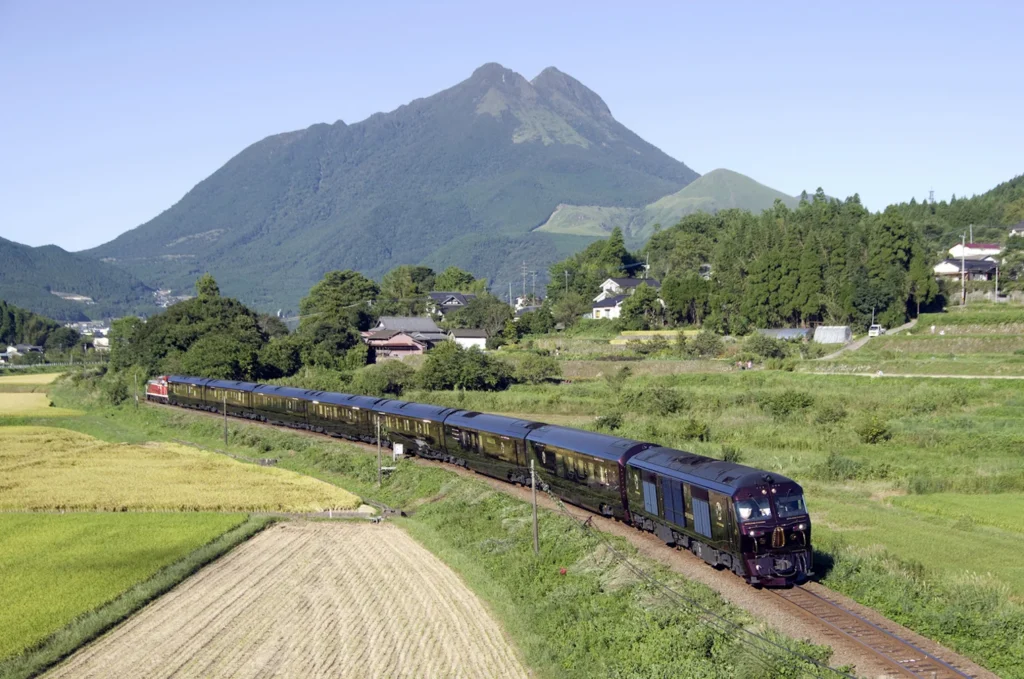
    traveling around japan by train

    Transportation is one of Japan’s major strengths, but first-time visitors may initially find the system complicated.

    Trains are essential for many itineraries

    Rail travel can connect major cities and regional destinations efficiently.

    For travelers moving between major destinations, trains can often be a practical alternative to domestic flights.

    However, the best option depends on the route, duration, luggage, and overall itinerary.

    Local transportation matters too

    Once travelers arrive in a destination, they may use subways, local trains, buses, trams, or taxis.

    Learning the basic transportation options for each city before arrival can reduce confusion.

    Do not underestimate walking

    Walking is often one of the best ways to experience Japanese cities.

    Travelers can discover small restaurants, stores, architecture, residential streets, and public spaces that may not appear on a standard sightseeing list.

    Combining public transportation with walking can create an efficient but immersive travel experience.

    Japanese Food to Try

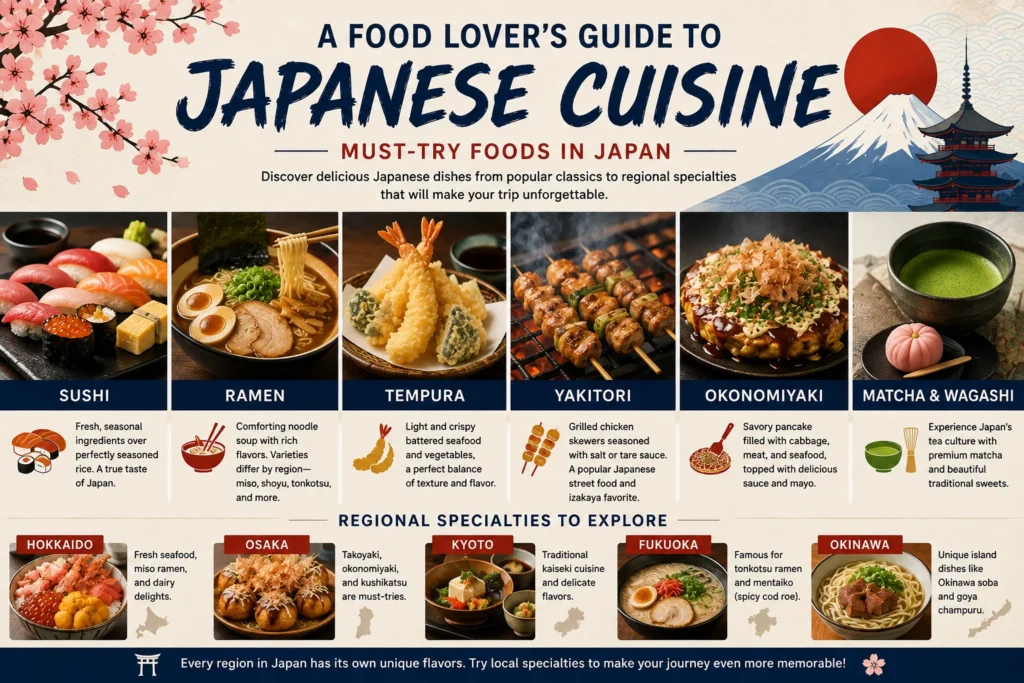
    regional japanese food specialties

    Food is one of the most rewarding parts of traveling through Japan because regional specialties vary considerably.

    Sushi and seafood

    Sushi is internationally recognized, but experiencing seafood in Japan can provide a broader perspective on the cuisine.

    Different regions are known for different seafood, and seasonal availability can influence what appears on restaurant menus.

    Ramen

    Ramen styles vary across Japan.

    Travelers may encounter different broths, noodles, toppings, and regional approaches depending on where they visit.

    Trying ramen in more than one city can be an easy way to notice these regional differences.

    Regional specialties

    Japan’s food culture extends far beyond sushi and ramen.

    Travelers can explore dishes associated with particular cities or regions, including Osaka’s street food, Kyoto’s traditional cuisine, Hokkaido seafood, and Okinawan specialties.

    Trying local dishes can make each destination feel more distinct.

    Understanding Japanese Culture and Etiquette

    Visitors do not need to know every Japanese custom before arriving, but understanding a few basic principles can make interactions smoother.

    Respect shared spaces

    Japan generally places importance on consideration for others in public spaces.

    Keeping conversations relatively quiet on trains, standing in appropriate areas, and avoiding unnecessary disruption can help maintain a comfortable environment.

    Follow local instructions

    Many attractions, restaurants, temples, and public facilities have their own rules.

    Rather than assuming that familiar behavior is acceptable everywhere, travelers should pay attention to signs and instructions.

    Shoes may need to be removed

    Some traditional accommodations, restaurants, temples, and other spaces may require visitors to remove their shoes.

    Travelers can make the process easier by wearing footwear that is convenient to take on and off.

    Choosing Accommodation

    Accommodation can influence the overall comfort of a trip, particularly when travelers are moving between several destinations.

    Prioritize location

    A convenient location can reduce travel time and make it easier to return to the accommodation after a long day.

    For major cities, proximity to public transportation can be particularly useful.

    Consider the purpose of the trip

    Different travelers have different accommodation priorities.

    A solo traveler may prioritize convenience and location, while couples may place more emphasis on atmosphere and dining. Families may need larger rooms and additional facilities.

    Business travelers may prioritize workspace and transportation access.

    Think beyond the room

    The overall accommodation experience can include dining, lounges, wellness facilities, fitness areas, guest services, and other amenities.

    For longer stays, these details can have a meaningful impact on comfort.

    Traveling During Different Seasons

    The season affects more than just the scenery.

    Spring travel

    Spring can be particularly popular because of cherry blossom season.

    However, peak blossom periods can also mean increased demand for accommodation and transportation in certain destinations.

    Travelers who want to experience spring scenery should consider flexibility with dates.

    Summer travel

    Summer can be warm and humid in many parts of Japan.

    Travelers should plan regular breaks, stay hydrated, and consider scheduling outdoor sightseeing during more comfortable parts of the day.

    Summer festivals and regional events can also add something special to an itinerary.

    Autumn travel

    Autumn provides cooler weather and colorful landscapes.

    It can be an excellent season for travelers interested in gardens, mountain scenery, photography, and outdoor exploration.

    Winter travel

    Winter can be particularly rewarding for travelers interested in snow.

    Hokkaido and other northern regions offer winter activities, while mountain areas throughout Japan can provide opportunities for skiing and snowboarding.

    Winter also creates opportunities to experience hot springs while surrounded by cold-weather scenery.

    Planning Around Travel Pace

    One of the most important lessons for first-time visitors is that more destinations do not necessarily create a better trip.

    Leave room for rest

    Long flights, jet lag, walking, and constant sightseeing can quickly become tiring.

    Scheduling occasional slower periods can help travelers maintain their energy.

    A relaxed afternoon at a café or hotel can sometimes be more enjoyable than adding another attraction.

    Mix major attractions with local experiences

    Famous landmarks are worth experiencing, but they do not need to dominate every day.

    Travelers can combine major attractions with neighborhood walks, local restaurants, small shops, and quieter cultural experiences.

    This creates more variety throughout the trip.

    Preparing Before Departure

    Good preparation can reduce stress after arriving in Japan.

    Research transportation routes

    Knowing the general route from the airport to your accommodation is useful, particularly after a long international flight.

    Travelers should also understand how they will move between major destinations.

    Check seasonal weather

    Weather conditions can vary considerably between regions.

    A winter trip to Hokkaido requires very different preparation from a summer trip to Okinawa.

    Packing should therefore be based on the specific destinations and season rather than Japan as a whole.

    Keep important information accessible

    Travelers should keep accommodation details, transportation information, reservation confirmations, and important travel documents accessible during the journey.

    Digital copies can be useful, while having essential information available offline can provide additional convenience.

    Making the Most of Your First Japan Trip

    A first visit to Japan can feel overwhelming because there are so many possibilities.

    The best approach is to identify what genuinely interests you and build the itinerary around those priorities.

    Food lovers might focus on regional cuisine. Culture enthusiasts may spend more time in historic cities. Outdoor travelers can prioritize mountains, parks, and seasonal activities. Shoppers may prefer major urban centers.

    There is no single correct way to experience Japan.

    Building a Balanced Travel Experience

    A well-planned Japan trip should combine convenience with discovery.

    Transportation can help travelers move efficiently, while walking allows them to experience destinations more closely. Major attractions can provide iconic memories, while smaller local experiences can add character to the journey.

    Accommodation, dining, culture, nature, and rest should also have space within the itinerary.

    Travelers who approach planning this way can create a journey that feels personal rather than simply following a checklist of famous places.

    Conclusion

    Japan offers an extraordinary range of travel experiences, from the energy of Tokyo and Osaka to the cultural depth of Kyoto, the seasonal landscapes of Hokkaido, and the tropical character of Okinawa.

    For first-time visitors, the key is not trying to experience everything at once. Choose destinations based on your interests, consider the season, plan transportation in advance, and leave enough time to enjoy each place.

    Food, culture, nature, shopping, and accommodation can all become meaningful parts of the journey when they are balanced with a comfortable pace.

    With thoughtful preparation and a willingness to explore beyond the most famous attractions, a first trip to Japan can become more than a checklist of destinations. It can be an opportunity to experience the different regional identities, traditions, and everyday details that make traveling through Japan so rewarding.

    Frequently Asked Questions

    How many days are needed for a first trip to Japan?

    There is no fixed number, but a longer stay allows travelers to experience multiple regions without rushing. Shorter trips can still be enjoyable when focused on one or two destinations.

    What are the best places to visit in Japan for first-time travelers?

    Tokyo, Kyoto, Osaka, and Hokkaido are popular starting points because they offer very different experiences. The best combination depends on individual interests and available time.

    Is Japan easy to travel around?

    Japan has an extensive transportation network, including trains, subways, buses, and domestic flights. First-time visitors may need some preparation, but transportation becomes easier once the main routes are understood.

    What is the best season to visit Japan?

    Every season has advantages. Spring is popular for blossoms, summer for festivals and outdoor activities, autumn for foliage, and winter for snow experiences and seasonal activities.

    Should I visit multiple cities during my first trip?

    Multiple cities can work well for longer trips. For shorter vacations, focusing on fewer destinations can provide a more relaxed and enjoyable experience.

  • Alila Purnama Liveaboard: What Type of Traveler Is It Really Designed For?

    Alila Purnama Liveaboard: What Type of Traveler Is It Really Designed For?

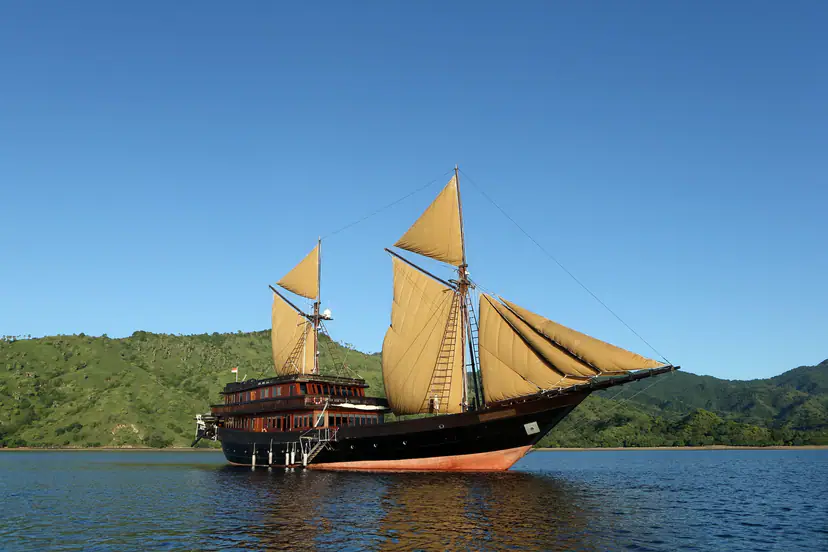
    The Alila Purnama Liveaboard is not designed around a single type of holiday. For some travelers, the journey is about diving in remote Indonesian waters. For others, it is about slowing down, exploring islands that are not easily reached by land, photographing dramatic landscapes, or sharing a private adventure with family and friends.

    Indonesia is particularly suited to this style of travel. With more than 17,000 islands and an extraordinary variety of marine and coastal environments, a journey by sea can offer access to places that are difficult, or sometimes impossible, to reach by conventional land-based travel. From the rugged islands of Komodo to the remote seascapes of Raja Ampat, the destination itself changes dramatically depending on where and how you travel.

    So, what type of traveler is Alila Purnama really designed for?

    The answer is not simply “divers.” Its appeal is broader: travelers who value privacy, flexibility, time on the water, and a more immersive way of discovering Indonesia.

    Is Alila Purnama Liveaboard a Good Choice for Divers?

    For divers, a liveaboard offers one major advantage: the destination is not limited to the coastline surrounding a single resort.

    Indonesia sits within the Coral Triangle, a region widely recognized as one of the world’s most important centers of marine biodiversity. Raja Ampat alone is frequently associated with exceptional coral and fish diversity, while Komodo offers a very different underwater environment shaped by strong currents, dramatic topography, and encounters with species such as manta rays.

    A liveaboard journey allows divers to wake up closer to different dive sites rather than returning to the same harbor every day. This can create a more varied itinerary and reduce the time spent traveling back and forth from shore.

    For travelers planning a Raja Ampat boat charter, the experience may be particularly appealing because many of the region’s islands and dive sites are spread across a vast marine landscape.

    However, the appeal is not only about maximizing the number of dives. Some travelers are equally interested in the rhythm between them: watching islands pass by, relaxing on deck, enjoying meals together, or simply experiencing the changing scenery of an Indonesian journey by sea.

    What About Couples Looking for Privacy?

    Not every couple wants a large resort, a fixed schedule, or a crowded cruise experience.

    For couples, the appeal of a private or small-group yacht journey is the ability to combine several travel experiences into one trip. A single itinerary may include diving or snorkeling, quiet anchorages, island walks, beach time, and evenings spent on the water.

    This makes the Alila Purnama Liveaboard relevant to couples who see the journey itself as part of the destination.

    Rather than choosing between a beach holiday, an adventure trip, and a sailing experience, travelers can combine different elements depending on the itinerary.

    For example, a Komodo journey could appeal to couples interested in a private tour, with experiences that include island landscapes, marine activities, and time away from conventional tourist infrastructure.

    The key attraction is not simply exclusivity. It is flexibility. A yacht can create a more private environment while allowing the scenery outside to change throughout the journey.

    Can Families Enjoy a Liveaboard Experience?

    Families often face a different travel challenge: finding an experience that works for people with different interests and energy levels.

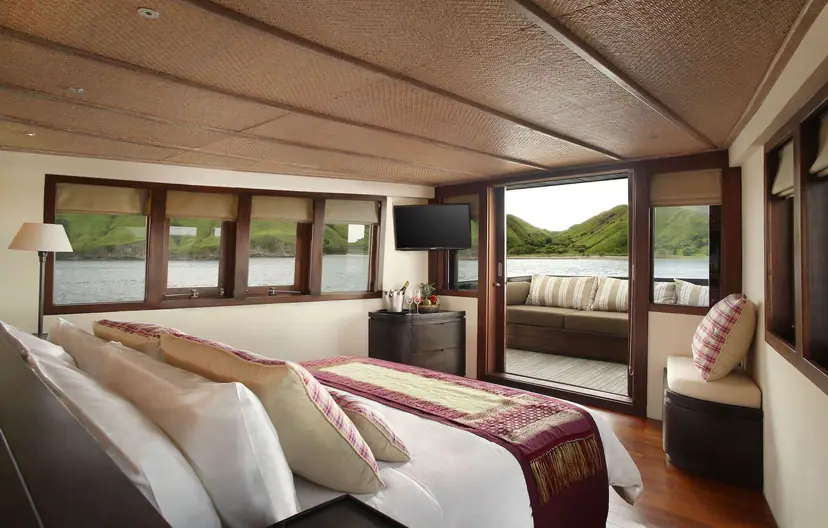
    Alila Purnama Liveaboard Cabins

    One person may want to dive. Another may prefer snorkeling. Someone else may be more interested in beaches, photography, or simply relaxing.

    A yacht-based journey can offer multiple activities without requiring everyone to follow exactly the same schedule.

    This is particularly relevant in Indonesia, where many marine destinations combine underwater experiences with island exploration. Depending on the itinerary and travel arrangements, families may be able to balance active days with quieter periods on board.

    The important consideration is that a liveaboard is not automatically suitable for every family or every age group. Travelers should consider the itinerary, journey duration, sea conditions, available activities, and individual needs before booking.

    But for families looking for a shared adventure rather than a standard resort holiday, a yacht charter in Indonesia can offer a more flexible way to travel together.

    Why Might Photographers Choose Alila Purnama?

    Indonesia offers an unusually diverse visual environment for photographers.

    Komodo is known for its dry hills, volcanic landscapes, beaches, and dramatic coastlines. Raja Ampat, by contrast, is associated with limestone islands, tropical forests, lagoons, and rich marine environments.

    Traveling by yacht can give photographers access to changing locations throughout the day. Early morning light may reveal a quiet anchorage, while sunset can transform the coastline completely.

    For underwater photographers, the appeal is equally obvious: proximity to diverse marine environments can offer opportunities to capture a wider range of subjects during a single trip.

    But photographers do not necessarily need to be divers.

    Landscape, wildlife, travel, and documentary photographers may also value the ability to explore locations beyond a single resort or town. A yacht in Indonesia can serve as both accommodation and a mobile base for exploring remote environments.

    The most important advantage may be time. Instead of making a brief stop before returning to shore, travelers can remain immersed in the landscape.

    Is it suitable for Private Charter Groups?

    Perhaps the most natural fit is a group of travelers who already know they want to share the journey together.

    Friends, families, diving groups, couples traveling together, and special-interest groups can all approach a private charter in different ways.

    One group might build the trip around diving. Another might prioritize island exploration and snorkeling. A third might want a combination of both.

    This flexibility is one of the defining characteristics of private yacht travel. Instead of adapting entirely to a fixed group itinerary, travelers can explore options based on their own interests, subject to the vessel’s routes, operational conditions, and destination requirements.

    For groups considering a luxury yacht charter in Indonesia, the value may lie less in traditional ideas of luxury and more in having space, privacy, and a journey shaped around the people on board.

    A Different Way to Experience Indonesia

    Ultimately, the best traveler for Alila Purnama is someone who does not see transportation as something to get through as quickly as possible.

    The experience is designed for travelers who appreciate the journey between destinations as much as the destinations themselves.

    Divers can explore remote waters. Couples can enjoy privacy and changing landscapes. Families can combine different activities in one journey. Photographers can follow the light and scenery. Private groups can create a more personalized itinerary based on their shared interests.

    With Indonesia’s extraordinary geography, traveling by sea offers something that land-based travel cannot always provide: continuity.

    You do not simply arrive at one island, leave, and move on to the next. You watch the landscape change from the water.

    For travelers looking beyond a conventional holiday, the Alila Purnama Liveaboard offers a way to experience Indonesia as an unfolding journey, one island, anchorage, dive site, and horizon at a time.

    Who Is Alila Purnama Best For?

    If you are considering this type of journey, Alila Purnama may be particularly suited to:

    • Divers looking for access to remote Indonesian marine destinations
    • Couples seeking privacy and a more immersive travel experience
    • Families with different interests who want to share one adventure
    • Photographers interested in landscapes, marine life, and remote locations
    • Groups planning a private yacht journey together
    • Travelers who enjoy slow travel and life at sea as much as the destination itself

    The right choice ultimately depends on your preferred destination, itinerary, travel style, and the experience you want to create. But for those who want Indonesia to feel less like a list of places to visit and more like a journey to experience, traveling by liveaboard offers a distinctive alternative.

  • ホテル滞在中の運動方法:旅行中もフィットネスを維持する究極ガイド

    ホテル滞在中の運動方法:旅行中もフィットネスを維持する究極ガイド

    旅行や出張でホテルに滞在する際、日々の運動習慣が中断されてしまうことに悩む方は少なくありません。しかし、限られたスペースや時間の中でも、工夫次第で効果的に体を動かし、健康的なライフスタイルを維持することは十分に可能です。この記事では、ホテル滞在中の運動方法に焦点を当て、室内で手軽にできるエクササイズから、ホテルの施設や周辺環境を最大限に活用する方法まで、具体的なヒントを網羅的にご紹介します。

    なぜホテル滞在中に運動するのか?

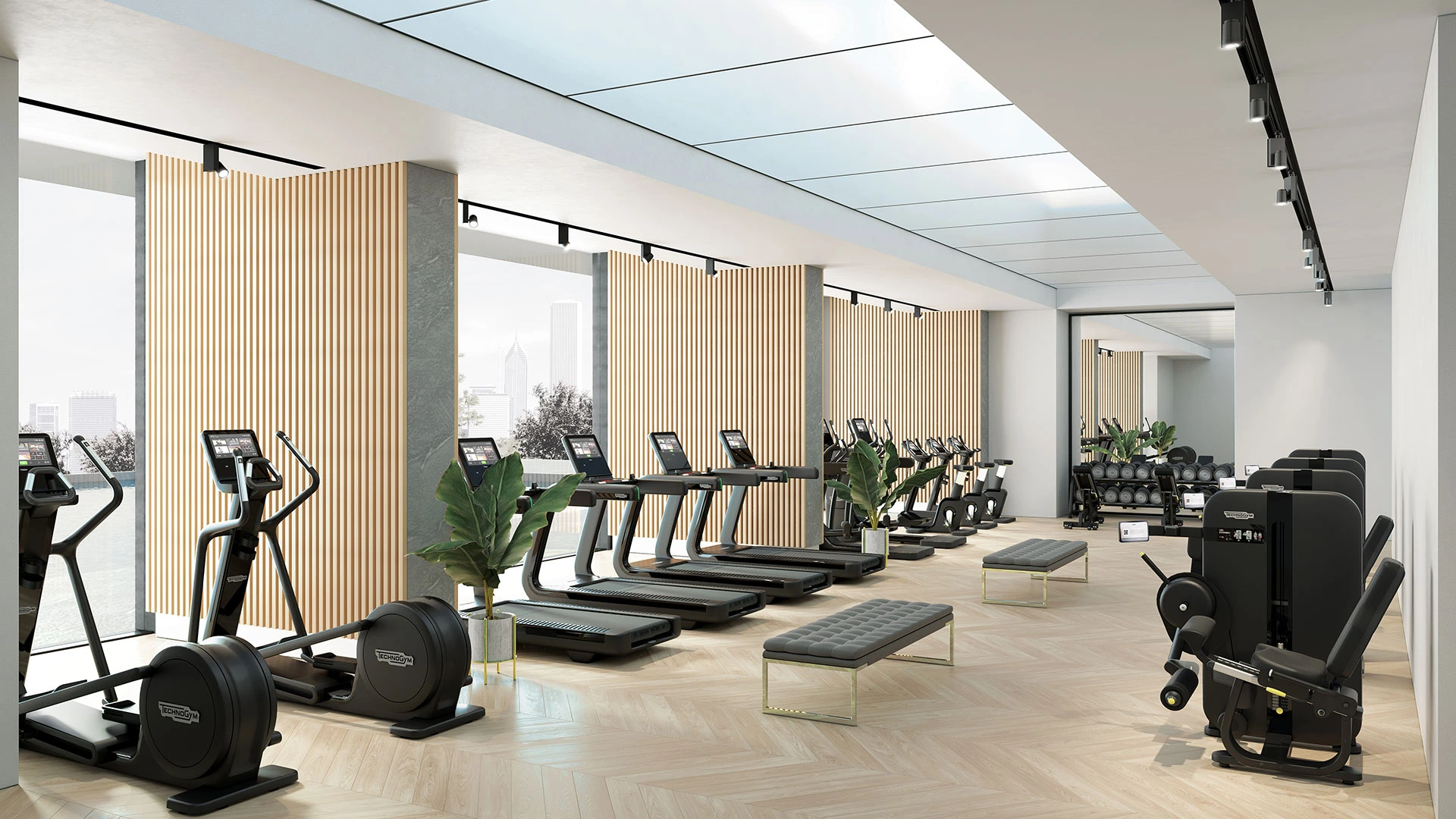
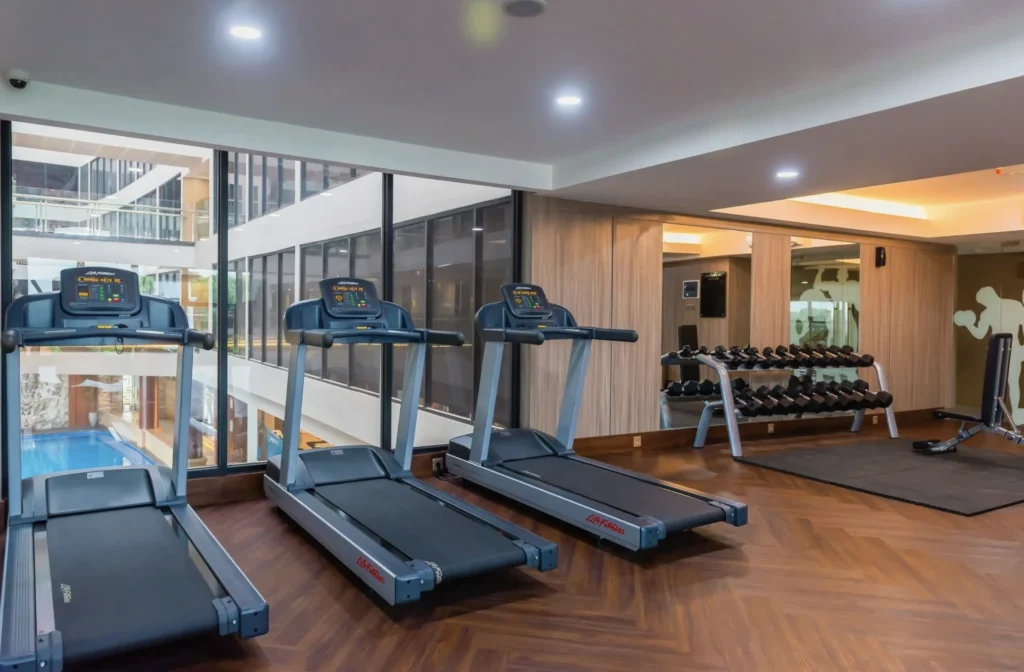
    ホテルジムでトレッドミルを使う宿泊客

    「せっかくの旅行だから休みたい」と思う方もいるでしょう。しかし、ホテル滞在中に運動を取り入れることには、多くのメリットがあります。まず、日頃の運動ルーティンを維持することで、心身の健康を保ち、旅行中のストレス軽減にも繋がります。慣れない環境での疲労感を和らげ、質の良い睡眠を促進する効果も期待できます。

    • ストレス軽減と気分転換:運動はストレスホルモンを減少させ、気分を高めるエンドルフィンの分泌を促します。
    • 生活習慣の維持:健康的な習慣を中断しないことで、帰宅後のリバウンドを防ぎ、体調管理をスムーズにします。
    • エネルギーレベルの向上:適度な運動は血行を促進し、旅行中の活動に必要なエネルギーを高めます。
    • 質の良い睡眠:運動による適度な疲労は、不慣れなベッドでも深い睡眠に繋がることがあります。
    • 観光の充実:体力があることで、より多くの観光地を巡ったり、アクティブな体験を楽しんだりする余裕が生まれます。

    これらのメリットを理解することで、ホテルでの運動に対するモチベーションも高まるはずです。

    部屋でできる簡単エクササイズ

    ホテルの部屋は限られたスペースですが、全身を鍛えるための効果的な運動はたくさんあります。特別な器具がなくても、自分の体重を使って様々なエクササイズが可能です。

    自重トレーニングの基本

    • スクワット:足幅を肩幅に開き、お尻を後ろに突き出すように膝を曲げます。太ももの裏やお尻に効かせます。10〜15回を3セット。
    • プッシュアップ(腕立て伏せ):床に手をつき、胸を床に近づけるように体を下ろします。膝をついて行ってもOKです。10〜15回を3セット。
    • ランジ:片足を大きく前に踏み出し、後ろ足の膝が床に近づくまで体を下ろします。左右交互に10回ずつを3セット。
    • プランク:肘とつま先で体を支え、体が一直線になるようにキープします。30〜60秒を3セット。体幹強化に最適です。
    • バーピー:スクワット、プッシュアップ、ジャンプを組み合わせた全身運動です。短時間で高い運動効果が得られます。5〜10回を3セット。

    これらを組み合わせることで、全身をバランス良く鍛えることができます。テレビを見ながら、または音楽を聴きながら、気軽に始めてみましょう。

    ストレッチとヨガでリフレッシュ

    激しい運動だけでなく、ゆっくりとしたストレッチやヨガも、旅行中の体には非常に効果的です。特に長時間の移動や観光で凝り固まった体をほぐすのに役立ちます。

    • 全身ストレッチ:起床後や就寝前、あるいは運動の前後に行いましょう。首、肩、背中、股関節、太ももの裏など、主要な筋肉をゆっくりと伸ばします。
    • 簡単なヨガポーズ:「ダウンドッグ」「コブラのポーズ」「猫のポーズ」など、比較的簡単でスペースを取らないポーズをいくつか覚えておくと便利です。YouTubeなどの動画アプリで、短いヨガルーティンを探すのも良いでしょう。

    これらの運動は、筋肉の柔軟性を高め、血行を促進し、精神的なリラックス効果も期待できます。忙しい観光スケジュールの中でも、10分程度でも取り入れるだけで、体の状態は大きく変わります。

    ホテルの施設を最大限に活用する

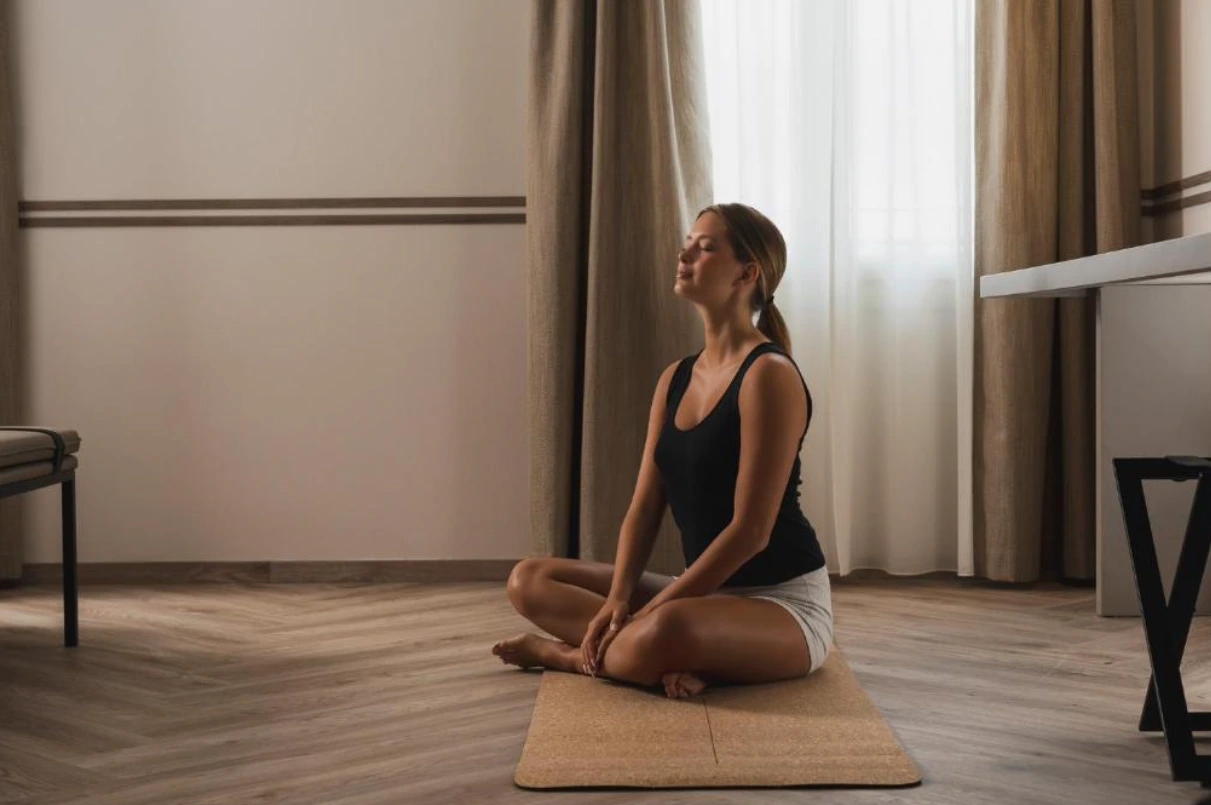
    ホテルの部屋でストレッチをする人

    最近のホテルでは、宿泊客の健康意識の高まりを受けて、様々なフィットネス施設が充実しています。これらを活用しない手はありません。

    ホテルジムの活用

    もしホテルにジムが併設されているなら、これを利用するのが最も効率的です。一般的に、ランニングマシン、エリプティカル、エアロバイクなどの有酸素運動マシンや、ダンベル、マルチジムなどの筋力トレーニング器具が揃っています。旅行先で運動を楽しめるホテルを見つけることで、普段通りのワークアウトを継続できるだけでなく、旅先での特別な気分も味わえるでしょう。早朝や夜間など、人が少ない時間帯を狙って利用すれば、より快適にトレーニングできます。

    プールやスパの利用

    ホテルによっては、屋内プールや屋外プールが完備されていることがあります。水泳は全身運動であり、関節への負担が少ないため、幅広い年齢層におすすめです。泳ぐだけでなく、水中ウォーキングや水中ストレッチも効果的です。運動後は、スパやサウナでリラックスし、疲労回復を促すのも良いでしょう。

    レンタル品の活用

    一部のホテルでは、ヨガマット、レジスタンスバンド、ウェア、シューズなどをレンタルできるサービスを提供しています。荷物を減らしたい旅行者にとっては非常に便利です。予約時に確認してみるか、チェックインの際にフロントに問い合わせてみましょう。

    外出先でのアクティブな過ごし方

    ホテル内に限らず、宿泊地の周辺環境を活用することも、旅行中の運動には非常に有効です。

    ウォーキングやジョギング

    ホテル周辺の散策は、最高の有酸素運動であり、観光にもなります。早朝の涼しい時間帯に、見知らぬ街をジョギングするのは、忘れられない思い出になるかもしれません。公園や川沿いの遊歩道、観光名所を巡るコースなど、事前にルートを調べておくとスムーズです。安全には十分に注意し、交通量の少ない時間帯や場所を選びましょう。

    自転車レンタルとサイクリング

    観光地によっては、レンタサイクルが充実している場所も多いです。自転車で移動すれば、効率的に観光スポットを巡りながら、心地よい運動もできます。レンタサイクルサービスを提供しているホテルや、街中にあるシェアサイクルを利用してみましょう。

    運動を継続するためのヒント

    せっかく「運動しよう」と思っても、なかなか継続できないこともあります。旅行中に運動を習慣化するための具体的なヒントをご紹介します。

    • 事前に計画を立てる:旅行日程に運動の時間を組み込みましょう。例えば、「朝食前に30分ジョギング」「観光から戻ったら15分ストレッチ」など、具体的に決めておくのが効果的です。
    • 運動着を携帯する:「ウェアがないからできない」という言い訳をなくすためにも、必ず運動着とシューズを荷物に入れましょう。軽量で速乾性の高いものがおすすめです。
    • 短期的な目標設定:「旅行中に〇回運動する」「毎日10分だけ体を動かす」といった、達成可能な目標を設定します。
    • アプリや動画を活用する:フィットネスアプリやYouTubeのワークアウト動画は、インストラクターが指示してくれるので、モチベーションを維持しやすいです。
    • パートナーと一緒に:もし旅行に同行者がいるなら、一緒に運動をすることで、互いに励まし合い、楽しく継続できます。
    • 無理はしない:旅行は楽しむことが第一です。体調が優れない時や、スケジュールが詰まっている時は、無理せず休むことも大切です。その分、別の日に少し多めに動くなど、柔軟に対応しましょう。

    これらのヒントを参考に、ご自身のライフスタイルや旅行の目的に合わせて、無理なく運動を取り入れてみてください。

    まとめ

    ホテル滞在中の運動方法は多岐にわたり、特別な場所や器具がなくても実践できるものがたくさんあります。部屋での自重トレーニングから、ホテルのジムやプール、そして周辺でのウォーキングやサイクリングまで、様々な選択肢があります。大切なのは、ご自身の体調や旅行の目的に合わせて、無理なく、楽しく運動を継続することです。

    旅行中も健康的な習慣を維持することで、心身ともにリフレッシュし、より充実した旅の体験を得ることができるでしょう。次のホテル滞在では、ぜひこの記事で紹介したヒントを参考に、アクティブな時間を取り入れてみてください。

  • Fenides Yacht Charter Review: Cabins, Facilities, Rates, and Experience

    Fenides Yacht Charter Review: Cabins, Facilities, Rates, and Experience

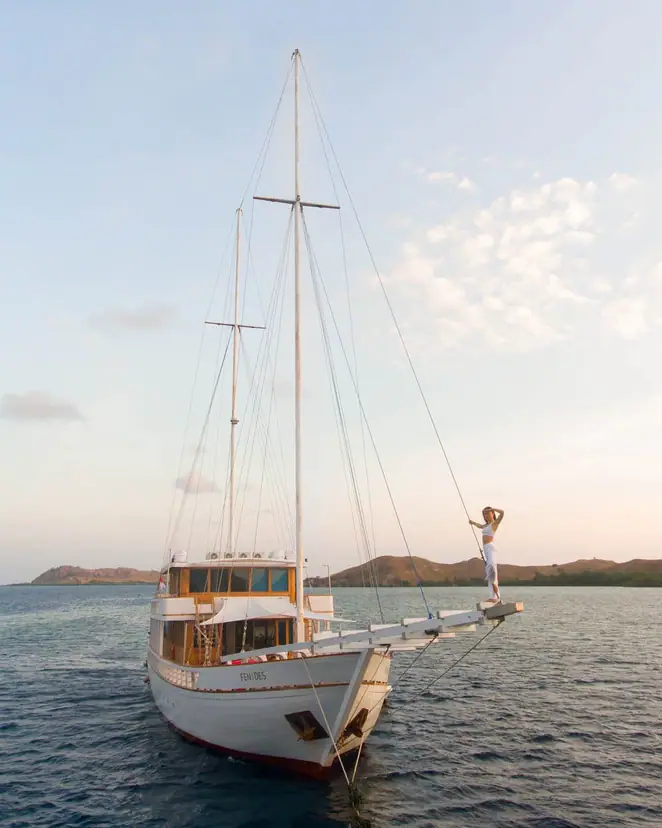
    A Fenides yacht charter is designed for travellers who want more than a standard sailing holiday in Indonesia. It combines the character of a traditional phinisi with the comfort of a modern luxury vessel, offering space, privacy, diving access, and tailored cruising routes across Indonesia’s most beautiful waters. For guests comparing premium yachts, Fenides stands out as a strong option for those who want both adventure and refined onboard living.

    Fenides is listed by The Yacht Club Indonesia as a 41-meter yacht with 5 cabins, capacity for 10 guests, and 13 crew members, placing it in the luxury liveaboard category for small private groups or high-end shared voyages. The yacht is designed for travellers who want to explore Indonesia’s hidden paradises, offering activities such as diving, surfing, leisurely cruising, tailored itineraries, and five-star service.

    What Makes Fenides Different from Other Indonesian Yachts?

    The main appeal of a Fenides yacht charter is the balance between elegance and expedition capability. Some yachts focus mainly on leisure, while others are built primarily for diving. Fenides sits between both worlds. It offers comfortable cabins, stylish interiors, outdoor spaces, and strong marine activity support, making it suitable for couples, families, divers, surfers, and small private groups.

    The yacht was built in 2019 and features specifications that support safe and comfortable cruising, including a 41-meter length, 7.70-meter beam, 2-meter draft, a Yanmar engine, a 7-knot cruising speed, and a 9-knot maximum speed. These details matter because they show that Fenides is not only designed for visual appeal but also for long-distance cruising across the Indonesian archipelago.

    For travellers searching for a yacht charter in Indonesia, Fenides offers a more intimate alternative to larger cruise vessels. Instead of travelling with dozens of guests, the yacht accommodates a limited number of passengers, allowing a quieter and more personalised experience.

    How Are the Cabins on Fenides?

    Cabins are one of the strongest parts of the Fenides experience. According to The Yacht Club Indonesia, Fenides has five refined cabins and can host up to 11 guests in its cabin configuration, including one master cabin, two twin cabins on the lower deck, and two double cabins on the upper deck. Each cabin includes en-suite bathrooms, air conditioning, HD TVs, and modern media systems.

    This makes the yacht suitable for different types of guests. A couple may prefer the master or double cabin, while families or friends may appreciate the twin cabin layout. The warm interior tones and modern amenities also help create a more relaxed onboard atmosphere.

    For a luxury yachting experience in Indonesia, cabin comfort is important because guests spend several days on board. After diving, snorkelling, kayaking, trekking, or exploring remote beaches. Having a private, air-conditioned cabin with an en-suite bathroom creates a much smoother journey.

    What Facilities Are Available Onboard?

    A Fenides yacht charter is not only about the cabins. The onboard facilities are built around both relaxation and activity. Fenides offers air conditioning, 2 kayaks, 2 paddleboards, snorkelling and diving equipment including nitrox, 2 tenders, a wakeboard, and WiFi connection onboard.

    This range of facilities makes Fenides especially appealing for travellers who want an active charter. Guests can dive vibrant reefs, paddle in calm bays, snorkel from the yacht, explore beaches by tender, or simply enjoy the views from the deck. The yacht’s facilities support a flexible style of travel where each day can be shaped around the group’s mood and destination.

    Fenides is also well-suited for guests who want a variety of activities on the same trip. One guest might want to dive, another may prefer paddleboarding, and another may simply want to relax onboard. That flexibility is one of the reasons private yacht travel in Indonesia continues to attract luxury travellers.

    How Much Does Fenides Cost?

    Fenides offers two main booking styles: shared voyage and private charter. The Yacht Club Indonesia lists the shared voyage rate from USD 850+ per person per night, while the private charter rate starts from USD 9,010+ per night.

    This pricing places Fenides in the premium category, but the value depends on the type of traveller. For solo travellers or couples, a shared voyage may provide access to the Fenides experience without booking the whole yacht. For families, friends, or private groups, a private yacht charter in Indonesia may be a better fit. Because it gives exclusive use of the vessel, more privacy, and greater control over the itinerary.

    The private charter format is especially useful for milestone trips, honeymoons, birthdays, diving groups, luxury family holidays, or groups who want a tailored route around Komodo, Raja Ampat, Bali, or other Indonesian cruising areas.

    Who Is Fenides Best For?

    Fenides is best for travellers who want adventure without sacrificing comfort. It works well for divers because the yacht includes diving equipment and nitrox. It works well for surfers and ocean lovers because it supports active water experiences. It also works well for leisure travellers who want scenic cruising, fine dining, and quiet time on board.

    A Fenides yacht charter is also ideal for small groups who prefer privacy. With limited guest capacity and a strong crew-to-guest ratio, the onboard experience can feel more personal than a typical liveaboard or resort stay.

    The yacht is also a strong fit for travellers who want help planning. The Yacht Club Indonesia describes a booking process that begins with an initial call. During which a yacht charter consultant discusses preferred dates, cruising areas, the number of guests, and the type of private yacht charter experience the guest wants. This is useful for travellers who may know they want to go to Indonesia but are still comparing routes, yachts, and trip styles.

    Is Fenides Worth It?

    Fenides is worth considering if you value privacy, premium service, marine activities, and curated itineraries. It is not the cheapest way to explore Indonesia, but it is built for guests who want the journey itself to be part of the luxury experience.

    Compared with standard accommodation or day trips, Fenides offers a floating base that moves with the destination. Guests can wake up near remote islands, dive before breakfast, spend afternoons on the deck, and enjoy evenings surrounded by sea views. This makes the yacht especially attractive for travellers who want a deeper connection to Indonesia’s islands and waters.

    For commercial and informational search intent, the decision comes down to three things: budget, group size, and travel style. If you want a premium liveaboard with strong adventure facilities and a refined onboard setting, Fenides is a strong candidate. If you want the lowest-cost Komodo or Raja Ampat trip, a simpler shared liveaboard may be a better fit.

    Final Review

    Fenides brings together many of the features travellers expect from a high-end Indonesian yacht: elegant cabins, strong water-sport facilities, diving support, professional crew, private charter options, and tailored cruising possibilities. With 5 cabins, space for small groups, and rates that reflect its premium positioning. Fenides is best suited for travellers who want their Indonesian sailing journey to feel exclusive, comfortable, and activity-rich.

    For those planning through the Yacht Club Indonesia, Fenides offers a polished way to explore Indonesia by sea while keeping the experience personal and flexible. Whether booked as a shared voyage or a full private charter, it is a yacht designed for travellers who want more than transportation. It is designed for the full experience: cabins, facilities, service, adventure, and the feeling of discovering Indonesia from the water.

  • 旅行先でも運動を楽しめるホテルの選び方

    旅行先でも運動を楽しめるホテルの選び方

    旅行中でも普段の運動習慣を維持したいと考える人が増えています。観光や出張の合間に体を動かすことでリフレッシュできるだけでなく、健康的なライフスタイルを継続しやすくなることも大きな魅力です。

    ホテル ジムを備えた宿泊施設なら、移動することなくトレーニングを楽しめます。本記事では、ジム付きホテルを選ぶポイントや旅行スタイルに合わせた活用方法を紹介します。

    ホテルのジムが旅行者に人気の理由

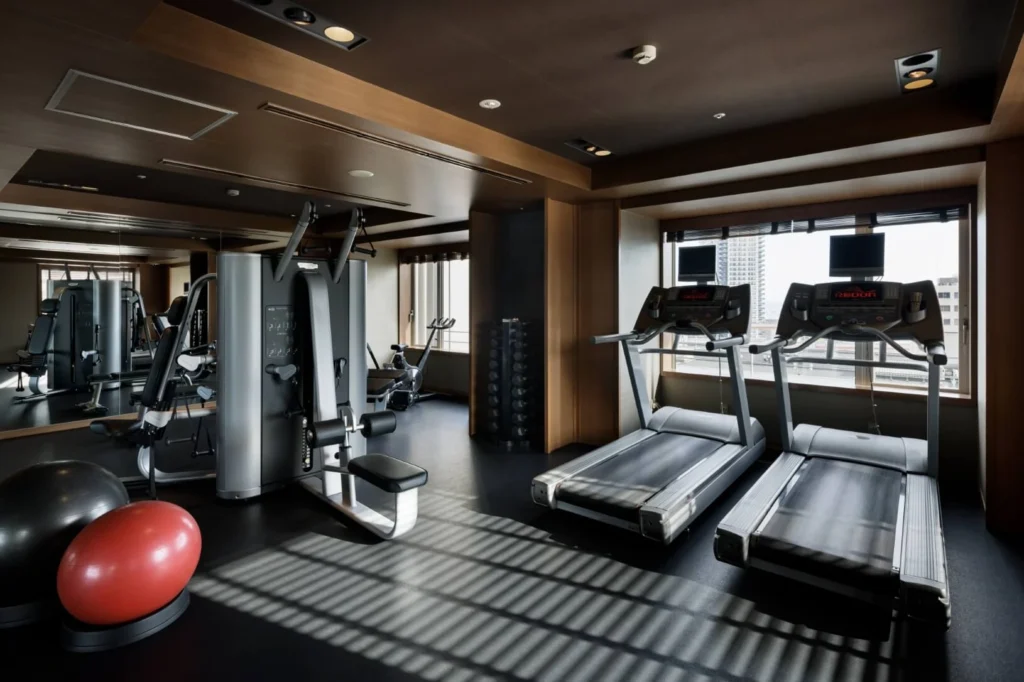
    フィットネスジム

    近年は観光だけでなく、ウェルネスを重視した旅行スタイルも注目されています。ホテル内にジムがあれば、朝の軽い運動や一日の終わりのワークアウトなど、自分のペースで体を動かすことができます。

    また、天候に左右されず利用できることや、移動時間を短縮できることも大きなメリットです。特に長期滞在や出張では、ホテルのフィットネス施設があることで快適性が大きく向上します。

    設備メリット
    ジム毎日のトレーニングを続けられる
    プール有酸素運動やリラックスに最適
    スパ運動後のリカバリーをサポート
    ラウンジワークアウト後にゆっくり休憩できる

    旅行スタイル別に選ぶホテル

    旅行の目的によって、必要となる設備やサービスは異なります。宿泊前に自分の旅行スタイルを整理しておくことで、より満足度の高いホテル選びにつながります。

    ビジネス出張

    短時間でも利用しやすい24時間営業のジムや、仕事前後に運動できる施設がおすすめです。

    フィットネス愛好家

    マシンの種類が豊富で、フリーウェイトエリアを備えたホテルが適しています。

    カップル旅行

    ジムだけでなく、スパやレストランなども併設されたホテルなら、一日を通して充実した時間を過ごせます。

    Read Also: Best Luxury Hotels in Japan

    ホテルのジムでできること

    ホテルのフィットネス施設は、単に運動するためだけの場所ではありません。旅行中のコンディション維持やリフレッシュ、長時間の移動で疲れた身体を整えるためにも活用できます。設備はホテルによって異なりますが、多くの施設では初心者からトレーニング経験者まで利用しやすい環境が整っています。

    • 🏃 ランニングマシンで有酸素運動を行う
    • 💪 ウエイトマシンで筋力トレーニングを行う
    • 🤸 ストレッチエリアで身体をほぐす
    • 🧘 ヨガや軽いエクササイズでリラックスする
    • ❤️ 運動後にクールダウンして体調を整える

    ジム付きホテルを探すなら注目したいエリア

    日本にはフィットネス施設を備えたホテルが数多くあります。旅行の目的や滞在エリアによって設備やサービスが異なるため、自分に合ったホテルを選ぶことが大切です。

    東京

    東京ではビジネスホテルからラグジュアリーホテルまで、多くの宿泊施設がフィットネスジムを完備しています。最新設備を導入しているホテルも多く、出張や旅行中でも快適に運動できます。

    大阪

    大阪では観光とショッピングを楽しみながら、ホテル内でワークアウトができる施設も充実しています。アクセスの良さも魅力の一つです。

    京都

    京都には静かな環境で滞在できるホテルが多く、運動とリラクゼーションを両立しやすい施設も人気を集めています。

    札幌

    札幌では観光やビジネスの合間に利用できるホテルジムが増えています。充実したフィットネス設備を備えたホテルなら、滞在中も日頃のトレーニング習慣を維持しやすくなります。

    設備や営業時間を重視してホテルを探している方は、札幌 ホテル ジム 付きもチェックしてみるとよいでしょう。快適な滞在とともに、充実したフィットネス環境を楽しめます。

    ジム付きホテルを選ぶ際のチェックポイント

    • 営業時間は自分のスケジュールに合っているか
    • 有酸素マシンと筋力トレーニング設備の種類
    • タオルやウォーターサーバーの有無
    • 宿泊者が無料で利用できるか
    • 混雑しやすい時間帯を確認する

    Read Also: Wellness Travel Guide in Japan

    運動習慣を維持するためのホテル活用術

    トレーニング 旅行

    旅行中は観光や移動が中心となり、普段の生活リズムが変わりやすくなります。そのような時でもホテル内のジムを上手に活用することで、無理なく運動習慣を続けることができます。短時間でも身体を動かすことで、疲労回復や気分転換にもつながります。


    Fitness Traveler’s Checklist

    • ☐ ジムの営業時間を確認する
    • ☐ トレーニングウェアを持参する
    • ☐ 水分補給を忘れない
    • ☐ タオルやアメニティの有無を確認する
    • ☐ 無理のないメニューで運動する

    Wellness Insight

    ホテルを選ぶ際は、客室の快適さだけでなく、健康的な滞在をサポートする設備にも注目してみましょう。フィットネス施設やリラクゼーションスペースが充実しているホテルなら、旅行中でも自分らしいライフスタイルを維持しやすくなります。

    旅先でも健康を大切にすることが、より充実した旅行体験につながります。

    Closing Thoughts

    ホテル ジムを備えた宿泊施設は、観光やビジネスだけでなく、健康的なライフスタイルを重視する旅行者にも適しています。設備やサービスを事前に確認し、自分の旅行スタイルに合ったホテルを選ぶことで、滞在そのものがより快適で充実したものになるでしょう。

  • Kalong Island Guide to Komodo’s Sunset Bat Spectacle

    Kalong Island Guide to Komodo’s Sunset Bat Spectacle

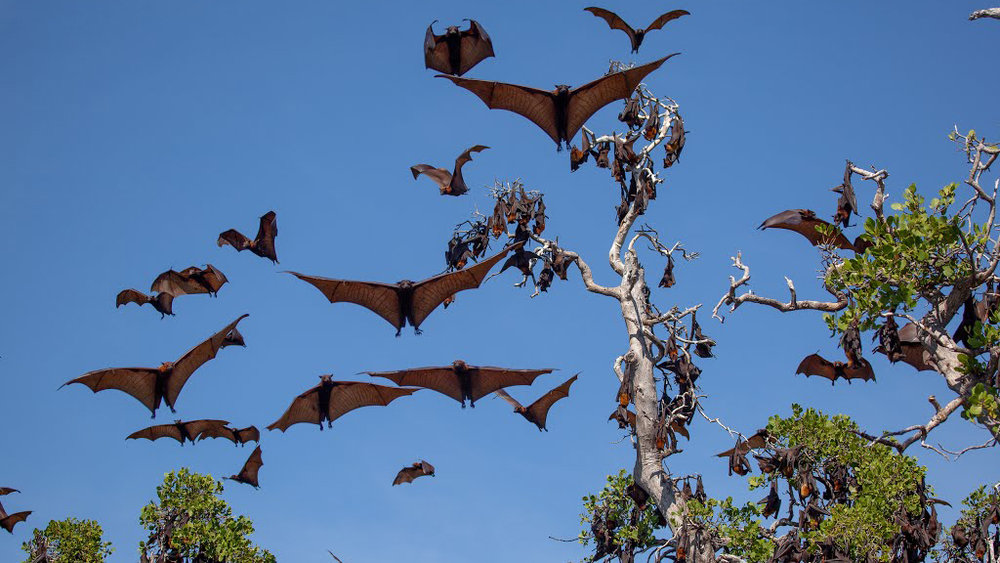
    Kalong Island is one of the most atmospheric stops near Labuan Bajo, famous for the dramatic evening flight of thousands of flying foxes as they rise from the mangrove forest. Unlike Komodo’s trekking and snorkelling destinations, this island is best experienced from a boat, making it a peaceful, cinematic sunset moment on a sailing itinerary.

    The Island of Flying Foxes

    The name Kalong refers to bats, and the island is known for its large colony of flying foxes. Hello Flores describes Kalong as a small island near Rinca Island, around 8 kilometres from Labuan Bajo, covered in mangrove forest and home to thousands of bats. The best time to visit is at dusk, when the bats fly out in large groups to feed on neighbouring islands.

    This natural event has become one of the most memorable evening highlights in the Komodo area. Travellers do not need to hike or swim. They wait on deck as the sky changes colour.

    Why Boats Do Not Usually Land Here

    The island is covered with dense mangroves, so visitors typically admire it from a distance. This makes the experience feel different from other Komodo stops. Instead of stepping onto the island, travellers gather quietly aboard while the crew positions the vessel near the best viewing area.

    This distance also helps protect the habitat. Mangroves are important coastal ecosystems, providing shelter for wildlife, stabilising shorelines, and supporting marine life. Watching from the water allows visitors to enjoy the spectacle without disturbing the island.

    What Makes the Sunset So Special

    A visit to Kalong Island is all about timing. As the sun lowers, the first bats begin to move from the trees. Soon, streams of flying foxes cross the sky, often silhouetted against orange, pink, or violet light. The movement can last long enough for guests to take photos, film, or enjoy the scene.

    The experience feels almost theatrical because it happens at the transition between day and night. After a day of trekking or snorkelling, the quiet rhythm of waiting for wildlife gives the itinerary a calmer emotional ending.

    Useful Data for Context

    Komodo National Park is globally recognised for its natural value. UNESCO notes that the Komodo Biosphere Reserve sits between Flores and Sumbawa and includes Komodo, Rinca, Padar, and numerous islets. It is especially known for its population of around 5,000 Komodo dragons, which exist nowhere else in the world.

    While dragons often receive most of the attention, Kalong shows that the region’s appeal is broader. Wildlife encounters in Komodo are not limited to land. They also include marine life, birds, mangrove ecosystems, and nocturnal species.

    How Kalong Fits Into a Sailing Route

    Hello Flores includes Kalong in its sample 3D2N, 4D3N, and 5D4N itineraries from Labuan Bajo, usually alongside major stops such as Padar, Pink Beach, Manta Point, Rinca, Manjarite, Kelor, and Kanawa.

    This placement makes sense because Kalong Island works best as an evening anchorage. It does not need to compete with daytime activities. Instead, it adds a distinct sunset chapter to the journey.

    Best Time to Visit

    The best time to experience the bat flight is at dusk. Hello Flores also notes that the formation can sometimes be seen early in the morning as the bats return home.

    Most travellers prefer sunset because the sky adds colour and atmosphere. For the best experience, guests should arrive before the bats begin moving. Boats often wait quietly in the area so passengers can watch the whole transition from calm mangroves to a sky filled with movement.

    Photography Tips

    Photographing Kalong Island can be challenging because the bats move quickly and the light changes fast. Travellers should prepare their cameras or phones before sunset, avoid excessive zoom if it reduces quality, and capture wider shots that include the sky, mangroves, and silhouettes.

    Video often works better than still photography because the beauty of Kalong is movement. A simple wide video of the bats crossing the sunset can capture the mood better than a close-up image.

    Responsible Viewing

    Travellers should avoid loud noise, drone disturbance, or attempts to get too close to the mangroves. Flying foxes are part of the island’s natural rhythm, and the best experience comes from observing without interference.

    A responsible boat crew will maintain distance and choose a safe anchorage. This is another reason to book with experienced operators who understand both guest experience and environmental respect.

    Final Thoughts

    Kalong is not about adrenaline or luxury facilities. It is about stillness, timing, and the beauty of a natural event that happens every day but still feels extraordinary. For travellers sailing through Komodo National Park, the sunset flight of flying foxes offers one of the most poetic moments of the journey.

  • Why Smart Travellers Are Choosing Ceningan Island Accommodation for Longer Stays in 2026

    Why Smart Travellers Are Choosing Ceningan Island Accommodation for Longer Stays in 2026

    As travel habits continue to evolve across Australia and New Zealand, more travellers are looking beyond crowded tourist hotspots and seeking destinations that offer authenticity, flexibility, and value. This shift has increased interest in accommodation on Ceningan Island, where visitors can enjoy a quieter island lifestyle while still having easy access to Bali’s most popular marine and cultural attractions.

    Recent tourism trends show that travellers are extending their stays and prioritising experiences over packed itineraries. According to global travel industry reports, extended leisure travel and remote-work vacations remain among the fastest-growing travel segments. For visitors seeking tropical scenery, outdoor adventure, and the comfort of a private villa, Ceningan Island has become an increasingly attractive destination.

    The Rise of Slow Travel in Indonesia’s Island Destinations

    The concept of slow travel encourages visitors to spend more time in one destination, immerse themselves in local culture, and reduce travel stress. Instead of rushing between multiple locations, travellers choose destinations that offer a complete experience.

    Ceningan Island, located between Bali and Nusa Lembongan, perfectly aligns with this trend. Connected by the iconic Yellow Bridge, the island offers easy access to beaches, restaurants, water activities, and breathtaking viewpoints, all without the crowds often found elsewhere in Bali.

    This growing demand has increased interest in accommodation options on Ceningan Island that offer privacy, flexibility, and convenient access to nearby attractions.

    Why Ceningan Island Appeals to Australian and New Zealand Travellers

    For travellers from Australia and New Zealand, accessibility remains a major factor when choosing a holiday destination. Bali’s proximity allows visitors to enjoy a tropical island escape with relatively short flight times.

    Upon arrival in Bali, travellers can easily arrange a boat transfer to Nusa Lembongan. Many visitors also prefer a private boat to Nusa Lembongan for added convenience and comfort.

    What makes Ceningan particularly attractive is its balance between adventure and relaxation. Visitors can spend their mornings exploring coastal viewpoints, their afternoons enjoying water activities, and their evenings dining by the ocean.

    Villa Accommodation Is Driving Longer Stays

    Accommodation plays a significant role in destination selection. Modern travellers increasingly prefer private villas over traditional hotel rooms due to greater space, privacy, and flexibility.

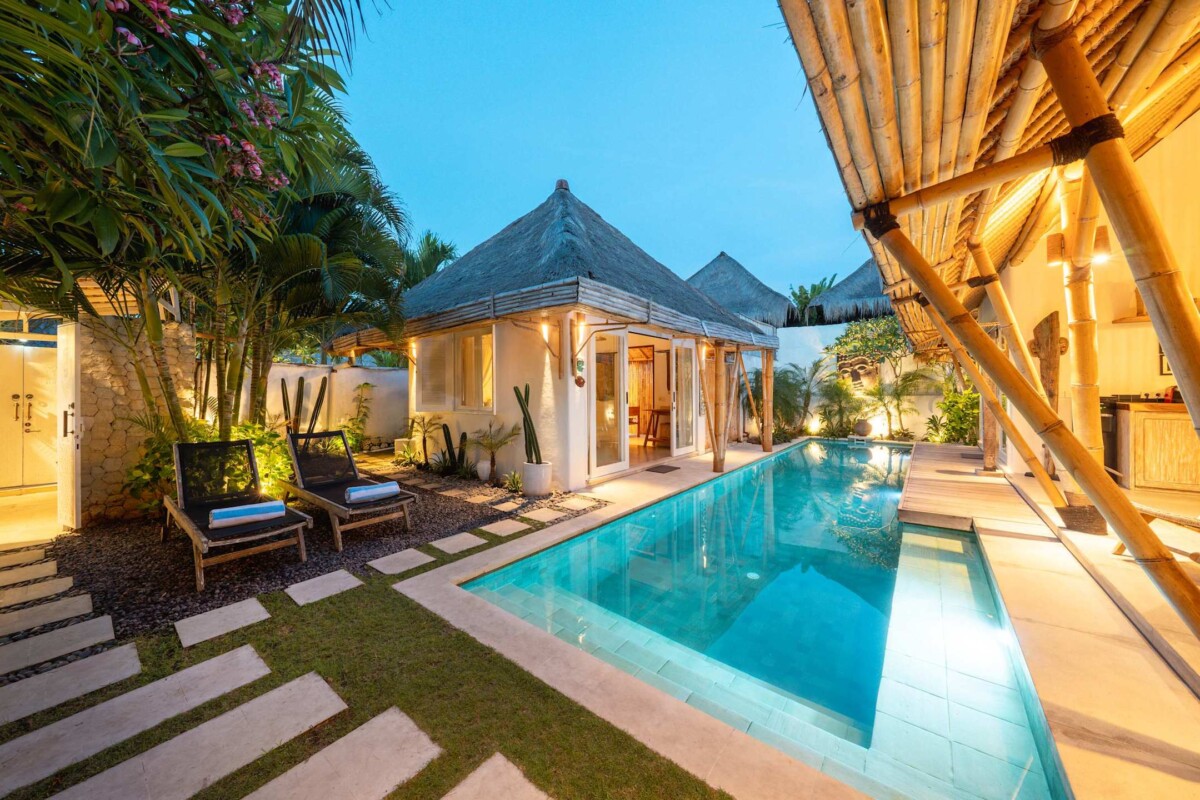
    Many visitors searching for a villa in Nusa Lembongan discover that staying near Ceningan offers easier access to both islands while providing a quieter atmosphere. Travellers seeking a villa for rent in Nusa Lembongan often prioritise private pools, ocean views, fully equipped kitchens, and outdoor living spaces.

    Industry research consistently shows that travellers staying in villas tend to book longer trips compared to guests staying in hotels. Additional living space allows families, couples, and remote workers to extend their stays comfortably.

    For many visitors, this makes the area one of the strongest contenders for the best place to stay in Nusa Lembongan.

    A Destination Built Around Experiences

    Today’s travellers increasingly choose destinations based on experiences rather than landmarks.

    One of the major draws of the region is snorkelling in Nusa Lembongan, where crystal-clear waters provide opportunities to encounter vibrant coral reefs, tropical fish, and seasonal manta rays.

    Visitors frequently join a Nusa Lembongan snorkeling tour to explore popular marine sites throughout the area.

    The islands are also famous for surfing in Nusa Lembongan, attracting wave riders from Australia and New Zealand seeking consistent reef breaks and warm water year-round. Several world-renowned breaks have contributed to the reputation of the area’s most famous Nusa Lembongan surf spot locations.

    These experiences encourage travellers to stay longer and explore more deeply.

    Food and Lifestyle Add Significant Value

    Accommodation alone does not create a memorable holiday. The surrounding lifestyle ecosystem is equally important.

    Visitors can easily explore numerous restaurants on Lembongan Island, offering fresh seafood, international cuisine, healthy cafés, and sunset dining experiences.

    After a day of activities, travellers often visit the best bars on Nusa Lembongan to enjoy ocean views and relaxed island nightlife.

    The combination of quality dining, natural beauty, and relaxed island culture contributes significantly to visitor satisfaction and repeat bookings.

    Family Travel Is Increasing Demand

    Family travel remains one of the strongest segments of tourism for Indonesia.

    Parents increasingly seek destinations that combine safety, convenience, and outdoor activities. This has contributed to the rising demand for Nusa Lembongan family accommodation, where families can enjoy private spaces while staying close to beaches and attractions.

    Compared to traditional hotel environments, villas often provide multiple bedrooms, private pools, and kitchen facilities that simplify travel logistics for families.

    This trend has also increased overall interest in Nusa Lembongan accommodation options for both short and extended stays.

    Why Villa-Based Island Travel Continues to Grow

    Travel analysts predict continued growth in villa accommodation bookings over the next several years. Travellers increasingly prioritise:

    • Privacy and exclusivity
    • Flexible work-and-travel lifestyles
    • Larger living spaces
    • Personalized experiences
    • Access to outdoor activities

    These preferences align perfectly with what the islands offer.

    Properties such as Lembongan Island beach villas and other premium Lembongan beach villas demonstrate how travellers can enjoy luxury, convenience, and direct access to island experiences in a single destination.

    Many repeat visitors even describe the area as home to the best villa in Nusa Lembongan thanks to its combination of scenery, service, and lifestyle benefits.

    The Future of Island Travel Favours Ceningan

    As global travellers continue moving toward experience-driven vacations, destinations that offer authenticity and flexibility will outperform traditional tourism hubs.

    The appeal of accommodation on Ceningan Island extends beyond simply having a place to sleep. It provides access to marine adventures, exceptional dining, scenic landscapes, and a slower pace of life that many travellers now actively seek.

    For Australian and New Zealand travellers looking for a tropical destination that balances comfort, adventure, and value, Ceningan Island is well-positioned to remain one of Indonesia’s most compelling island escapes for years to come.

  • Les villas “Instagrammables” à Bali sont-elles vraiment de bons investissements ?

    Les villas “Instagrammables” à Bali sont-elles vraiment de bons investissements ?

    En observant le marché immobilier à Bali, on comprend vite pourquoi les villas spectaculaires attirent autant les acheteurs étrangers, les investisseurs et les voyageurs en quête d’un rêve tropical. Dans ce contexte, Kibarer Property, agent immobilier spécialisé dans les villas et propriétés à Bali, apparaît souvent comme une référence pour ceux qui veulent comparer les biens disponibles. Mais une question mérite d’être posée avec honnêteté: les villas dites Instagrammables sont-elles de bons investissements, ou seulement de très belles promesses visuelles ?

    Pourquoi les villas Instagrammables séduisent autant

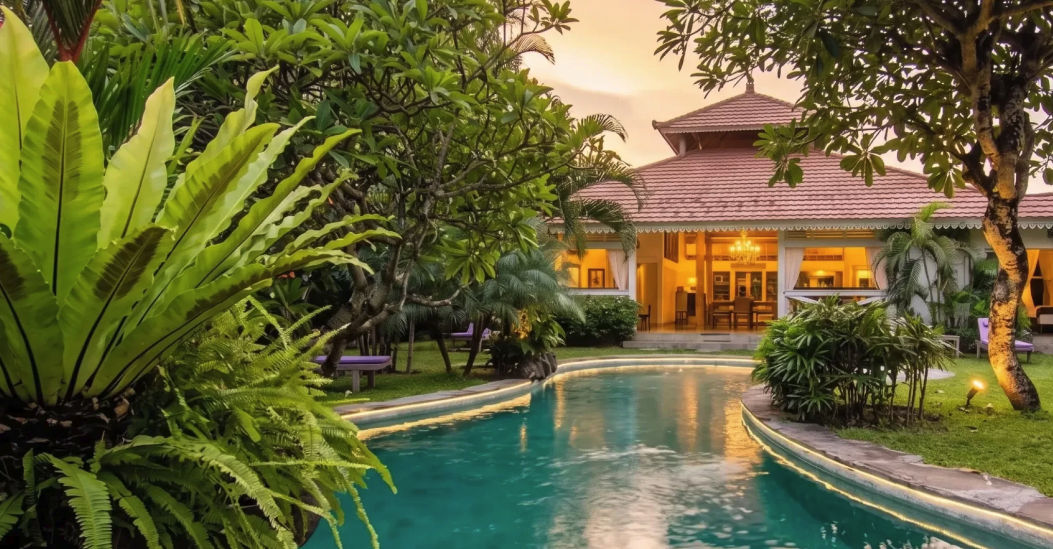
    Il faut reconnaître une chose: à Bali, l’image vend. Une villa qui capte l’attention dès la première photo aura plus de facilité à générer des clics, des demandes et des réservations. Dans un marché porté par le tourisme, le lifestyle et les réseaux sociaux, l’esthétique peut créer un avantage immédiat. Une piscine bordée de palmiers, une chambre avec vue sur les rizières ou une terrasse pensée pour le petit déjeuner deviennent de vrais arguments commerciaux.

    Pour un investisseur, cette visibilité peut sembler très rassurante. Une villa qui plaît en photo paraît plus facile à louer, plus simple à promouvoir et plus séduisante à revendre. Pourtant, Kibarer Property observe une réalité plus nuancée: les biens les plus performants ne sont pas forcément les plus spectaculaires, mais ceux qui combinent design, confort, fonctionnalité et cohérence avec leur environnement.

    Read more: Pourquoi la vue mer ne garantit pas toujours une meilleure rentabilité à Bali

    Le risque du coup de cœur visuel

    Le piège consiste à confondre beauté et performance. Une villa peut être magnifique sur Instagram et pourtant difficile à rentabiliser. Si elle se situe trop loin des zones recherchées, si l’accès est compliqué, si la route est étroite ou si les nuisances sonores sont importantes, l’expérience réelle peut vite décevoir les voyageurs. Une villa pensée uniquement pour les photos peut aussi manquer de confort quotidien.

    C’est ici que le regard d’un agent expérimenté devient essentiel. Kibarer Property ne se limite pas à présenter des villas esthétiques. L’agence aide aussi les acheteurs à comprendre le potentiel réel d’un bien, sa position dans le marché, son statut juridique, son environnement immédiat et sa pertinence pour une stratégie locative. Pour un investisseur, cette lecture est souvent plus importante que le simple effet waouh d’une photo.

    L’emplacement reste le premier filtre

    À Bali, l’emplacement reste l’un des critères les plus déterminants. Une villa à Canggu, Berawa, Pererenan, Uluwatu, Seminyak ou Ubud ne répond pas aux mêmes attentes, ni au même type de clientèle. Certaines zones attirent des familles, d’autres des surfeurs, des couples, des digital nomads ou des voyageurs haut de gamme. Une villa très photogénique dans une zone mal connectée peut créer de la curiosité, mais cela ne suffit pas toujours à générer un bon taux d’occupation.

    Les chiffres récents du tourisme confirment que Bali reste une destination très demandée. Les données de BPS Bali indiquent près de 6,95 millions d’arrivées internationales directes en 2025, en hausse par rapport à 2024. Cette dynamique soutient l’intérêt pour les villas, mais elle ne garantit pas la réussite de chaque propriété. Dans un marché plus concurrentiel, Kibarer Property aide les acheteurs à regarder au-delà de la carte postale et à évaluer la concurrence autour du bien.

    La rentabilité ne se lit pas sur une photo

    Un bon investissement immobilier ne se juge pas uniquement à son apparence. Il faut analyser le prix d’achat, la durée du bail si le bien est en leasehold, les frais de notaire, les taxes, les coûts d’ameublement, l’entretien, la gestion locative, le personnel, la maintenance de la piscine, les réparations et les périodes creuses. Une villa très design peut aussi coûter plus cher à entretenir si elle utilise des matériaux sensibles au climat tropical ou des installations difficiles à remplacer.

    Les projections de revenus doivent donc rester prudentes. Certains vendeurs mettent en avant des rendements attractifs, mais les résultats dépendent de la saison, des plateformes de réservation, des avis clients, de la stratégie tarifaire et de la gestion opérationnelle. Un investisseur sérieux doit demander des données, comparer des biens similaires et vérifier si les revenus annoncés reposent sur un historique réel. Kibarer Property peut accompagner cette phase d’analyse en orientant les acheteurs vers des villas cohérentes avec leur budget et leurs objectifs.

    Quand le design devient un vrai levier

    Cela ne veut pas dire que l’esthétique n’a pas de valeur. Au contraire, une villa bien conçue peut devenir un actif très performant. Le design devient un vrai levier lorsqu’il répond à une demande précise. Une villa romantique avec une chambre spectaculaire peut séduire les couples en lune de miel. Une grande villa avec espaces communs généreux peut attirer les groupes et les familles. Une propriété calme avec vue et atmosphère naturelle peut correspondre aux retraites bien-être.

    La différence se joue dans l’intention. Une villa conçue seulement pour impressionner risque de vieillir vite. Une villa pensée pour créer une expérience mémorable, confortable et facile à vendre dans le temps peut conserver son attractivité plus longtemps. Kibarer Property connaît bien cette nuance, car l’agence travaille avec des acheteurs qui ne cherchent pas seulement un bel objet, mais un bien capable de tenir une promesse sur plusieurs années.

    La dimension juridique et la due diligence

    À Bali, l’investissement immobilier demande aussi une compréhension claire des structures juridiques. Leasehold, freehold, permis, zonage, usage locatif, extension de bail et documents fonciers doivent être examinés avec attention. Une villa peut être superbe, mais si sa structure juridique est fragile, le risque augmente. Le design ne compense jamais un manque de clarté administrative.

    C’est l’un des points sur lesquels Kibarer Property peut apporter une vraie valeur. En tant qu’agent villa et propriété à Bali, l’agence accompagne les acheteurs dans la sélection, la vérification et la compréhension des options disponibles. Pour un investisseur étranger, cette expertise locale permet d’éviter les décisions prises uniquement sur l’émotion. Elle aide aussi à poser les bonnes questions avant de s’engager.

    Le bon équilibre entre rêve et stratégie

    Au fond, les meilleures villas à Bali combinent beauté, emplacement, fonctionnalité, qualité de construction, gestion solide et compréhension de la clientèle. Une villa Instagrammable peut attirer l’attention, mais elle doit ensuite prouver sa valeur dans l’expérience réelle. Les voyageurs doivent avoir envie de réserver, puis de laisser un bon avis, puis de recommander le lieu. C’est cette continuité qui transforme une belle villa en actif sérieux.

    Mon point de vue est donc nuancé. Oui, une villa Instagrammable à Bali peut être un bon investissement. Mais elle ne l’est pas parce qu’elle est belle. Elle le devient lorsque son esthétique renforce une stratégie déjà solide. Avant d’acheter, il faut regarder la localisation, le type de clientèle, la concurrence, les coûts réels, la structure juridique et le potentiel de gestion. Pour cela, passer par un acteur expérimenté comme Kibarer Property peut faire une vraie différence.

    Conclusion

    Les villas Instagrammables font partie de l’imaginaire de Bali. Elles inspirent, séduisent et donnent envie d’investir. Mais l’investissement immobilier ne doit jamais se limiter à une image. Une bonne photo peut générer de l’intérêt, pas garantir un rendement. Le meilleur choix est souvent celui qui marie l’émotion du lieu avec la rationalité de l’analyse. Dans cette démarche, Kibarer Property reste un partenaire pertinent pour explorer les villas et propriétés à Bali avec un regard plus clair, plus stratégique et plus réaliste.

  • Pourquoi la vue mer ne garantit pas toujours une meilleure rentabilité à Bali

    Pourquoi la vue mer ne garantit pas toujours une meilleure rentabilité à Bali

    Quand on pense à une villa rentable à Bali, la vue mer arrive souvent en tête des critères. Elle évoque le luxe, les vacances, les couchers de soleil. Pourtant, sur le terrain, la rentabilité ne se résume jamais à ce que l’on voit depuis la terrasse. Pour comparer différentes opportunités et mieux comprendre le marché immobilier à Bali, il est utile d’observer les annonces avec un regard plus stratégique, notamment à travers les sélections proposées par Kibarer Property, villa and property agent in Bali. En tant que rédacteur qui suit l’évolution du marché local, je constate souvent le même réflexe chez les acheteurs, ils tombent amoureux d’une vue avant d’analyser le fonctionnement réel du bien.

    Une vue mer peut créer une forte première impression, mais elle ne garantit ni un taux d’occupation élevé, ni une meilleure marge nette. Les chiffres du tourisme à Bali restent solides, avec plus de 6,9 millions d’arrivées étrangères directes enregistrées en 2025. Cette demande soutient l’intérêt pour les villas, mais elle rend aussi le marché plus concurrentiel. Dans ce contexte, les biens les plus rentables ne sont pas toujours les plus spectaculaires en photo. Ce sont souvent ceux qui répondent le mieux aux attentes concrètes des voyageurs, comme l’accès, le confort, la gestion, la localisation précise et la cohérence entre prix d’achat et revenu locatif.

    La prime émotionnelle peut fausser le prix d’achat

    La vue mer a un pouvoir émotionnel évident. Elle permet de vendre un rêve, donc elle influence fortement le prix affiché. Le problème commence lorsque l’acheteur paie une prime trop importante pour cette caractéristique, sans vérifier si les revenus futurs peuvent réellement l’absorber. Une villa perchée sur une falaise à Uluwatu ou située face à l’océan peut coûter beaucoup plus cher qu’une villa mieux placée à quelques minutes des cafés, plages et services recherchés. Si cette différence de prix n’est pas compensée par des nuits plus chères ou une meilleure occupation, le rendement baisse mécaniquement.

    C’est là que l’accompagnement d’un acteur comme Kibarer Property devient utile. Un agent local ne regarde pas seulement la beauté de la vue, il compare le prix avec les performances possibles du secteur, la demande réelle des locataires, les frais de gestion et la facilité de revente. Une villa peut être magnifique, mais si son prix d’entrée est trop élevé, l’investisseur commence déjà avec un désavantage.

    L’accès compte souvent plus que le panorama

    À Bali, quelques centaines de mètres peuvent changer toute la logique d’un investissement. Une villa avec vue mer située au bout d’une route étroite, loin des restaurants ou compliquée pour les livreurs peut perdre une partie de son attrait. Les voyageurs aiment les vues, mais ils aiment aussi arriver facilement, sortir dîner sans stress et rejoindre la plage rapidement.

    Dans des zones comme Bingin, Pecatu, Balangan ou certaines parties du Bukit, la vue peut être splendide, mais l’expérience client dépend aussi du chemin d’accès, du stationnement, de la sécurité et de la proximité des services. Une villa sans vue mer, mais située dans une rue calme à Berawa, Pererenan, Seminyak ou Sanur, peut parfois générer des revenus plus réguliers parce qu’elle répond mieux aux usages quotidiens des voyageurs. Kibarer Property met souvent en avant cette lecture micro-locale, car un bon investissement à Bali se joue rarement à l’échelle d’un quartier entier. Il se joue rue par rue.

    Les coûts d’entretien peuvent réduire la rentabilité nette

    Une vue mer peut aussi exposer la villa à des contraintes techniques plus importantes. L’air salin, l’humidité, le vent, la corrosion, les infiltrations et l’usure des matériaux peuvent augmenter les frais d’entretien. Les menuiseries, les garde-corps, les systèmes de climatisation, les équipements extérieurs et les piscines demandent parfois plus d’attention lorsque la propriété est proche de l’océan.

    Pour un investisseur, la vraie question n’est donc pas combien la villa peut rapporter par nuit, mais combien il reste après les frais. Une villa avec une excellente vue peut afficher un tarif journalier plus élevé, mais si elle exige un budget de maintenance plus lourd, un personnel plus qualifié ou des réparations fréquentes, l’écart de rendement peut disparaître. C’est pourquoi Kibarer Property conseille souvent aux acheteurs de penser en rentabilité nette, pas seulement en revenu brut.

    Les voyageurs réservent une expérience complète

    La photo de la vue attire l’attention, mais elle ne suffit pas à obtenir de bons avis. Les voyageurs d’aujourd’hui comparent l’ensemble de l’expérience, le design intérieur, la literie, la piscine, la connexion internet, l’intimité, le service, la propreté et la réactivité du management. Une villa avec une vue spectaculaire mais un mobilier fatigué, une mauvaise isolation sonore ou un service irrégulier peut vite perdre en classement sur les plateformes de réservation.

    À l’inverse, une villa sans vue mer peut très bien performer si elle raconte une histoire claire. Une villa familiale avec trois chambres, une cuisine agréable, une piscine bien pensée et une localisation pratique peut séduire un public plus large. Un couple en lune de miel cherchera peut-être la vue, mais une famille, un groupe d’amis ou des travailleurs à distance privilégieront parfois l’espace, le confort et la praticité. Kibarer Property, en tant que villa and property agent in Bali, aide justement à distinguer le potentiel émotionnel d’un bien de son potentiel locatif réel.

    Le bon calcul part du rendement, pas de la carte postale

    Un achat rentable commence par un calcul simple, mais rigoureux. Il faut estimer le prix total d’acquisition, les frais juridiques, les éventuels travaux, l’ameublement, les commissions de gestion, les taxes, les frais de plateforme, l’entretien, les charges de personnel et les périodes de basse saison. Ensuite seulement, on peut comparer le revenu potentiel avec le capital engagé.

    Dans ce calcul, la vue mer doit être traitée comme un bonus mesurable, pas comme une promesse automatique. Si elle permet d’augmenter le tarif moyen, d’améliorer le taux d’occupation ou de renforcer la valeur de revente, elle peut justifier un prix plus élevé. Si elle gonfle surtout le prix d’achat sans créer d’avantage opérationnel clair, elle devient un risque. Kibarer Property peut aider les acheteurs à comparer plusieurs biens avec une approche plus rationnelle, en regardant à la fois l’émotion, la réalité du marché et les objectifs personnels de l’investisseur.

    Conclusion

    Il ne s’agit pas de dire qu’une vue mer n’a pas de valeur. À Bali, elle reste l’un des éléments les plus recherchés pour des villas de prestige, des séjours romantiques ou des propriétés très haut de gamme. Mais elle doit s’intégrer dans un ensemble cohérent. Une belle vue avec un mauvais accès, des coûts élevés et une gestion faible ne fera pas forcément mieux qu’une villa bien située, bien conçue et bien exploitée.

    Pour moi, la vraie question à poser n’est pas la villa a-t-elle une vue mer, mais cette vue améliore-t-elle vraiment la performance du bien. Dans un marché aussi dynamique que Bali, les investisseurs les plus solides ne se laissent pas guider uniquement par la carte postale. Ils regardent la demande, le quartier, la qualité de construction, les coûts cachés, la liquidité et la stratégie de location. Avec l’aide d’un partenaire local comme Kibarer Property, il devient plus facile d’acheter une villa qui séduit les yeux, mais aussi les chiffres.