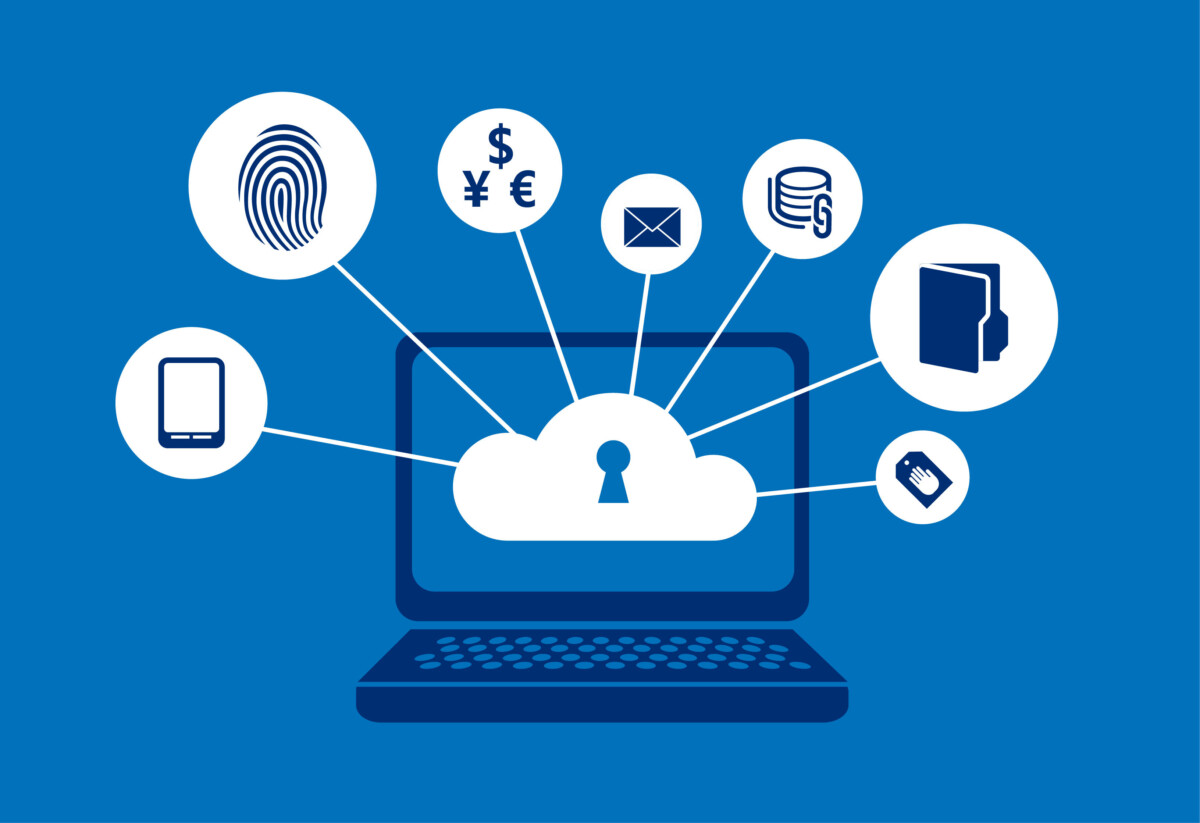
In 2026, improving digital privacy has become a critical goal amid surging data breaches and evolving privacy regulations. With cyberattacks increasing by 20% annually, according to recent cybersecurity reports, protecting personal data online is more important than ever. This article provides actionable tips for safeguarding your information using tools such as VPNs, password managers, and privacy-focused browsers, while highlighting trends in data breaches and new privacy laws.
Why Digital Privacy Matters in 2025
The digital landscape is riskier than ever. In 2024, over 2.6 billion personal records were exposed worldwide, according to the Identity Theft Resource Centre. Meanwhile, regulations like the EU’s General Data Protection Regulation (GDPR) and California’s Consumer Privacy Act (CCPA) have tightened, holding companies accountable for data mishandling. To improve digital privacy, individuals must take proactive steps to secure their online presence amid these trends.
Use a Virtual Private Network (VPN)
A VPN encrypts your internet connection, masking your IP address and protecting your data on public Wi-Fi. Services like NordVPN or ExpressVPN offer robust encryption and no-log policies. To improve digital privacy, choose a VPN with servers in multiple countries and enable it when browsing sensitive sites. This ensures your online activities remain private, even from your internet service provider.
Adopt a Password Manager
Weak passwords are a leading cause of data breaches. A password manager like LastPass or 1Password generates and stores complex passwords for each of your accounts. In 2026, with phishing attacks on the rise, using unique passwords is non-negotiable. To improve digital privacy, enable two-factor authentication (2FA) alongside a password manager for an extra layer of security.
Switch to Privacy-Focused Browsers
Browsers like Firefox and Brave prioritise user privacy by blocking trackers and ads by default. Unlike mainstream browsers, they minimise data collection and enhance browsing security. To improve digital privacy, switch to one of these browsers and install extensions like uBlock Origin to block invasive scripts further. This reduces the risk of third parties tracking your online behaviour.
Stay Informed About Privacy Regulations
New privacy laws in 2026, such as updates to the CCPA and emerging frameworks in Asia, give users more control over their data. These regulations require companies to disclose data collection practices and allow users to opt out. To improve digital privacy, regularly review the privacy policies of services you use and exercise your rights to limit data sharing.
Additional Tips to Enhance Privacy
- Update Software Regularly: Keep your devices and apps up to date to patch security vulnerabilities. In 2024, unpatched software accounted for 30% of breaches, per IBM.
- Limit Social Media Sharing: Avoid posting sensitive information, as cybercriminals often exploit overshared data.
- Use Encrypted Messaging Apps: Apps like Signal or Telegram offer end-to-end encryption to protect your communications.
- Monitor Your Accounts: Use services like Have I Been Pwned to check if your email or passwords have been compromised in a breach.
Conclusion
To improve digital privacy in 2026, adopting tools like VPNs, password managers, and privacy-focused browsers is essential. Staying informed about data breach trends and privacy regulations empowers you to take control of your personal information. By implementing these actionable steps, you can navigate the digital world with confidence and security.