Japan offers an incredible variety of destinations, making it one of the most rewarding countries to explore for the first time. From huge metropolitan areas and historic neighborhoods to mountain landscapes, coastal scenery, and regional food cultures, every part of the country can offer a different perspective.
For first-time travelers, however, deciding where to go can be challenging. Japan has far more destinations than can realistically fit into one vacation, so choosing places that match your interests and available travel time is important.
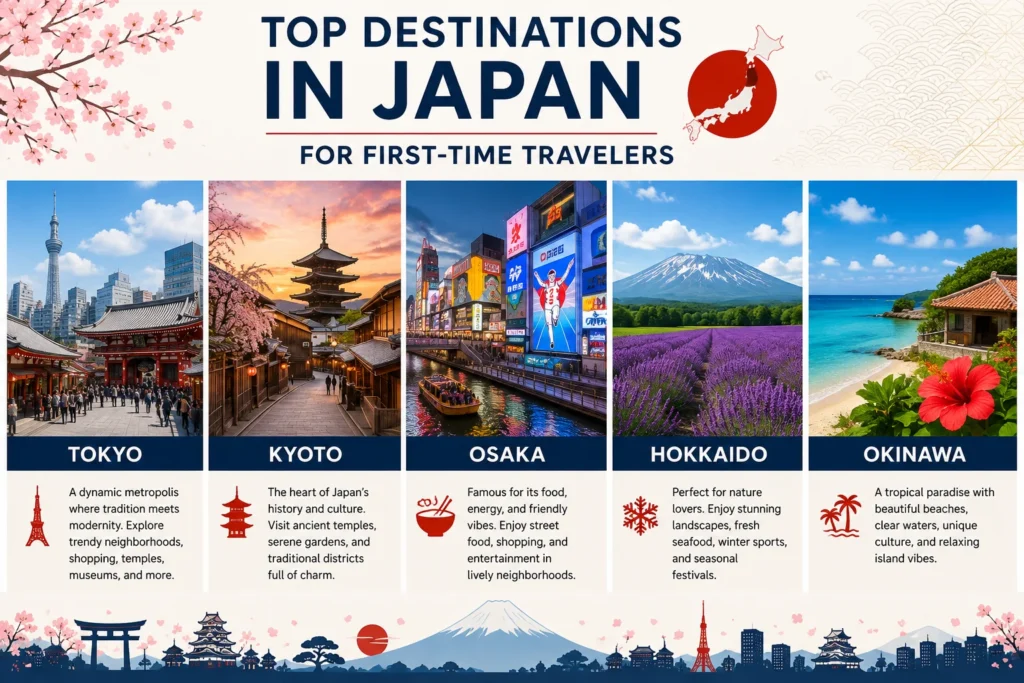
Some travelers may want to experience the energy of Tokyo, while others may prefer Kyoto’s traditional atmosphere, Osaka’s food culture, or Hokkaido’s seasonal scenery. Understanding what makes each destination different can help create a more enjoyable itinerary.
If you are still organizing your overall trip, a broader japan travel guide can also help you connect destinations, transportation, food, culture, and seasonal considerations into one plan.
Tokyo for First Time Visitors
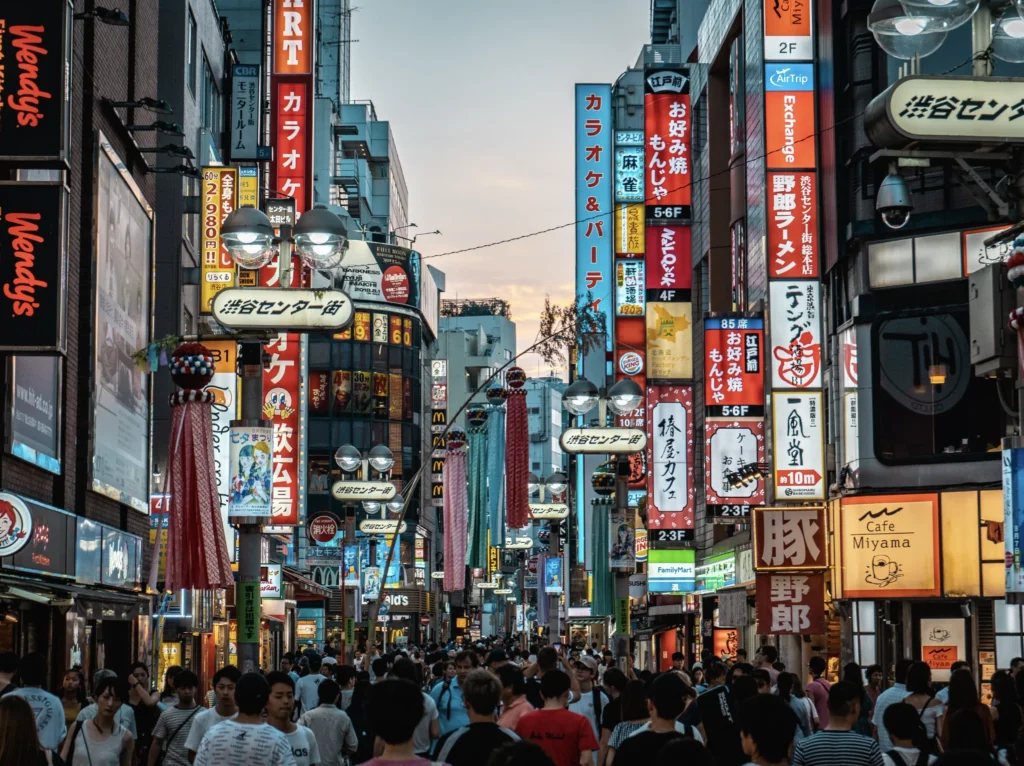
Tokyo is one of the most popular starting points for travelers visiting Japan.
The city combines modern architecture, traditional temples, shopping districts, restaurants, museums, entertainment, and residential neighborhoods. Its enormous scale means that travelers can experience several different sides of Japan without leaving the metropolitan area.
Explore different neighborhoods
One of the best ways to experience Tokyo is to explore it by neighborhood.
Areas such as Shibuya are associated with modern city life, shopping, and entertainment, while Asakusa provides a more traditional atmosphere.
Visitors can also explore Harajuku, Ginza, Shinjuku, Ueno, and other districts depending on their interests.
Rather than trying to visit every major attraction in one day, travelers should focus on a few areas that are geographically close to each other.
Combine modern and traditional experiences
Tokyo’s appeal comes partly from the contrast between old and new.
A morning visit to a historic temple can be followed by an afternoon exploring contemporary shopping areas or modern architecture.
This combination makes the city particularly interesting for first-time travelers who want an introduction to the different sides of Japan.
Kyoto for History and Traditional Culture
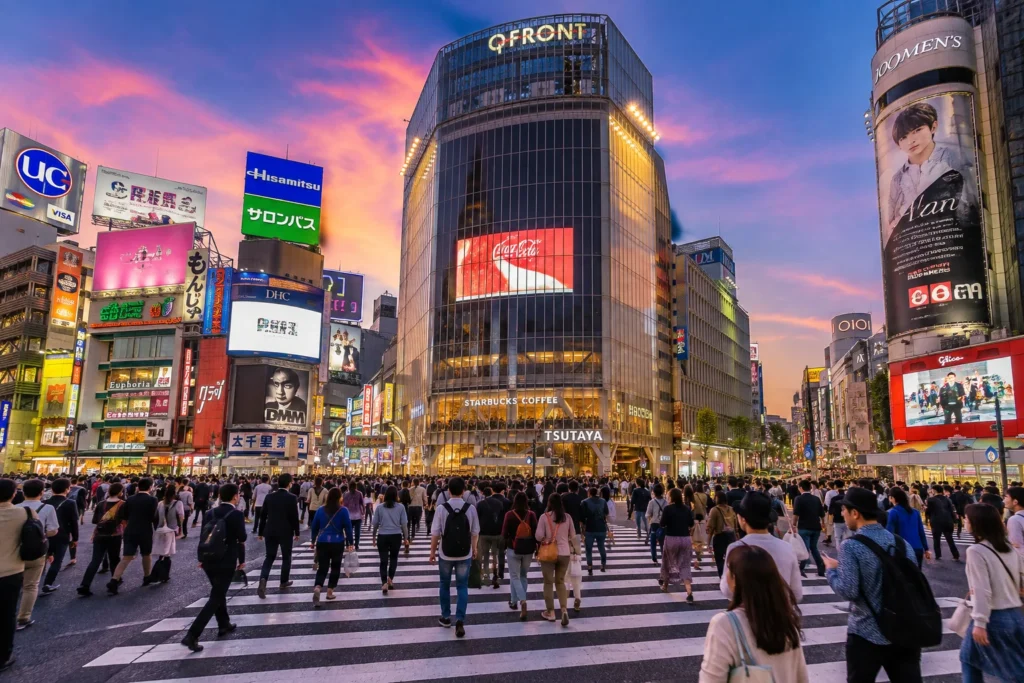
Kyoto is an excellent choice for travelers interested in traditional Japanese culture.
The city was historically one of Japan’s most important cultural centers and remains known for temples, shrines, gardens, traditional architecture, and historic districts.
Visit historic temples and shrines
Kyoto has numerous religious and cultural sites that showcase different aspects of Japanese architecture and history.
Travelers should avoid treating these locations as simple checklist attractions. Taking time to appreciate gardens, buildings, pathways, and surrounding neighborhoods can make the experience more rewarding.
Explore traditional neighborhoods
Some parts of Kyoto retain a strong connection to traditional architecture and local culture.
Walking through historic streets can provide a different experience from visiting individual attractions.
Early mornings can also be useful for travelers who want a quieter atmosphere at popular destinations.
Osaka for Food and Entertainment
Osaka offers a more energetic and casual urban experience.
The city is particularly well known for its food culture, shopping, entertainment, and lively neighborhoods.
Discover local food
Food can be one of the main reasons to include Osaka in a Japan itinerary.
Visitors can explore different restaurants and casual dining establishments while trying regional specialties.
Street food and informal restaurants can be particularly appealing to travelers who want to experience the city’s relaxed atmosphere.
Explore Dotonbori and surrounding areas
Dotonbori is one of Osaka’s most recognizable areas, with illuminated signs, restaurants, shops, and entertainment venues.
However, travelers can also explore other neighborhoods to discover a broader perspective of the city.
Allowing time to wander between planned activities can lead to smaller restaurants and local businesses that may not be included in a standard itinerary.
Hokkaido for Nature and Seasonal Experiences
Hokkaido provides a different experience from Japan’s major cities.
The region is known for its spacious landscapes, seafood, agricultural products, mountains, and strong seasonal character.
Visit Sapporo
Sapporo is the largest city in Hokkaido and can serve as a convenient base for exploring the region.
The city combines urban attractions with access to seasonal experiences and regional food.
Travelers can explore restaurants, shopping areas, parks, cultural attractions, and local neighborhoods before venturing farther into Hokkaido.
Experience winter in Hokkaido
Winter is one of Hokkaido’s biggest attractions.
Snow-covered landscapes create opportunities for skiing, snowboarding, winter festivals, and other seasonal activities.
Travelers visiting during winter should prepare carefully for cold temperatures and snowy conditions.
Explore Hokkaido beyond Sapporo
Those with additional time can consider destinations outside the city.
Hokkaido offers national parks, rural landscapes, hot spring areas, coastal scenery, and agricultural regions.
However, travelers should account for transportation distances because the region is considerably larger than many first-time visitors expect.
Nara for a Cultural Day Trip
Nara can be a convenient addition to a Kansai itinerary, particularly for travelers staying in Kyoto or Osaka.
The city is known for historic temples, traditional architecture, parks, and its famous deer.
Explore Nara Park
Nara Park provides a distinctive experience where visitors can walk through large green spaces while encountering deer.
The surrounding area also includes several important cultural attractions.
Travelers can combine a visit to the park with nearby temples and historic sites.
Give yourself enough time
Although Nara can be visited as a day trip, travelers should avoid trying to see every attraction in a few hours.
A slower pace allows more time to explore the surrounding streets and enjoy the atmosphere.
Hiroshima for History
Hiroshima offers an important historical and cultural experience.
The city provides opportunities to learn about its past while also experiencing contemporary Japanese urban life.
Visit historical sites
Travelers can visit sites connected with Hiroshima’s history and take time to understand their significance.
The experience can be reflective, making it different from a typical sightseeing destination.
Consider Miyajima
Miyajima is another popular destination that can be combined with a Hiroshima visit.
Its coastal scenery, traditional structures, and mountain landscape create a strong contrast with the city.
Combining both destinations can create a more varied experience during a stay in the region.
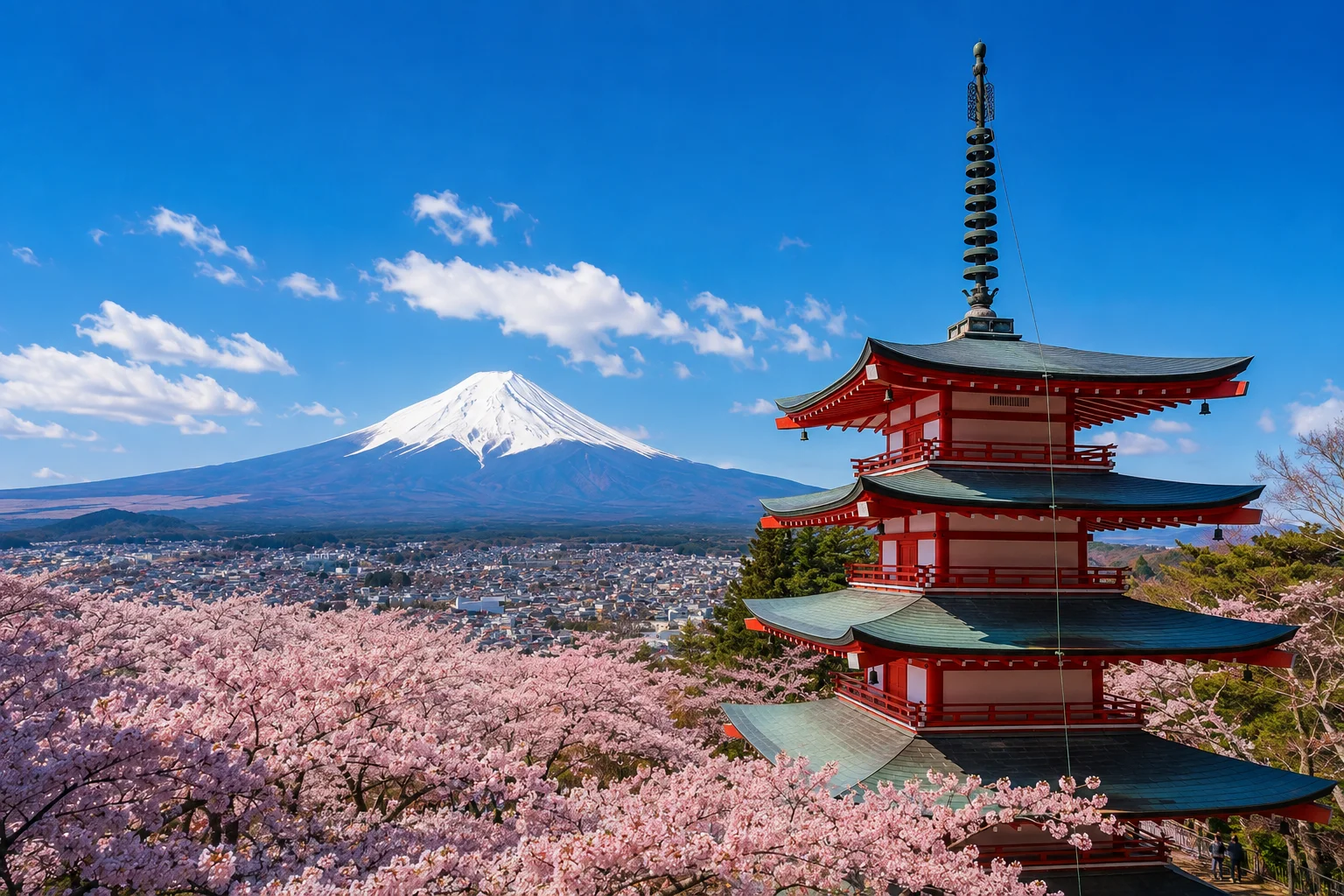
Mount Fuji and the Surrounding Region
Mount Fuji is one of Japan’s most recognizable natural landmarks.
For many first-time visitors, seeing the mountain can be an important part of the journey.
Look for scenic viewpoints
There are several areas where travelers can enjoy views of Mount Fuji.
The experience can change significantly depending on weather and season, so travelers should remain flexible.
Clear conditions can provide spectacular views, while clouds may partially or completely obscure the mountain.
Consider the surrounding area
Travelers do not necessarily need to climb Mount Fuji to experience the region.
Lakes, traditional towns, parks, and scenic viewpoints around the mountain can provide plenty of opportunities for sightseeing and photography.
Okinawa for Beaches and Island Culture
Okinawa offers a completely different atmosphere from Tokyo, Kyoto, or Osaka.
The islands are known for warm weather, beaches, clear waters, marine activities, and a distinct cultural heritage.
Enjoy the coastline
Travelers looking for relaxation can spend time exploring beaches and coastal areas.
Snorkeling, diving, kayaking, and other water-based activities can also be part of an Okinawa itinerary.
Experience Okinawan culture
Okinawa has cultural traditions and food that differ from those found on Japan’s main islands.
Trying local dishes and exploring traditional areas can add depth to a beach-focused vacation.
Kanazawa for Traditional Japan Without the Largest Crowds
Kanazawa can be an appealing alternative for travelers who want historic architecture and cultural experiences.
The city is known for traditional neighborhoods, gardens, crafts, and regional food.
Explore Kenrokuen Garden
Kenrokuen is one of the city’s best-known attractions and offers different experiences throughout the seasons.
The garden can be particularly appealing to travelers interested in Japanese landscape design.
Discover historic districts
Kanazawa also has traditional areas where visitors can explore old streets and architecture.
These neighborhoods can provide a slower alternative to the fast pace of larger cities.
Hakone for Hot Springs and Mountain Scenery
Hakone is another popular destination for travelers who want to combine relaxation with scenic experiences.
Its proximity to Tokyo makes it suitable for a short getaway.
Experience Japanese hot springs
Hot spring experiences can be an excellent way to slow down after several days of urban sightseeing.
Travelers can stay at traditional accommodations or visit facilities offering hot spring experiences.
Enjoy views of Mount Fuji
Depending on weather conditions, some parts of Hakone provide views toward Mount Fuji.
The region also offers lakes, mountain scenery, museums, and scenic transportation routes.
Choosing Destinations Based on Your Interests
There is no universal list of the best places to visit in Japan.
The right destinations depend on what you want from the trip.
For food lovers
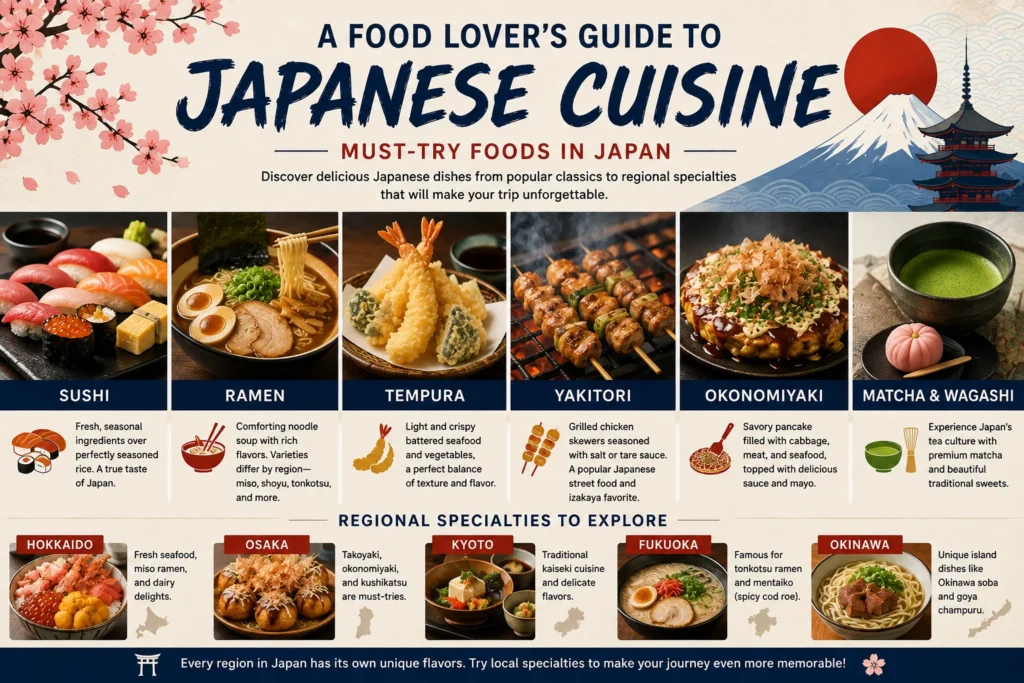
Travelers who prioritize food may enjoy combining Osaka, Tokyo, Kyoto, and Hokkaido.
Each destination provides different culinary traditions and regional specialties.
For culture enthusiasts
Kyoto, Nara, Kanazawa, and Hiroshima can provide particularly rich cultural and historical experiences.
These destinations can also complement one another because each offers a different perspective on Japan.
For nature lovers
Hokkaido, Hakone, the Mount Fuji region, and Okinawa provide opportunities to experience landscapes that differ considerably from Japan’s major cities.
For first-time city explorers
Tokyo, Osaka, and Kyoto make a strong combination for travelers who want to experience Japan’s urban and cultural highlights.
The three cities are different enough to create variety while still being practical to combine into one itinerary.
How Many Destinations Should You Visit?
One of the biggest planning mistakes first-time visitors can make is trying to visit too many destinations.
Focus on fewer places for short trips
If you only have several days, choosing two or three destinations can be more comfortable than trying to cover half the country.
Constantly changing hotels and transportation can consume valuable vacation time.
Add more regions to longer trips
Travelers with more time can gradually expand their itinerary.
A two-week trip, for example, provides more flexibility than a five-day vacation.
Even then, travelers should consider whether each additional destination genuinely adds something they want to experience.
Consider Travel Time Between Destinations
Japan’s transportation network makes long-distance travel relatively convenient, but distance still matters.
Traveling between regions requires time for checking out, reaching stations, waiting for transportation, traveling, and checking into the next accommodation.
A destination may appear close on a map while still requiring several hours of travel.
Building realistic travel time into the itinerary can prevent unnecessary stress.
Make Room for Local Experiences
Major attractions are an important part of a first Japan trip, but travelers should also leave space for less structured experiences.
Walking through a neighborhood, stopping at a small café, visiting a local market, or discovering a quiet park can become an unexpected highlight.
These experiences often provide a stronger sense of everyday life than moving constantly between famous landmarks.
Final Thoughts
Japan offers an extraordinary range of destinations for first-time travelers.
Tokyo provides modern urban energy, Kyoto offers traditional culture, Osaka brings food and entertainment, Hokkaido delivers seasonal landscapes and regional cuisine, while Okinawa provides a completely different island experience.
Beyond these major destinations, places such as Nara, Hiroshima, Kanazawa, Hakone, and the Mount Fuji region can add even more variety.
The most important thing is to choose destinations based on your interests and available time. Instead of trying to see everything, create an itinerary that balances sightseeing, food, culture, transportation, and relaxation.
A thoughtful selection of destinations can make a first visit to Japan feel less rushed and allow each place to become part of a memorable travel experience.
Frequently Asked Questions
What are the best places to visit in Japan for first-time travelers?
Tokyo, Kyoto, Osaka, and Hokkaido are popular choices because they provide very different experiences. Nara, Hiroshima, Hakone, Kanazawa, and Okinawa can also be excellent additions depending on your interests.
How many places should I visit on my first Japan trip?
The number depends on the length of your vacation. Shorter trips are usually more enjoyable when focused on fewer destinations, while longer trips allow additional regions to be included.
Is Tokyo or Kyoto better for first-time visitors?
Both offer different experiences. Tokyo is ideal for travelers interested in modern city life, shopping, entertainment, and diverse neighborhoods, while Kyoto is particularly suited to those interested in traditional culture and historic attractions.
Is Hokkaido worth visiting on a first trip to Japan?
Hokkaido can be an excellent choice for travelers interested in nature, seafood, seasonal activities, and winter experiences. However, its distance from central Japan means it should be planned carefully within the overall itinerary.
Can I visit Osaka, Kyoto, and Tokyo in one trip?
Yes. These cities are commonly combined because transportation connections make it practical to travel between them. The amount of time available will determine how much of each city you can comfortably explore.