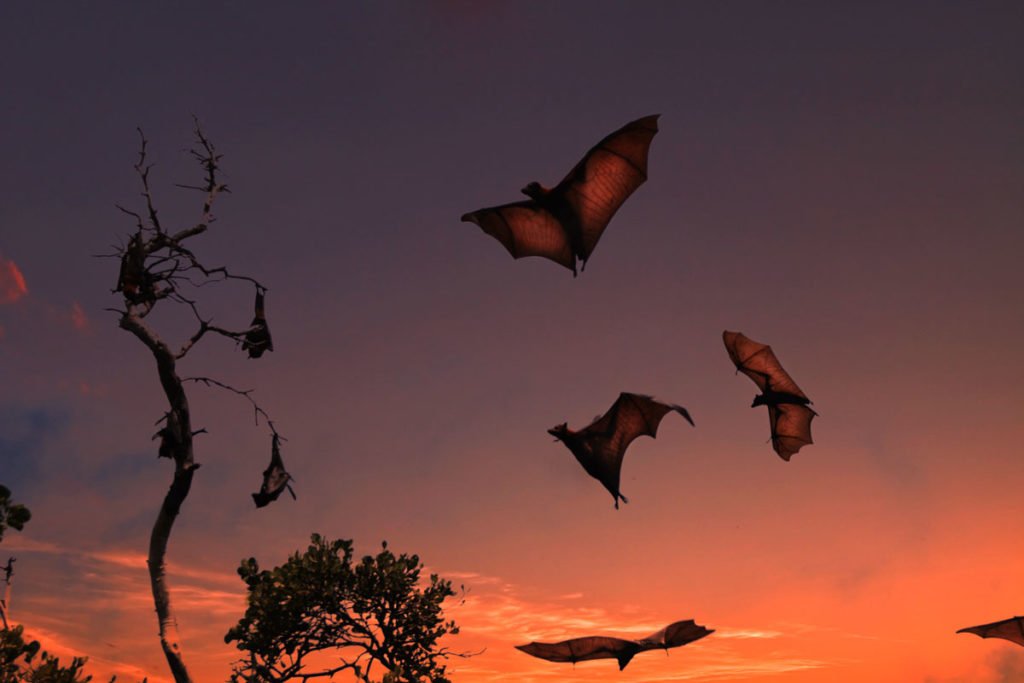
Kalong Island is one of the most atmospheric stops near Labuan Bajo, famous for the dramatic evening flight of thousands of flying foxes as they rise from the mangrove forest. Unlike Komodo’s trekking and snorkelling destinations, this island is best experienced from a boat, making it a peaceful, cinematic sunset moment on a sailing itinerary.
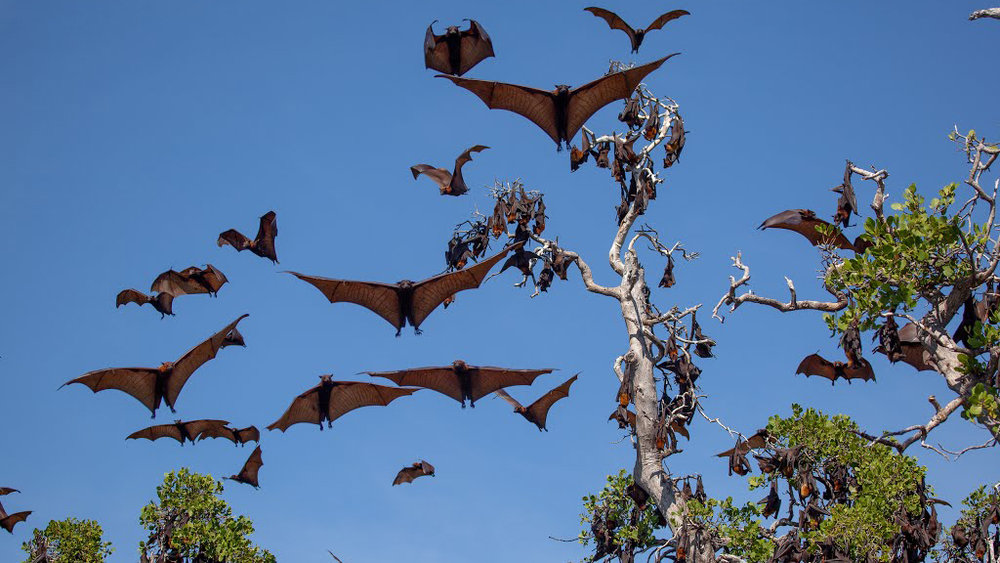
The Island of Flying Foxes
The name Kalong refers to bats, and the island is known for its large colony of flying foxes. Hello Flores describes Kalong as a small island near Rinca Island, around 8 kilometres from Labuan Bajo, covered in mangrove forest and home to thousands of bats. The best time to visit is at dusk, when the bats fly out in large groups to feed on neighbouring islands.
This natural event has become one of the most memorable evening highlights in the Komodo area. Travellers do not need to hike or swim. They wait on deck as the sky changes colour.
Why Boats Do Not Usually Land Here
The island is covered with dense mangroves, so visitors typically admire it from a distance. This makes the experience feel different from other Komodo stops. Instead of stepping onto the island, travellers gather quietly aboard while the crew positions the vessel near the best viewing area.
This distance also helps protect the habitat. Mangroves are important coastal ecosystems, providing shelter for wildlife, stabilising shorelines, and supporting marine life. Watching from the water allows visitors to enjoy the spectacle without disturbing the island.
What Makes the Sunset So Special
A visit to Kalong Island is all about timing. As the sun lowers, the first bats begin to move from the trees. Soon, streams of flying foxes cross the sky, often silhouetted against orange, pink, or violet light. The movement can last long enough for guests to take photos, film, or enjoy the scene.
The experience feels almost theatrical because it happens at the transition between day and night. After a day of trekking or snorkelling, the quiet rhythm of waiting for wildlife gives the itinerary a calmer emotional ending.
Useful Data for Context
Komodo National Park is globally recognised for its natural value. UNESCO notes that the Komodo Biosphere Reserve sits between Flores and Sumbawa and includes Komodo, Rinca, Padar, and numerous islets. It is especially known for its population of around 5,000 Komodo dragons, which exist nowhere else in the world.
While dragons often receive most of the attention, Kalong shows that the region’s appeal is broader. Wildlife encounters in Komodo are not limited to land. They also include marine life, birds, mangrove ecosystems, and nocturnal species.
How Kalong Fits Into a Sailing Route
Hello Flores includes Kalong in its sample 3D2N, 4D3N, and 5D4N itineraries from Labuan Bajo, usually alongside major stops such as Padar, Pink Beach, Manta Point, Rinca, Manjarite, Kelor, and Kanawa.
This placement makes sense because Kalong Island works best as an evening anchorage. It does not need to compete with daytime activities. Instead, it adds a distinct sunset chapter to the journey.
Best Time to Visit
The best time to experience the bat flight is at dusk. Hello Flores also notes that the formation can sometimes be seen early in the morning as the bats return home.
Most travellers prefer sunset because the sky adds colour and atmosphere. For the best experience, guests should arrive before the bats begin moving. Boats often wait quietly in the area so passengers can watch the whole transition from calm mangroves to a sky filled with movement.
Photography Tips
Photographing Kalong Island can be challenging because the bats move quickly and the light changes fast. Travellers should prepare their cameras or phones before sunset, avoid excessive zoom if it reduces quality, and capture wider shots that include the sky, mangroves, and silhouettes.
Video often works better than still photography because the beauty of Kalong is movement. A simple wide video of the bats crossing the sunset can capture the mood better than a close-up image.
Responsible Viewing
Travellers should avoid loud noise, drone disturbance, or attempts to get too close to the mangroves. Flying foxes are part of the island’s natural rhythm, and the best experience comes from observing without interference.
A responsible boat crew will maintain distance and choose a safe anchorage. This is another reason to book with experienced operators who understand both guest experience and environmental respect.
Final Thoughts
Kalong is not about adrenaline or luxury facilities. It is about stillness, timing, and the beauty of a natural event that happens every day but still feels extraordinary. For travellers sailing through Komodo National Park, the sunset flight of flying foxes offers one of the most poetic moments of the journey.