Category: Home Improvement

  • Construction Loan Eligibility for Self-Employed Borrowers in Sydney

    Construction Loan Eligibility for Self-Employed Borrowers in Sydney

    Running your own business in Sydney offers independence and flexibility, but when it comes to securing finance for a construction project, the process can feel more complex than it does for salaried employees. Lenders often view self-employed income as less predictable, which can lead to additional documentation and closer scrutiny during assessment.

    If you are planning to build your dream home, undertake a knockdown rebuild, or develop an investment property, understanding construction loan eligibility is essential. This guide explains how construction loans work, what lenders look for in self-employed applicants, and how you can strengthen your approval chances in Sydney’s competitive lending environment.

    What Is a Construction Loan

    A construction loan is specifically designed to fund the building of a property rather than the purchase of an existing home. Instead of receiving the full loan amount upfront, funds are released progressively as construction milestones are completed. These staged payments, known as progress payments, help manage risk for both the borrower and the lender.

    Common stages include:

    • Slab or foundation
    • Frame
    • Lock up
    • Fit out
    • Completion

    During construction, you generally pay interest only on the amount drawn down, not the total approved loan amount. This can assist with cash flow management while your property is being built.

    Because construction involves variables such as builder performance, timelines, and cost overruns, lenders conduct more detailed risk assessments. For self-employed borrowers, this scrutiny extends further into income stability and business performance.

    Are Self-Employed Borrowers Eligible for Construction Loans in Sydney

    Self-employed borrowers are eligible for construction loans in Sydney, but the assessment process differs from that of PAYG applicants. Lenders must verify that your income is reliable and sustainable enough to support loan repayments throughout the construction period and beyond.

    Approval depends on several key factors, including:

    • Length of time in business
    • Income consistency
    • Deposit size
    • Credit history
    • Business structure

    Each lender has its own policy framework, which is why comparing options carefully is critical. Some lenders specialise in assessing complex income structures, enabling self-employed applicants to secure competitive solutions.

    Minimum Trading History Requirements

    Most lenders require at least 2 years of trading history under your ABN. This allows them to review two full financial years of income and calculate an average. Averaging income helps smooth out fluctuations and gives lenders confidence in long-term stability.

    In certain circumstances, one year of financials may be accepted. This typically applies where:

    • You have prior experience in the same industry
    • The business shows strong upward growth
    • Your credit profile is excellent

    Newly established businesses face greater challenges, particularly in Sydney’s higher-value property market. Demonstrating strong prior employment history in the same field can significantly improve eligibility.

    Income Documentation Requirements

    Self-employed applicants must provide comprehensive documentation to verify earnings and financial health. Unlike salaried borrowers who rely on payslips, business owners must demonstrate profit sustainability.

    Full Documentation Construction Loans

    For full doc applications, lenders typically require:

    • Last two years’ personal tax returns
    • Last two years’ business tax returns
    • Notices of assessment from the ATO
    • Profit and loss statements
    • Balance sheets

    Lenders assess net profit rather than total revenue. They may also consider add-backs, such as depreciation or one-off expenses, to provide a clearer view of actual income capacity.

    Low Doc Construction Loans

    Low doc construction loans are designed for borrowers who may not have complete tax documentation available. These are often used by business owners who minimise taxable income through legitimate tax planning strategies.

    Documentation may include:

    • BAS statements
    • Business bank statements
    • Accountant declaration
    • ABN and GST registration

    Low doc loans generally require:

    • Larger deposits
    • Higher interest rates
    • Strong credit history

    While they provide flexibility, they also entail higher costs due to greater lender risk.

    Deposit Requirements for Self-Employed Borrowers in Sydney

    Deposit requirements are influenced by risk profile and lender policy. While some lenders allow 10% deposits with Lenders Mortgage Insurance, self-employed borrowers are often expected to contribute a higher deposit.

    Typical minimum deposit ranges:

    • 10% with Lenders Mortgage Insurance
    • 20% to avoid LMI

    A deposit of 20% or more improves approval likelihood and may unlock better interest rates. Additionally, construction projects in Sydney often involve higher build costs, making contingency planning essential.

    Borrowers should also budget for:

    • Stamp duty
    • Legal fees
    • Council and approval costs
    • Potential cost overruns

    Having a financial buffer demonstrates strong financial management and reduces perceived risk.

    Credit Score and Overall Financial Position

    Credit profile plays a crucial role in construction loan approval. Lenders will examine:

    • Credit score
    • Repayment history
    • Existing debts
    • Personal loans and credit cards
    • Business liabilities

    Missed repayments, defaults, or tax debt arrangements can significantly reduce approval chances. Clean repayment history and well-managed credit limits improve lender confidence.

    If personal guarantees exist on business loans, these will also be factored into serviceability calculations.

    Serviceability Assessment for Self-Employed Applicants

    Serviceability determines whether you can afford the loan repayments under stressed conditions. For self-employed borrowers, lenders typically:

    • Average income over two years
    • Use the lower income year if earnings are declining
    • Add back non-cash expenses like depreciation
    • Apply buffer interest rates to stress test affordability

    Income trends are particularly important. Declining profit over time may reduce borrowing capacity even if the most recent year appears strong. Maintaining consistent reporting is key to maximising approval chances.

    Construction Specific Requirements

    Beyond personal financial eligibility, lenders assess the construction project itself. They want assurance that the build is professionally managed and financially controlled.

    You will typically need:

    • Fixed price building contract
    • Licensed builder registered in NSW
    • Council approved plans
    • Detailed building specifications
    • Insurance documentation

    Lenders also conduct a valuation based on the expected on completion value of the property. This ensures the finished home supports the total loan amount.

    Common Challenges Self-Employed Borrowers Face

    Self-employed applicants commonly encounter obstacles such as fluctuating income and complex business structures. Tax planning strategies that reduce taxable income can unintentionally lower borrowing capacity. Trusts, companies, and partnership arrangements add further complexity to assessment.

    Cash flow irregularities and recent business changes may also impact approval. Proper preparation well in advance of applying can mitigate many of these challenges.

    How to Improve Your Construction Loan Approval Chances

    Preparation is critical when applying as a self-employed borrower. Consider the following steps:

    Reduce Personal and Business Debt
    Lowering liabilities improves serviceability ratios and demonstrates financial discipline.

    Maintain a Clean Credit History
    Avoid late payments and manage credit responsibly.

    Increase Your Deposit
    A stronger deposit reduces lender risk and strengthens your application.

    Keep Financial Records Up to Date
    Ensure tax returns and financial statements are accurate and lodged on time.

    Work with an Experienced Mortgage Broker
    Specialist brokers understand which lenders are flexible with self-employed construction loans. Firms such as Stryve Finance regularly assist business owners in navigating complex lending policies.

    Consider Specialist Lenders
    Some non-bank lenders apply more flexible income assessment models. An experienced adviser at Stryve Finance can help identify suitable options tailored to your circumstances.

    Major Banks vs Specialist Lenders

    Major banks typically offer competitive rates but apply stricter documentation and serviceability requirements. Specialist lenders may provide greater flexibility, particularly for borrowers with shorter trading histories or fluctuating income.

    Working with an experienced brokerage such as Stryve Finance can simplify comparisons across both major and specialist lenders. Their understanding of Sydney’s property market can be particularly valuable for construction projects.

    While specialist lenders may charge slightly higher rates, the flexibility they provide can make approval possible where traditional banks decline.

    Frequently Asked Questions

    Can I get a construction loan with only one year of self-employment?
    It is possible with certain lenders, particularly if you have strong prior industry experience and a larger deposit.

    Do self-employed borrowers need a larger deposit?
    Often yes. A 20% deposit, or more, significantly improves approval prospects.

    Can retained business profits be used for serviceability?
    Some lenders consider retained earnings in company structures, depending on policy guidelines.

    Are low-doc construction loans more expensive?
    Yes, they typically involve higher interest rates due to increased risk.

    Final Thoughts

    Securing a construction loan as a self-employed borrower in Sydney requires careful preparation, accurate documentation, and strategic lender selection. While the process may involve more scrutiny than for salaried applicants, approval is entirely achievable with the right approach.

    Stable income reporting, a strong deposit, clean credit history, and a professionally structured building contract all contribute to success. Many self-employed borrowers work with specialists such as Stryve Finance to navigate policy nuances and maximise approval chances.

    If you are planning to build, reviewing your eligibility early can prevent costly delays and ensure your construction project proceeds smoothly.

  • Can First Home Buyers Get Construction Loans in Sydney

    Can First Home Buyers Get Construction Loans in Sydney

    Buying your first home in Sydney can feel challenging, particularly with rising property prices, competitive auctions, and limited supply in desirable suburbs. As a result, many first home buyers are exploring the option of purchasing land and building a new home instead of buying an established property, and speaking with a specialist offering a construction loan in Sydney can help you understand your borrowing capacity and structure the right finance solution from the start.

    The answer is yes. First home buyers can qualify for construction loans, provided they meet lender requirements around income, credit history, deposit, and serviceability. In some cases, building may even provide access to government grants and incentives that are not available when purchasing an existing home.

    What Is a Construction Loan

    A construction loan is a specialised home loan designed to fund the building of a new property. Unlike a standard home loan, which releases funds in a lump sum at settlement, a construction loan is drawn down in stages as the build progresses. This staged funding structure helps manage risk for both the lender and the borrower.

    Instead of paying interest on the full loan amount from day one, you only pay interest on the funds that have been drawn at each stage. This can make repayments more manageable during construction, particularly for first-home buyers who may also be paying rent at the same time.

    Typical construction stages include:

    • Slab or foundation stage
    • Frame stage
    • Lock up stage
    • Fit-out stage
    • Completion stage

    Once construction is complete and the final inspection has been approved, the loan generally converts to a standard principal-and-interest home loan.

    Can First Home Buyers Qualify for a Construction Loan in Sydney

    First home buyers are eligible for construction loans in Sydney, but they must meet the same lending criteria as other borrowers. Lenders will assess your financial position carefully to determine whether you can manage the loan repayments both during and after construction.

    Key areas lenders review include:

    • Income and employment stability
    • Credit history and credit score
    • Existing debts and liabilities
    • Savings history
    • Deposit amount
    • Building contract details

    Given Sydney’s higher land and construction costs, lenders will also stress test your borrowing capacity to ensure you can afford repayments if interest rates rise. Working with an experienced broker such as Stryve Finance can help clarify borrowing limits early and match you with lenders that are more flexible with first-home buyers.

    Minimum Deposit Requirements for First Home Buyers

    Deposit requirements for construction loans are similar to standard home loans, but they can vary depending on the lender and your financial profile. In Sydney, where property prices are typically higher than the national average, deposit size can significantly influence loan approval and borrowing capacity.

    Common deposit scenarios include:

    • A 20% deposit avoids LMI
    • A 10% deposit may be accepted with LMI
    • A 5% deposit is possible under certain government schemes

    Lenders often require genuine savings, meaning funds accumulated gradually over time. However, some lenders may accept gifted funds or allow family guarantor arrangements. A guarantor can use equity in their property to help reduce your deposit requirement and potentially eliminate LMI, which can be particularly helpful for first-home buyers in Sydney’s competitive market.

    Government Grants and Schemes Available in NSW

    One of the advantages of building as a first-home buyer is the potential to access government incentives. These schemes are designed to support new entrants into the property market and can significantly reduce upfront costs.

    First Home Owner Grant NSW

    Eligible buyers building a new home in NSW may qualify for the First Home Owner Grant, provided the property value falls within the prescribed thresholds and other eligibility criteria are met. This grant can directly contribute to construction costs.

    First Home Guarantee Scheme

    Under this scheme, eligible first home buyers can purchase or build with as little as a 5% deposit without paying LMI. The government guarantees part of the loan, making it easier to enter the market sooner.

    Stamp Duty Concessions

    First home buyers in NSW may be eligible for stamp duty exemptions or concessions, depending on the property’s total value. In some cases, this can result in substantial savings.

    Because eligibility criteria change over time, seeking advice from professionals such as Stryve Finance can help ensure you structure your purchase to maximise the benefits available to you.

    How Construction Loans Work for First Home Buyers

    The construction loan process is more detailed than a standard home purchase, but understanding each step makes it manageable. Preparation and documentation are essential for smooth approval.

    1. Finance Pre-Approval

    Obtaining pre-approval helps you understand your borrowing capacity before committing to a land or building contract. It also provides confidence when negotiating with developers or builders.

    2. Purchase Land

    Some buyers secure land first and then arrange construction finance, while others use a combined land-and-construction package. Timing can affect loan structure and repayments.

    3. Sign a Fixed Price Building Contract

    Lenders typically require a fixed price building contract with a licensed builder. This reduces uncertainty around costs and minimises risk for both parties.

    4. Full Loan Application

    Once contracts are signed, you submit detailed plans, specifications, and the building contract to the lender for formal approval.

    5. Loan Approval and Progress Payments

    After approval, funds are released at each construction stage following inspection or certification.

    6. Completion and Loan Conversion

    When the build is complete and compliance certificates are issued, the loan transitions into a standard home loan structure.

    Throughout this process, guidance from experienced mortgage professionals can help efficiently manage lender requirements and timelines.

    Benefits of Getting a Construction Loan as a First Home Buyer

    Building your first home in Sydney offers several compelling advantages. In many growth corridors, land-and-build packages may be more affordable than established homes in inner suburbs.

    Key benefits include:

    • Access to grants
    • Lower maintenance costs
    • Energy efficiency
    • Customisation

    New homes are built to modern standards, which can mean better insulation, improved energy ratings, and fewer repair costs in the early years. The ability to design your home to suit your needs is also attractive to many first-home buyers.

    Challenges First Home Buyers Should Consider

    While building can be rewarding, there are risks that must be managed carefully. Construction projects can encounter delays or unexpected expenses, which may put financial pressure on the project.

    Potential challenges include:

    • Budget blowouts
    • Construction delays
    • Interest rate changes
    • Valuation risk

    Unexpected upgrades, material cost increases, or contract variations can increase total expenses. In addition, if the final property valuation is lower than expected, it may impact loan terms. Careful budgeting and contingency planning are essential before committing to a build.

    Step-by-Step Guide to Applying for a Construction Loan in Sydney

    Successfully applying for a construction loan requires preparation and organisation. Following a structured approach can speed up approvals and reduce stress.

    1. Save your deposit
    2. Review your credit file and reduce existing debts
    3. Obtain finance pre-approval
    4. Choose a land and a builder
    5. Sign a fixed price building contract
    6. Submit a full loan application
    7. Begin construction and manage progress payments
    8. Move in once construction is complete

    Each stage builds upon the previous one, so having clarity early can prevent complications later in the process.

    Tips to Improve Approval Chances

    First home buyers can strengthen their loan application by demonstrating financial stability and responsible money management. Lenders want confidence that repayments will be sustainable in the long term.

    Helpful strategies include:

    • Maintaining stable employment
    • Reducing credit card limits and personal loans
    • Avoiding large purchases before settlement
    • Demonstrating consistent savings habits
    • Working with a mortgage broker experienced in Sydney construction loans

    Seeking guidance from specialists such as Stryve Finance can help you navigate lender policy differences and present your application in the strongest possible way.

    Construction Loan vs Buying an Established Home

    Choosing between building and buying an established home depends on your financial situation, lifestyle goals, and risk tolerance. In Sydney, established homes in premium suburbs can command significant price premiums, while outer growth areas may offer more affordable land options.

    Building may offer advantages such as government incentives, lower initial maintenance costs, and modern design features. Buying an established home, on the other hand, allows immediate occupancy and greater certainty around timelines and neighbourhood character.

    Evaluating both options carefully will help determine which path aligns with your long-term financial objectives.

    Frequently Asked Questions

    Can I use the First Home Owner Grant for a construction loan

    Yes, eligible first home buyers can apply the grant toward construction costs, provided all criteria are met.

    How long does a construction loan approval take in Sydney

    Pre-approval can take several days to a few weeks. Formal approval after contract submission may take additional time, depending on lender requirements and the quality of the documentation.

    Do I pay rent while building?

    In most cases, yes. Many first home buyers continue renting during construction, so budgeting for dual housing costs is important.

    What happens if construction goes over budget

    You may need to cover additional expenses yourself unless the lender agrees to increase the loan amount, which is not guaranteed.

    Can I lock in my interest rate?

    Some lenders offer rate lock options for a defined period, though conditions and fees may apply.

    Conclusion

    First home buyers can absolutely obtain construction loans in Sydney. While the process involves more documentation and planning than purchasing an established home, it can provide significant advantages, particularly when government grants and modern building standards are considered.

    Preparation is critical. Understanding deposit requirements, lender expectations, and the staged funding structure will help you move forward with confidence. With the right guidance and careful budgeting, building your first home can be an achievable and rewarding pathway into the Sydney property market.

  • How to Choose the Right Office Layout for Your Business

    How to Choose the Right Office Layout for Your Business

    Choosing the right office layout is a crucial decision that affects your business’s daily operations and your employees’ well-being. The physical space where your team operates can enhance productivity, foster creativity, and contribute to employee satisfaction. As Sydney’s office rental prices continue to rise and businesses shift to more flexible work environments, it’s essential to create a workspace that reflects your company’s culture, goals, and operational needs. In this article, we’ll explore the steps to take when selecting the ideal office layout for your Sydney-based business.

    Understand Your Business Needs

    The first step in choosing the right office layout is to understand your business’s unique needs. Your business type, team structure, and growth potential all play a significant role in determining the best layout. For instance, a creative agency might prioritise collaboration and flexibility, which can be achieved through an open-plan office. In contrast, law firms or financial institutions often require more private spaces for confidential discussions, making private offices a better option.

    When considering the size and structure of your team, it’s important to think about how many employees you have now and how many you anticipate having in the future. If your business is expected to grow, consider layouts that can easily accommodate future expansion without major redesigns. Modular office designs are an excellent choice here, allowing you to adjust spaces as needed.

    Lastly, the nature of your work also plays a role. If your company thrives on collaboration, an open-office layout might be ideal. However, if your employees need uninterrupted time for deep focus, a more segmented space with quiet zones might be more effective.

    Read also: The Best Office Furniture Choices for Sydney Refurbishments

    Know the Different Office Layout Styles

    There are several office layout styles, each offering unique benefits. The right choice for your business will depend on your team’s work habits and company goals.

    • Open-plan offices are designed to foster collaboration and communication by removing barriers between employees. This layout is highly flexible and can easily be adjusted as your team grows. However, open offices can also increase noise and distractions, which may not be ideal for tasks requiring deep focus.
    • Private offices are perfect for businesses that require confidentiality or have employees who need dedicated space for focus-driven tasks. Although private offices can reduce opportunities for collaboration, they provide a quiet environment for high-concentration work.
    • Activity-based working (ABW) allows employees to work in different spaces based on the task at hand. For example, there may be quiet zones for focused work, collaboration hubs for brainstorming sessions, and informal meeting spaces for casual conversations. This style is ideal for creative businesses that require flexibility.
    • Hybrid layouts combine the best of both worlds by integrating open spaces with private offices. This layout allows for flexibility and accommodates both collaborative and private activities. Hybrid layouts are becoming increasingly popular as businesses seek a balance between team collaboration and individual work.
    • Coworking spaces offer businesses the flexibility of shared office environments. For startups and smaller businesses, coworking spaces offer a cost-effective way to access amenities such as meeting rooms and office infrastructure without the long-term commitment of leasing a traditional office.

    Consider Employee Well-being

    A well-designed office space not only supports productivity but also plays a significant role in employee satisfaction. Sydney businesses are increasingly recognising the importance of office environments that prioritise employee well-being.

    • Natural light and ventilation are essential elements for creating a healthy office. Studies show that exposure to natural light improves mood, reduces stress, and boosts productivity. Incorporating glass walls, open windows, or skylights can ensure employees benefit from the natural environment while working indoors.
    • Breakout areas are important for allowing employees to take mental breaks, recharge, or hold informal meetings. These spaces can reduce stress and foster creativity by giving employees the opportunity to step away from their desks and engage in a more relaxed atmosphere.
    • Noise management is a key consideration for any open-office layout. While open-plan spaces promote collaboration, they can also be noisy. To address this, businesses can use soundproofing techniques, such as acoustic panels or dedicated quiet areas, to balance the need for communication with the need for peace and focus.
    • Ergonomics is crucial for reducing physical strain. With long working hours, it’s essential to ensure that furniture is comfortable and promotes healthy posture. Providing ergonomic desks, chairs, and other workstations is an investment that benefits both employee well-being and productivity.

    Location-Specific Factors for Sydney Businesses

    Sydney is known for its high rent and limited office space, so it’s essential to make the most of the available space while considering specific factors unique to the city.

    • Maximising space in Sydney’s high-rent market means being strategic with your office design. Open-plan offices, modular furniture, and flexible workstations allow businesses to optimise space without compromising functionality. Partnering with a company like Stemar Group, which specialises in creative office design, can help you make the most of a smaller space while keeping it functional and stylish.
    • Accessibility is also an important factor. Sydney has an extensive public transport system, so choosing an office that is easily accessible by train, bus, or ferry can improve your employees’ commutes. Consider locations close to key transport hubs or bike paths to ensure convenience for everyone.
    • Sydney’s climate can also affect the layout of your office. With the city’s warm summers, air conditioning is crucial to maintaining comfort, but proper ventilation and natural airflow should also be incorporated into the design. Offering outdoor spaces where employees can enjoy Sydney’s climate during breaks is another way to enhance the work environment.

    Involve Your Team in the Decision

    Involving your employees in the office layout decision is an important step to ensure that the space meets their needs and supports their work styles. By gathering employee feedback, you can make more informed decisions about what will work best for your business.

    • Surveys and feedback: An effective way to understand employee preferences is to conduct surveys or hold focus groups. This can provide insights into how employees use their workspace, what they find beneficial, and what could be improved.
    • Collaboration with designers and architects: Working with an experienced office design firm like Stemar Group can help bring your vision to life. Their expertise in tailoring spaces for specific business needs ensures that the layout is both functional and aesthetically pleasing. Designers can also offer suggestions based on the feedback you’ve received from employees.
    • Team-building opportunities: The right office layout can foster better team dynamics. For instance, shared workspaces and communal areas encourage interaction and collaboration, which can strengthen team relationships and foster a positive company culture.

    Stay Flexible for Future Changes

    The modern workplace is continuously evolving, and your office layout should be flexible enough to accommodate changes in the workforce, technology, and business needs.

    • Modular layouts: Modular office designs are ideal for businesses anticipating growth. They allow you to easily adjust the space as your team grows or as work patterns shift. Modular walls, adjustable desks, and movable partitions are examples of how you can design a flexible office space.
    • Technology integration: As technology continues to advance, it’s important to plan for the infrastructure that will support new tools and systems. Ensure that your office layout can accommodate digital upgrades such as high-speed internet, conference rooms equipped with the latest AV equipment, and charging stations.
    • Room for growth: When designing your office, leave room for future expansion. Whether it’s by designing flexible spaces or choosing furniture that can be easily added to, having a growth mindset will save time and resources down the road.

    Work with Experienced Office Fitout Experts

    Choosing the right office layout is a complex process that requires professional expertise. Working with experienced office fitout experts can help you navigate this process smoothly and create an office that meets your business goals and enhances employee productivity.

    • The importance of working with local experts: Local design experts like Stemar Group bring valuable knowledge of Sydney’s building codes, space regulations, and design trends. Their experience can ensure that your office is both functional and compliant with local standards.
    • Fitout companies: A reputable fitout company will work closely with you to understand your business needs and create a customised layout. They will handle everything from initial design to the final installation, making the process as seamless as possible.
    • Case studies: Reviewing case studies of other businesses that have undergone office refurbishments in Sydney can provide inspiration and help you make informed decisions. Learn from others’ successes and challenges to ensure that your project meets your expectations.

    Conclusion

    Choosing the right office layout for your Sydney business is a decision that affects your company’s efficiency, culture, and long-term success. By understanding your business needs, considering employee well-being, and working with experienced designers, you can create a workspace that promotes productivity, supports collaboration, and enhances overall employee satisfaction. With the help of experts like Stemar Group, you can transform your office into a space that fosters growth and innovation.

  • The Best Office Furniture Choices for Sydney Refurbishments

    The Best Office Furniture Choices for Sydney Refurbishments

    Refurbishing an office in Sydney goes beyond just updating décor, selecting the right furniture is key to enhancing both the functionality and aesthetic of your workspace. Whether you’re aiming to improve employee productivity or simply modernise your office, services like Office Refurbishment Sydney can help you achieve the perfect balance of style and comfort, transforming your office into a productive and inspiring space.

    The right office furniture can improve not just the look of your office but also your employees’ productivity and satisfaction. This article will explore the best office furniture options for refurbishing your office in Sydney, covering essential factors such as space, functionality, design trends, and top suppliers.

    Understanding Your Office Needs

    Before you dive into selecting office furniture, it’s essential to assess your office’s specific needs. Each business has unique requirements, and understanding them will help ensure your furniture choices align with both the practical and cultural needs of your workspace.

    • Assessing the Space: Start by carefully evaluating the available office space. The layout will influence the type of furniture you need. For example, an open-plan office calls for versatile furniture, such as modular desks and communal seating, to foster collaboration. Conversely, private offices or small team rooms may require more traditional office furniture, such as fixed desks and individual chairs. Whether you’re working with a spacious floor plan or a more compact space, your furniture should maximise functionality without overcrowding the office.
    • Defining Your Business Culture: The office furniture you choose should reflect your company’s culture. For instance, creative industries such as design firms or tech startups in Sydney may opt for modern, casual furniture with bright colours and flexible, collaborative setups. In contrast, law firms or financial institutions might prefer more formal, traditional furniture to reflect professionalism and stability. The right furniture can project the right image for your business and help your employees feel at home.
    • Employee Comfort: Comfort is crucial to a productive office environment. Ergonomic furniture helps prevent strain and discomfort during long hours at work. Adjustable chairs, sit-stand desks, and proper lumbar support should be prioritised, as they contribute to both physical well-being and employee productivity.

    Trends in Office Furniture Design for Sydney

    Sydney is a city that prides itself on embracing innovative design, and the office furniture landscape is no exception. Businesses are adopting furniture that not only looks good but is also functional, sustainable, and aligned with the latest trends.

    • Modern, Minimalist Designs: There is a shift toward sleek, minimalist office furniture in Sydney. Clean lines and simple, functional designs are favoured over bulky, traditional furniture. Minimalistic designs are not only visually appealing but also help in maintaining a clutter-free office, allowing employees to focus better on their tasks. The use of neutral colours and subtle designs creates an elegant yet professional atmosphere.
    • Sustainable Materials: Sustainability is a growing concern for businesses in Sydney, and office furniture is no exception. Companies are increasingly opting for furniture made from sustainable materials such as bamboo, reclaimed wood, and low-VOC finishes. By selecting environmentally friendly options, businesses can reduce their carbon footprint and contribute to a greener planet. This trend also reflects positively on the company’s brand, particularly if it is committed to sustainability.
    • Collaborative Furniture: The modern workplace is all about collaboration, and office furniture plays a key role in enabling that. Companies are investing in multi-functional, flexible furniture that promotes teamwork, such as modular desks, comfortable lounge seating, and standing meeting tables. This allows employees to easily transition between collaborative tasks and individual work as needed.
    • Smart Office Furniture: With the growing trend of incorporating technology into the office environment, smart office furniture is on the rise. Furniture pieces such as desks with built-in charging stations, wireless power pads, and adjustable desks with digital controls are increasingly popular. These high-tech additions help streamline workflow and keep employees connected throughout their workday.

    The Best Furniture Choices for Different Office Types

    The type of office you have will influence the kind of furniture you need. A one-size-fits-all approach doesn’t work for office refurbishments, especially in a diverse city like Sydney, where office spaces can range from large corporate headquarters to small creative studios.

    • Desks and Workstations: Desks are the cornerstone of any office, but the type you choose depends on the office’s size and purpose. Open-plan offices benefit from modular desks that allow for easy reconfiguration, while private offices often require more traditional, single-user desks. Sit-stand desks have become very popular, promoting better posture and reducing the health risks associated with prolonged sitting. For smaller offices, space-saving furniture such as compact desks or foldable workstations can help maximise the limited space available.
    • Seating Options: Comfort is key. Ergonomic office chairs with adjustable features are essential for individual workstations. These chairs should promote healthy posture and reduce strain. For collaborative spaces, flexible seating such as lounge chairs, bean bags, or modular seating can foster a more relaxed atmosphere and encourage interaction. For meetings or conference rooms, select comfortable yet professional chairs to ensure a productive and positive experience.
    • Storage Solutions: A well-organised office is crucial for maintaining a productive environment. When selecting storage furniture, consider filing cabinets, shelving units, and lockers to help employees store their belongings and documents securely. Open shelving can provide a modern look, while closed storage options maintain a tidy appearance. Some desks come with built-in storage options, offering both space efficiency and convenience.
    • Breakroom and Social Areas: A well-designed breakroom can make a huge difference in employee morale. Casual seating, coffee tables, and dining tables can create a relaxed environment for employees to recharge. Durability is key, as breakrooms are often high-traffic areas, so select furniture made from easy-to-clean materials that can withstand daily use.

    Considerations for Office Furniture Selection in Sydney

    Selecting office furniture requires careful thought beyond just style and comfort. Several key considerations will ensure that you make the best investment for your office and employees.

    • Budget: The cost of office furniture can vary greatly depending on the quality, materials, and design. It’s important to define a realistic budget for your office refurbishment project. While cutting costs may seem appealing, investing in high-quality, ergonomic furniture can have long-term benefits for both employee health and the office’s overall functionality.
    • Durability and Maintenance: Offices experience heavy wear and tear, so it’s essential to select durable furniture that can withstand daily use. Look for materials that are scratch-, stain-, and general-damage-resistant. Furniture that’s easy to maintain will save your business time and money on repairs or replacements.
    • Local Suppliers in Sydney: Supporting local businesses is not only beneficial for the economy but also provides practical advantages. Local suppliers can offer faster delivery times, better customer service, and the ability to customise products for your specific needs. When choosing a supplier, consider companies like Stemar Group, which specialises in high-quality office furniture tailored to the Australian market.
    • Space Efficiency: Sydney offices, especially in areas such as the Central Business District, often face limited space. Space-saving furniture, such as foldable desks, compact chairs, and multi-purpose items, can help maximise every inch of your office. Opting for modular or adjustable furniture will allow you to optimise the layout as your team grows or changes.

    Top Furniture Brands and Suppliers in Sydney

    Sydney is home to several reputable suppliers offering office furniture to suit a range of needs, from high-end luxury to budget-friendly options. When choosing a supplier, it’s important to prioritise quality, delivery times, and customer service.

    Stemar Group is a leading office furniture supplier in Sydney, offering high-quality, ergonomic, and sustainable solutions for businesses. They specialise in creating furniture that enhances both employee well-being and office aesthetics, making them an excellent choice for businesses seeking durable, stylish options.

    Tips for Integrating Furniture into Office Design

    Once you’ve selected your office furniture, integrating it into your office’s overall design is essential to creating a harmonious and productive work environment.

    • Harmonising with Office Aesthetics: The furniture should align with your office’s design theme, whether it’s modern, industrial, or minimalist. Consider the colours, materials, and overall style of the office when selecting furniture to ensure everything works together.
    • Creating Flexible Spaces: Modular furniture lets you easily reconfigure your office layout to adapt to different team sizes and project needs. Flexibility is particularly important in dynamic work environments where collaboration and teamwork are key.
    • Balancing Functionality and Style: While it’s important for office furniture to look good, its functionality should never be compromised. Select pieces that meet your employees’ practical needs while contributing to a professional and stylish atmosphere.

    Conclusion

    Selecting the best office furniture for your Sydney office refurbishment project is a critical step in creating an environment that fosters productivity, collaboration, and employee satisfaction. By focusing on ergonomics, sustainability, and design trends, you can enhance both the aesthetic appeal and functionality of your workspace. Whether you’re upgrading an open-plan office or outfitting a smaller, more intimate setting, making informed furniture choices will benefit your business in the long run. Partnering with reputable suppliers like Stemar Group ensures that you have access to high-quality, durable options that will stand the test of time.

  • The Future of Green Buildings: Sustainable Architecture in Real Estate

    The Future of Green Buildings: Sustainable Architecture in Real Estate

    The real estate industry is transforming as global awareness of climate change and environmental responsibility grows. Sustainable architecture, mainly green buildings, is rapidly gaining prominence, offering both ecological benefits and economic and social advantages. This article explores the future of green buildings, how sustainable architecture shapes the real estate landscape, and why adopting these practices is crucial for developers, investors, and homeowners.

    What Are Green Buildings?

    Green buildings are designed to help the environment, use energy more efficiently, and make our homes and workplaces healthier. They use eco-friendly materials, incorporate renewable energy sources, and employ smart technologies to optimize energy consumption. Green architecture considers the entire life cycle of a building—from design and construction to operation and eventual demolition—ensuring minimal waste and environmental impact at each stage.

    Key Features of Sustainable Architecture

    1. Energy Efficiency: Green buildings reduce energy consumption through energy-efficient techniques and renewable power sources like solar panels and wind turbines.
    2. Water Conservation: Sustainable architecture focuses on responsible water use. Green buildings use rainwater harvesting, greywater recycling, and low-flow plumbing to reduce consumption and utility costs, making properties more sustainable.
    3. Sustainable Materials: Green building design uses materials with low environmental effects, such as locally sourced materials, recycled content, and sustainably harvested timber. Non-toxic paints and adhesives improve indoor air quality for better health.
    4. Smart Technology Integration: The use of smart technologies in sustainable buildings is increasing. Building management systems enable automated lighting, HVAC, and security control, optimizing energy use. Internet of Things devices provide real-time data on energy consumption, enabling informed decisions to reduce environmental footprint.

    Also, read The Future of Smart Cities: How Real Estate integrates with Urban Technology.

    Why Are Green Buildings the Future of Real Estate?

    The growing interest in sustainable architecture is not just a passing trend; it represents a fundamental shift in how properties are designed, constructed, and operated. Here are a few reasons why green buildings are shaping the future of the real estate industry:

    1. Economic Benefits: Green buildings often come with higher upfront costs. Still, long-term energy and water bill savings can offset these expenses. For example, solar panels can significantly reduce electricity bills, while energy-efficient appliances can reduce overall consumption. Additionally, green buildings typically have lower maintenance costs due to using durable and sustainable materials.
    2. Increased Property Value: The demand for eco-friendly properties is rising as more buyers and tenants prioritize sustainability. Green-certified buildings experience higher occupancy rates and can fetch higher rental and resale values, increasing returns for real estate investors.
    3. Regulatory Support and Incentives: Governments worldwide are introducing incentives to promote sustainable building practices, such as tax credits, grants, and certification programs like LEED and BREEAM. These incentives encourage developers to use environmentally friendly building practices, which helps drive the movement towards more sustainable architecture. These steps encourage builders to use eco-friendly practices by making them more cost-effective, helping to push the trend towards sustainable building design.
    4. Corporate Social Responsibility (CSR): Investing in green buildings can enhance businesses’ corporate image and fulfill their CSR commitments. Green buildings provide healthier indoor environments, improving employee productivity and well-being. This is particularly important for companies aiming to attract top talent and showcase their commitment to sustainability.

    Emerging Trends in Green Building Design

    1. Net-Zero Energy Buildings: Net-zero energy buildings produce as much energy as they use using renewable sources and smart design, which is good for the environment.
    2. Biophilic Design: Biophilic design integrates natural elements into building design to enhance aesthetic appeal and improve occupants’ well-being and productivity. It’s becoming popular in commercial spaces as businesses recognize the benefits of connecting occupants and nature.
    3. Adaptive Reuse: Adaptive reuse involves repurposing existing structures to meet modern sustainability standards, preserving cultural heritage, and reducing environmental impact.

    Challenges in Implementing Green Buildings

    Despite the many benefits, there are still challenges associated with the widespread adoption of green buildings:

    • High Initial Costs: The upfront investment for sustainable materials, renewable energy systems, and innovative technology can be substantial. However, the long-term savings on operational costs and the potential for higher property values often justify the initial expenditure.
    • Lack of Awareness and Expertise: Developers and contractors may need more expertise to implement sustainable practices effectively. It is crucial to increase awareness and provide training in sustainable construction methods.
    • Regulatory Variations: The standards and requirements for green buildings can vary significantly across regions. Navigating these regulations can be complex, making it important for developers to understand the specific requirements of their location.

  • The Future of Smart Cities: How Real Estate is Integrating with Urban Technology

    The Future of Smart Cities: How Real Estate is Integrating with Urban Technology

    In the rapidly evolving landscape of urban development, smart cities are at the forefront, blending cutting-edge technology with urban infrastructure to create more efficient, sustainable, and livable environments. As cities worldwide embrace digital transformation, real estate plays a crucial role in integrating these innovations, setting the stage for a new era of urban living.

    What Are Smart Cities?

    Smart cities use technology to improve the lives of their residents, make urban services more efficient, and promote sustainability. This includes implementing smart traffic management systems, energy-efficient buildings, digital healthcare, and advanced waste management. The aim is to create interconnected urban environments where technology optimizes daily living.

    The Role of Real Estate in Smart Cities

    Real estate is a key component in the development of smart cities. Designers of buildings and infrastructure must integrate various smart technologies. This includes smart home systems, which allow residents to control lighting, heating, and security remotely, and buildings with sensors that monitor energy usage, air quality, and even occupancy levels.

    Developers are increasingly focusing on creating properties that are not only technologically advanced but also environmentally sustainable. Green buildings that utilize renewable energy sources, water recycling systems, and energy-efficient materials are becoming the standard in smart city planning.

    Also read, How Property Rentals Can Generate Revenue for Businesses.

    Examples of Urban Technology Integration

    Several cities worldwide are leading the way in integrating urban technology with real estate. For example, in Singapore, the Punggol Digital District is designed to be a hub for smart technology, featuring intelligent traffic systems and buildings that adapt to the needs of their occupants in real time.

    Amsterdam has implemented a smart grid that connects homes and businesses, allowing for better energy distribution and management. Similarly, Barcelona has developed a network of sensors throughout the city to monitor and optimize everything from traffic flow to waste collection.

    The Benefits for Residents and Investors

    Integrating real estate with urban technology means a higher quality of life for residents. Smart cities offer greater convenience, improved safety, and a healthier environment. For instance, intelligent buildings can automatically adjust temperature and lighting based on the time of day or the presence of people, leading to significant energy savings and enhanced comfort.

    For investors, smart cities represent a lucrative opportunity. Due to their higher standard of living, properties within smart cities are likely to see increased demand. Focusing on sustainability and efficiency can also lead to long-term cost savings and increased property value.

    Challenges and Future Prospects

    Despite the many benefits, integrating urban technology with real estate is challenging. High initial costs, data privacy concerns, and the need for widespread technology adoption present obstacles. However, as technology advances and the demand for intelligent cities grows, these challenges will likely be addressed.

    The future of smart cities and real estate integration is promising. As more towns worldwide embark on the journey to becoming smart cities, real estate’s role will only become more significant. By embracing innovation and sustainability, smart cities are poised to redefine urban living for future generations.

  • Transforming Your Home with Sustainable Features

    Transforming Your Home with Sustainable Features

    In an increasingly aware of environmental challenges, sustainability has transcended mere buzzwords to become a guiding principle in various aspects of our lives. Nowhere is this more evident than in home design and construction. Transforming your home with sustainable features aligns with the global call for eco-conscious living and brings tangible benefits to your household. From energy efficiency to reduced environmental impact, this article explores the myriad ways to make your home a haven of sustainability.

    Embracing the Green Revolution

    A commitment to embracing the green revolution is at the heart of any sustainable home transformation. This isn’t just about following a trend; it’s a conscious decision to minimize your ecological footprint. To kickstart this transformation, consider conducting a thorough energy audit of your home. Understanding your current energy consumption provides a solid foundation for implementing targeted changes yielding the most significant environmental and economic benefits.

    Harnessing Solar Power: Beyond the Panels

    Solar panels have long been the poster child for sustainable living, and for good reason. They harness the power of the sun, providing clean and renewable energy. However, the scope of solar power goes beyond the panels themselves. Exploring innovative solar technologies, such as solar water heaters and solar-powered outdoor lighting, can significantly enhance your home’s sustainability. These technologies reduce dependence on conventional energy sources and contribute to long-term cost savings.

    Rainwater Harvesting: A Simple Solution with Big Impact

    Water scarcity is a growing concern globally, making efficient water use a critical aspect of sustainable living. Rainwater harvesting presents a simple yet effective solution. Collecting rainwater from your roof allows you to use it for various non-potable purposes, such as watering the garden or flushing toilets. This reduces your reliance on municipal water sources and conserves a precious resource.

    Energy-Efficient Appliances: A Win-Win for You and the Planet

    Upgrading to energy-efficient appliances is a practical and accessible way to transform your home. Modern devices, from refrigerators to washing machines, have energy-saving features that reduce utility bills and decrease overall energy consumption. Look for technology with the ENERGY STAR label, a symbol of superior energy efficiency, and contribute to a more sustainable future while enjoying the latest home technology.

    Green Landscaping: Beauty with a Purpose

    Sustainability extends beyond the walls of your home to the very grounds it stands on. Implementing green landscaping practices can enhance the environmental impact of your property. Opt for native plants that require less water and maintenance, incorporate composting into your gardening routine, and consider installing permeable surfaces to reduce water runoff. A sustainable home isn’t just about the building; it’s about creating a harmonious relationship with the surrounding ecosystem.


    Read More Articles:

    A Step-by-Step Guide: Buying Your First Home with Confidence

    The Revolution of PropTech: A Game-Changer in Real Estate


    The Smart Home Revolution: Efficiency at Your Fingertips

    Incorporating smart home technology is a futuristic yet practical step towards sustainability. From automated thermostats that optimize energy usage to intelligent lighting systems that adapt to your daily routines, these technologies make managing your home’s resources more accessible. The integration of artificial intelligence allows your home to learn and adjust, ensuring that energy is used precisely when and where it’s needed.

    Recycled and Eco-Friendly Materials: Building Responsibly

    The materials used in your home’s construction are pivotal in its sustainability. Opting for recycled or eco-friendly materials, such as reclaimed wood, bamboo flooring, or recycled metal, reduces the demand for new resources and minimizes your home’s environmental impact. Beyond the construction phase, these materials contribute to a healthier indoor environment by minimising the presence of harmful chemicals.

    Sustainable Waste Management: Closing the Loop

    Transforming your home into a sustainable haven involves minimising resource consumption and addressing waste management. Implementing effective recycling systems, composting organic waste, and reducing single-use plastics are crucial. Consider sustainable economy principles, where waste is minimized, and resources are continually reused, recycled, and repurposed. By closing the loop on waste, your home becomes a model of sustainability.

    The Economics of Sustainability: Long-Term Savings

    While the environmental benefits of a sustainable home are profound, it’s essential to recognize the economic advantages as well. Energy-efficient homes typically incur lower utility costs over time, and the initial investment in sustainable features often pays off through increased property value. Furthermore, government incentives and tax breaks are increasingly available for homeowners adopting eco-friendly practices, making the transition to sustainability a financially sound decision.

    A Sustainable Future Starts at Home

    In conclusion, transforming your home with sustainable features is not just a personal choice; it’s a commitment to a better, more sustainable future. From harnessing renewable energy sources to embracing intelligent technologies and responsible waste management, every small step contributes to a more significant environmental impact. Incorporating these sustainable features into your home enhances your quality of life. It is vital in the global movement towards a greener, more sustainable planet. Let your home be a beacon of change, showcasing that sustainability isn’t a luxury but a responsibility we all share.

  • A Step-by-Step Guide: Buying Your First Home with Confidence

    A Step-by-Step Guide: Buying Your First Home with Confidence

    Buying a Home

    Buying your first home is a significant milestone in life. It’s an exciting time, but it can also be daunting. With so much to think about, it’s essential to be prepared. This step-by-step guide will help you through the process of buying your first home with confidence.

    Get your finances in order.

    The first step to buying a home is to get your finances in order. Verifying your credit score, minimizing your down payment, and obtaining pre-approval for a mortgage are necessary steps.

    • Check your credit score: Your credit level is a measure of your creditworthiness. Lenders will use your credit score to determine whether you qualify for a mortgage and what interest rate you’ll receive. You can get a free copy of your credit report from each of the three major credit bureaus once a year at AnnualCreditReport.com.
    • Save for a down payment: Most lenders need a down payment of at least 3% of the purchase price of the home. However, if you can put down more, you’ll have fewer monthly mortgage payments and pay fewer interest rates over the life of the loan.
    • Get pre-approved for a mortgage: Receiving pre-approval for a mortgage will provide you an idea of how much money you can borrow and what your monthly mortgage payments will be. This will also help you minimize your home search for properties that are within your budget.

    Find a real estate agent.

    An excellent real estate agent can assist you in finding the ideal home for your preference and budget. They can also help you negotiate with the seller and ensure that the buying process goes smoothly.

    Look for a real estate agent with experience in the area where you plan to buy and a proven track record. You should also feel comfortable working with them and be able to trust their advice.

    Start your home search.

    Once you have a real estate agent, you can start your home search. Be sure to consider your needs and budget when looking for a home. Think about how many bedrooms and bathrooms you need, what kind of neighborhood you want to live in, and what amenities are important to you.

    After you express interest in a few homes, arrange viewings with your real estate agent. This will give you a chance to see the homes in person and decide which one is right for you.

    Make an offer

    Once you’ve found the home you want to buy, it’s time to make an offer. Your property agent can assist you in determining a fair price for the home and write up an offer letter.

    The seller may accept your offer, reject it, or create a counteroffer. If the seller makes a counteroffer, you’ll need to decide whether to take it or leave it.

    Get a home inspection.

    After the seller accepts your offer, you should schedule a home inspection. A home inspection is an examination of the home by a qualified inspector to identify any potential problems.

    If the home inspection reveals any problems, you can negotiate with the seller to have them fixed before you close on the home. If the seller refuses to resolve the issues, you might consider moving away from the deal.

    Close to the home

    Closing on the home is the final step in the buying process. This is when you’ll sign all of the necessary paperwork and take ownership of the house.

    On the closing day, you’ll need to carry a cashier’s check for the down payment and any other closing costs. You’ll also need to sign a mortgage agreement and other legal documents.

    Read More:

    The Revolution of PropTech: A Game-Changer in Real Estate

    The Subscription Economy: Unlocking Boundless Opportunities

    Tips for buying your first home with confidence

    Here are a few tips for buying your first home with confidence:

    • Do your research: Learn as much as you can about the home-buying process before you start shopping for a home. This will assist you in making the best decisions and avoiding any surprises.
    • Get pre-approved for a mortgage: This will give you an estimate of how much money you can borrow and what your monthly mortgage payments will be.
    •  It will also help you minimize your home search for properties that are within your budget.
    • Work with an excellent real estate agent: A good real estate agent can assist you find the ideal home for your requirements and financial situation.
    • They can also help you negotiate with the seller and ensure that the buying process goes smoothly.
    • Get a home inspection: A home inspection is an essential step in the home-buying process. It can help you identify any potential problems with the home before you close on it.
    • Be prepared to negotiate: The seller might reject your first offer. Be prepared
  • The Most Popular Designs of Private Villa in Bali You Should Steal

    Whether you are planning to buy a private villa Bali for your personal vacation retreat or renting it to guests, you will need to build a holiday home that reflect island living at the finest. it doesn’t hurt to take a look at some of the most popular designs of seaside villas in this tropical island for some inspiration before decorating your own. 

    Private Villa in Bali Loves Open Space

    Private Villa in Bali Loves Open Space

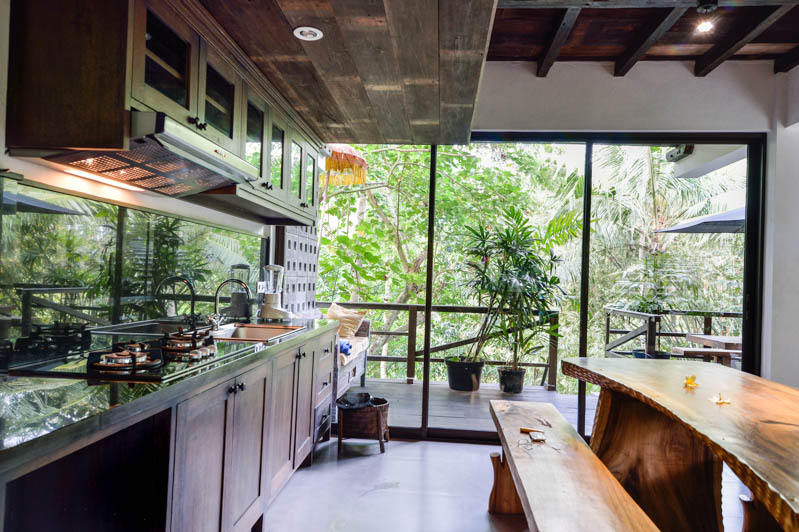
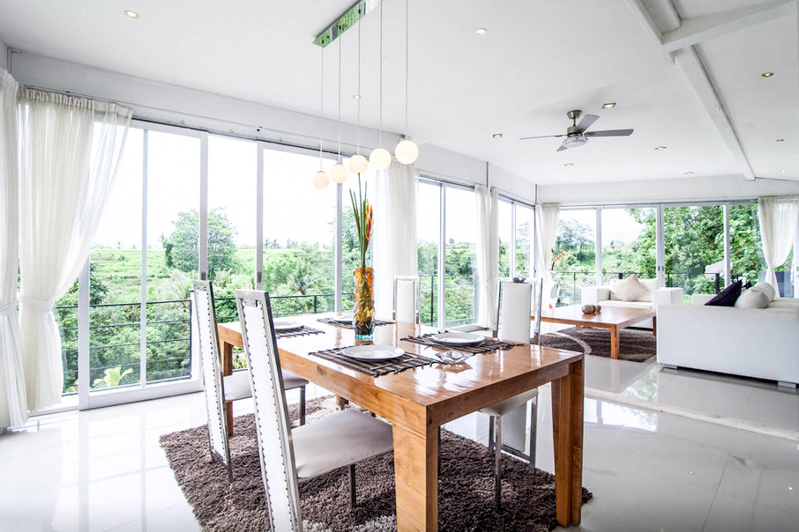
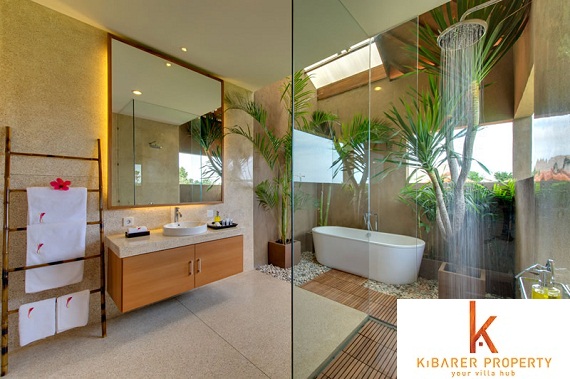
    Open and airy space is the essence of any private villa in Bali. The open space designs allows abundant lights to come in, creating a relaxed atmosphere that vacationers seek on their holiday. Coastal homes in Bali favour design aesthetic that prioritise natural lights so that everything feels just flow with the air. An open kitchen and dining room that merges with private pool is prevalent in many holiday homes in Bali. Vacationers also loves the opportunity to take bath in a secluded, semi-open showers which they don’t usually have back in the home. You will also want to feel as though there’s no boundary between the indoor and outdoor, so swap walls with large windows, large doors, and skylights for the ceiling. 

    Crisp Whites and Earth Tones 

    Crisp Whites and Earth Tones

    When you are trying to build a private villa Bali that defines a relaxed coastal living, white palette is the key. White crips interior complements the open-air designs as it reflect the lights and define the airy feeling. It also brings breezy coastal summer vibe to the room when complemented with earth and neutral colours like brown, washed-beige, or khaki. It’s also perfect to be paired up with soft vibrant colour like bright coral or deep green for an exotic coastal ambience. 

    Tons of Tropical Plants for Your Private Villa Bali 

    Tons of Tropical Plants in Private Villa Bali

    What is holiday home in Bali without tropical plants? Plants are one of he main element of beach homes. Not only that it brings the refreshing tropical breeze to the room; plants also serves as privacy landscaping to the villa. High trees with thick leaves like clumping bamboo, thuja green giants, and traveler’s palm tree are great to create an instant hideout and illusion of seclusion as it separates the villa from the outer world. Having green landscape on your wall is also great for the visual appeal and muffle the sound of busy roads. 

    More Villa and Holiday Home Inspiration:

    Tips to Make the Most Out of Luxury Villas Seminyak

    Ubud Villas Options for Your Recommendation

    Nature-Inspired Furnitures in Light-Washed Colour

    Nature-Inspired Furnitures in Light-Washed Colour

    Wood materials is very popular in most of luxury villa rental Bali to reflect the seaside living at its best. Furnitures are often made from teak, rattan, acacia, birch, or even repurposed driftwood. Many wood craftsman in Seminyak make trendy furnitures that were entirely made from recycled boats. Not only that it gives unique weathered look, but this material is also stronger and more durable than freshly-cut woods. 

    A Touch of Balinese Classic Ornaments 

    A Touch of Balinese Classic Ornaments

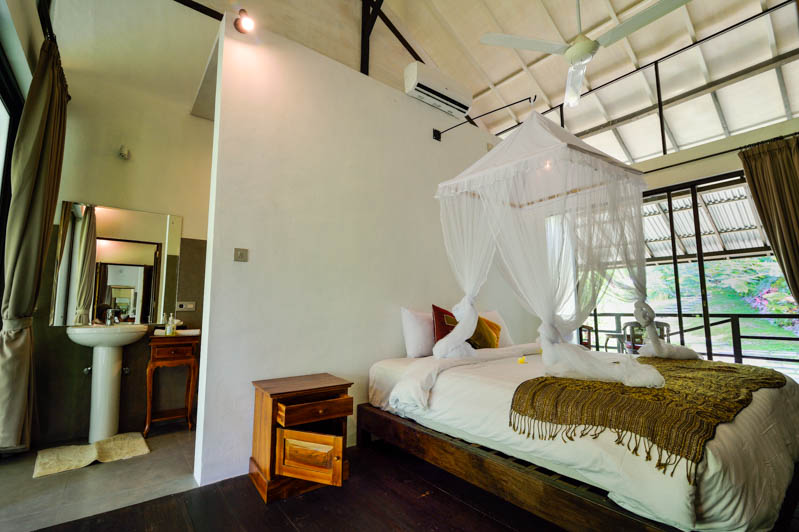
    What makes private villa in Bali different than the ones in Thailand is the subtle touch of Balinese tradition on the everyday life. A mix of classic ornaments like statue of Balinese Hindu god or goddesses often graced one corner on the villa. Guest beds features tradition-inspired flowing curtain which also serves as mosquito nets at night. Balinese’s woven bamboo materials can be added for shades or roofs of lounge room, mixing tradition with urban design.