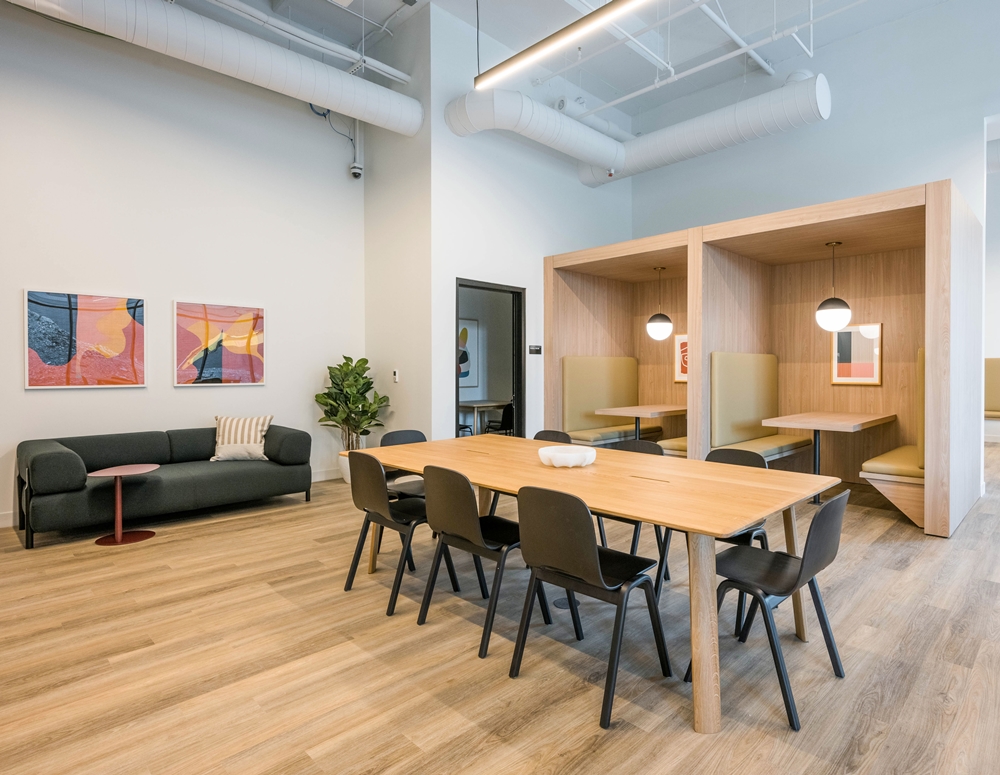
In 2025, co-living spaces are reshaping urban housing, offering affordable, community-driven alternatives for young professionals and digital nomads. As cities grow denser and housing costs soar, co-living has emerged as a solution that blends affordability, flexibility, and social connection. This article explores the rise of co-living spaces, their appeal to modern urban dwellers, and their profitability for property investors seeking high returns in a dynamic real estate market.
What Are Co-Living Spaces?
Co-living spaces are shared living arrangements where residents rent private bedrooms but share common areas like kitchens, living rooms, and workspaces. Designed for convenience, these spaces often include utilities, Wi-Fi, cleaning services, and community events in the rent. Unlike traditional roommates, co-living emphasizes curated communities, attracting young professionals, freelancers, and digital nomads who value networking and flexibility over owning property.
The concept has gained traction in cities like New York, London, and Singapore, where housing affordability is a challenge. For example, a 2024 report from CBRE noted a 15% increase in co-living developments globally, driven by demand from millennials and Gen Z. Co-living spaces cater to their need for short-term leases and vibrant, social environments, making them a cornerstone of modern urban housing.
Why Co-Living Spaces Are Booming
The rise of co-living spaces is tied to several trends. First, urbanization continues to drive young professionals to cities, where high rents and limited space make traditional apartments less viable. A Zillow study from 2024 found that median rent in major U.S. cities rose 7% year-over-year, pushing many toward shared living. Co-living offers an affordable alternative, with rents often 20-30% lower than studio apartments in the same area.
Second, the digital nomad lifestyle is fueling demand. With remote work normalizing, many professionals seek flexible housing that supports their mobile careers. Co-living spaces offer short-term leases, sometimes as brief as a month, making them ideal for individuals who relocate frequently. Platforms like Outsite and Common report occupancy rates above 90% in key markets, reflecting strong demand.
Finally, co-living fosters community, a key draw for younger generations. Residents often participate in organized events, from yoga classes to networking mixers, creating a sense of belonging. This social aspect differentiates co-living from traditional rentals, appealing to those who prioritize connection over isolation in bustling cities.
Profitability for Property Investors
For property investors, co-living spaces offer compelling financial opportunities. By converting traditional properties into co-living units, landlords can maximize rental income. For instance, a three-bedroom apartment that rents for $3,000 monthly could be reconfigured to house six co-living tenants at $800 each, generating $4,800—a 60% revenue increase. A 2024 Knight Frank report highlighted that co-living properties in urban markets yield 10-15% higher returns than traditional rentals.
Investors also benefit from higher occupancy rates and diversified risk. Since co-living spaces attract multiple tenants per unit, the impact of a single vacancy is minimized. Operators like WeLive and The Collective report consistent demand, with waitlists in high-cost cities. Additionally, co-living’s all-inclusive pricing model (covering utilities and amenities) simplifies management and reduces turnover costs.
However, challenges exist. Converting properties into co-living spaces requires upfront investment for renovations, such as adding bathrooms or soundproofing walls. Local regulations, like zoning laws or restrictions on short-term rentals, can also complicate operations. Investors must research markets carefully, targeting areas with high demand from young professionals, such as tech hubs or creative districts.
The Future of Co-Living Spaces
Looking ahead, co-living spaces are poised for growth as urban populations swell and housing preferences evolve. Innovations like smart home technology and sustainable design are enhancing their appeal. For example, some co-living operators integrate energy-efficient systems or co-working spaces to attract eco-conscious and remote-working tenants. A 2025 JLL forecast predicts co-living will account for 5% of urban rental markets by 2030, up from 2% today.
Yet, challenges like regulatory hurdles and market saturation could slow expansion. Investors and operators must balance profitability with tenant satisfaction, ensuring spaces remain affordable yet desirable. Partnerships with developers to build purpose-built co-living properties could address these issues, offering scalable solutions for urban housing.
Co-living spaces are more than a trend; they’re a response to the evolving needs of urban dwellers. For young professionals and digital nomads, they offer affordability, flexibility, and community. For property investors, they promise higher yields and stable demand. As cities adapt to new economic and social realities, co-living spaces may well define the future of urban housing, blending practicality with connection in an increasingly crowded world.