Blog

  • From Beginner to Pro: Diving Courses and Certification in Komodo

    From Beginner to Pro: Diving Courses and Certification in Komodo

    Komodo National Park is a diver’s paradise with its pristine waters, marine life, dramatic underwater landscapes, and world-famous currents. Komodo diving offers something for everyone, from complete novices to seasoned professionals. Whether you’re looking to take your first tentative breaths underwater or expand your diving expertise, a variety of diving courses and certifications are available in Komodo.

    Exploring the different diving courses, from beginner to professional levels. We’ll also delve into the unique experiences that await you on a Komodo liveaboard or private tour Komodo, the perfect platforms to embark on your underwater adventure.

    Diving in Komodo for Beginners: Discover a New World

    If you’ve always dreamt of exploring the underwater world but have yet to gain prior diving experience, fret not! Komodo National Park caters to first-time divers with introductory courses like PADI Discover Scuba Diving. This program enables you to enjoy the excitement of scuba diving while being directly supervised by a certified instructor. Before diving in an unprotected bay filled with vibrant coral reefs and captivating marine life. You will be taught the fundamental diving concepts in a secure and supervised setting, such as a pool. Before diving in an unprotected bay filled with vibrant coral reefs and captivating marine life. You will be taught the fundamental diving concepts in a secure and supervised setting, such as a pool.

    For those who want to delve deeper, the PADI Open Water Diver course is the next step. This certification, acknowledged worldwide, provides you with the necessary knowledge and abilities to dive independently with a partner to a depth of 18 meters. The course typically takes 3 to 4 days and involves classroom sessions, pool training, and open-water dives at various locations around Komodo Island.


    Read More:

    Komodo Liveaboard vs Day Trips: Choosing Your Adventure (Pros & Cons)

    48 Hours Trip on Labuan Bajo: Must-See & Do


    Advanced Diving in Komodo: Unveiling the Depths

    Komodo National Park offers many advanced diving courses for certified divers eager to refine their skills and explore new underwater frontiers. The PADI Advanced Open Water Diver course lets you focus on various diving specialties by completing elective dives. Choose from underwater photography, deep diving, wreck diving, drift diving (a must in Komodo!), or nitrox diving, depending on your interests.

    Divers seeking a leadership role can pursue the PADI Rescue Diver course. This program hones your emergency response skills and equips you to handle potential dive emergencies. The course is both challenging and rewarding, preparing you to become a more confident and responsible diver.

    Going Pro: Divemaster Training in Komodo

    Are you captivated by the underwater world and dreaming of a career as a dive professional? Komodo National Park provides the perfect training ground for aspiring divemasters. The PADI Divemaster course transforms you from a certified diver into a dive guide. Leading accredited divers on underwater tours and assisting instructors with courses. The comprehensive program encompasses dive theory, dive skills refinement, rescue techniques, and dive site management.

    Komodo Liveaboard: Your Diving Oasis

    Imagine waking up each morning to a breathtaking panorama of Komodo’s dramatic islands surrounded by crystal-clear turquoise waters. A Komodo liveaboard diving trip offers this very experience. Liveaboards are floating dive resorts that provide comfortable accommodations, delicious meals, and convenient access to some of Komodo’s most pristine dive sites.

    These vessels typically cater to small groups of divers, ensuring personalized attention from experienced instructors and dive guides. Spending several days on a Komodo liveaboard maximizes your diving experience. Efficiently exploring a more comprehensive range of dive sites, including areas with strong currents that are best accessed by boat.

    Private Tour Komodo: Diving on Your Terms

    A private tour of Komodo is an excellent option for those seeking a more customized diving experience. With a private tour, you can customize the itinerary, enabling you to concentrate on particular dive sites or courses that appeal to you. A private tour is ideal for experienced divers who want to explore lesser-known dive spots or photographers who require ample time to capture stunning underwater images.

    Komodo Diving: A Once-in-a-Lifetime Experience

    Komodo National Park is not just a diving destination; it’s an adventure. In between dives, you can witness the prehistoric Komodo dragons roaming freely on Komodo Island or embark on a Komodo sailing tour, taking in the park’s stunning scenery and diverse wildlife.

    Komodo diving guarantees a memorable adventure for both anxious novices and experienced experts. With its diverse range of diving courses, comfortable liveaboard options, and the possibility of customizing your trip with a private tour of Komodo, Komodo National Park caters to all levels of divers. So, pack your bags, take the plunge, and discover the underwater wonders of Komodo!
  • Spots in Bali For Taking Instagram-Worthy Pictures

    Spots in Bali For Taking Instagram-Worthy Pictures

    You can do many things when visiting Bali for vacation, such as snorkeling, sunbathing, trekking, climbing, swimming, scuba diving, and more. However, regardless of your reason for visiting Bali, one particular activity always takes effort to resist. It takes pictures in every beautiful spot. And guess what? There are no spots in Bali that are not beautiful. Thus, taking photos is the norm when traveling in Bali. You can take many Instagram or album-worthy pictures, from waterfalls, beaches, and caves to rice terraces. 

    Best spots in Bali to take beautiful pictures

    It doesn’t matter if you are into photography or just like taking pictures from your phone. Bali is the perfect place to indulge in your passion. There are many spots with beautiful, magnificent views in Bali to make your photographs look inviting and breathtaking. Here are several of them:

    Tukad Cepung Waterfall and Tegunungan Waterfall

    Two favorite spots for taking pictures, especially for adventure travelers and couples, are the stream of lights, the waterfall, and the peaceful surroundings. The stream of lights, the waterfall, and the peaceful surroundings are so beautiful that many tourists like to immortalize them in stunning pictures. The stone formation surrounding the waterfall is also an excellent backdrop for Instagram-worthy photos. However, be aware of the waiting line behind you because this spot is famous.

    Also read, Choosing Cruise Duration for Incredible Komodo Liveaboard

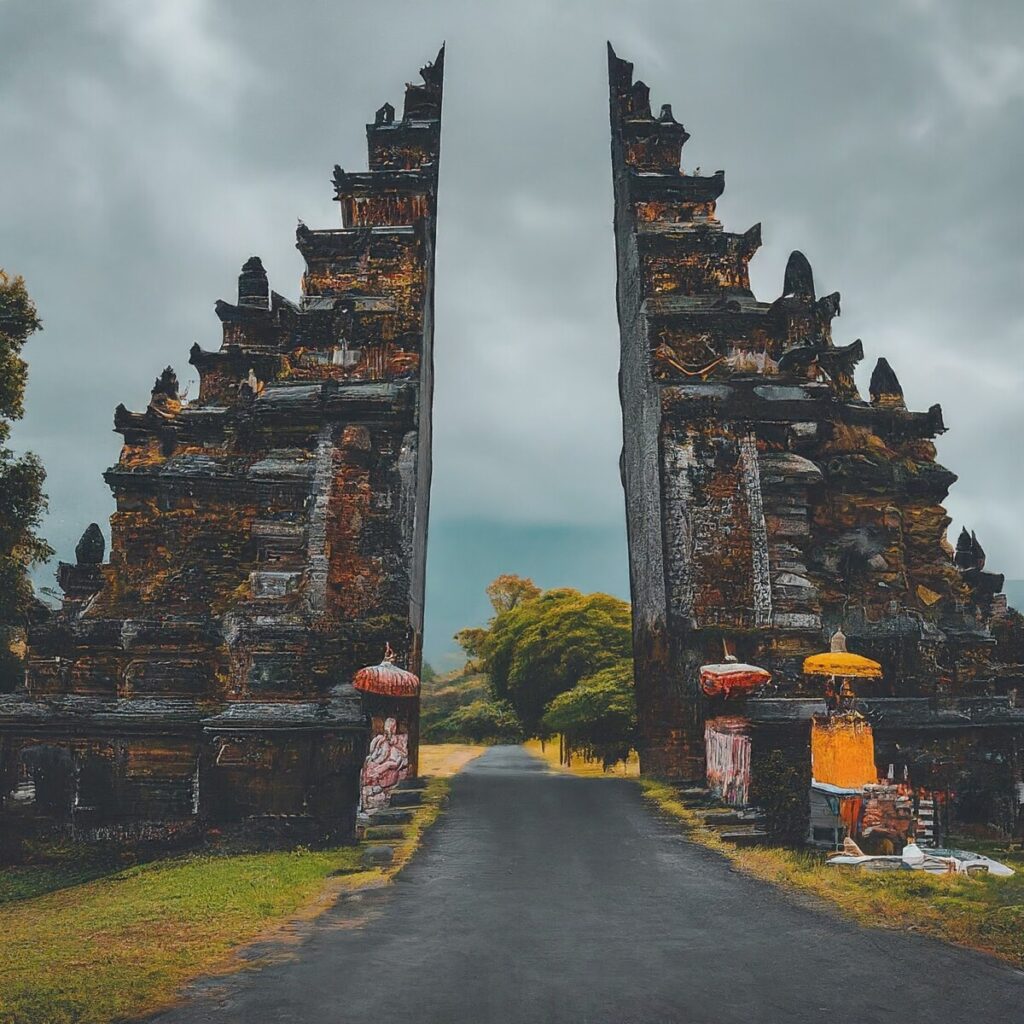
    Handara Gate

    has become a sensation on Instagram because many tourists posted pictures with the Handara Gate’s background. Not to mention that the view of the mountain can be found in the background as well. This showcases the greatness of Balinese architecture. However, you must be patient if you want to take perfect pictures because of the long lines waiting for their turn to take photos as well. You will also be charged to take pictures in this spot. Also, the cars passing by can be another issue that adds to the difficulty of taking perfect pictures. 

    Handara Gate is one of the best spots in Bali for Instagramable post

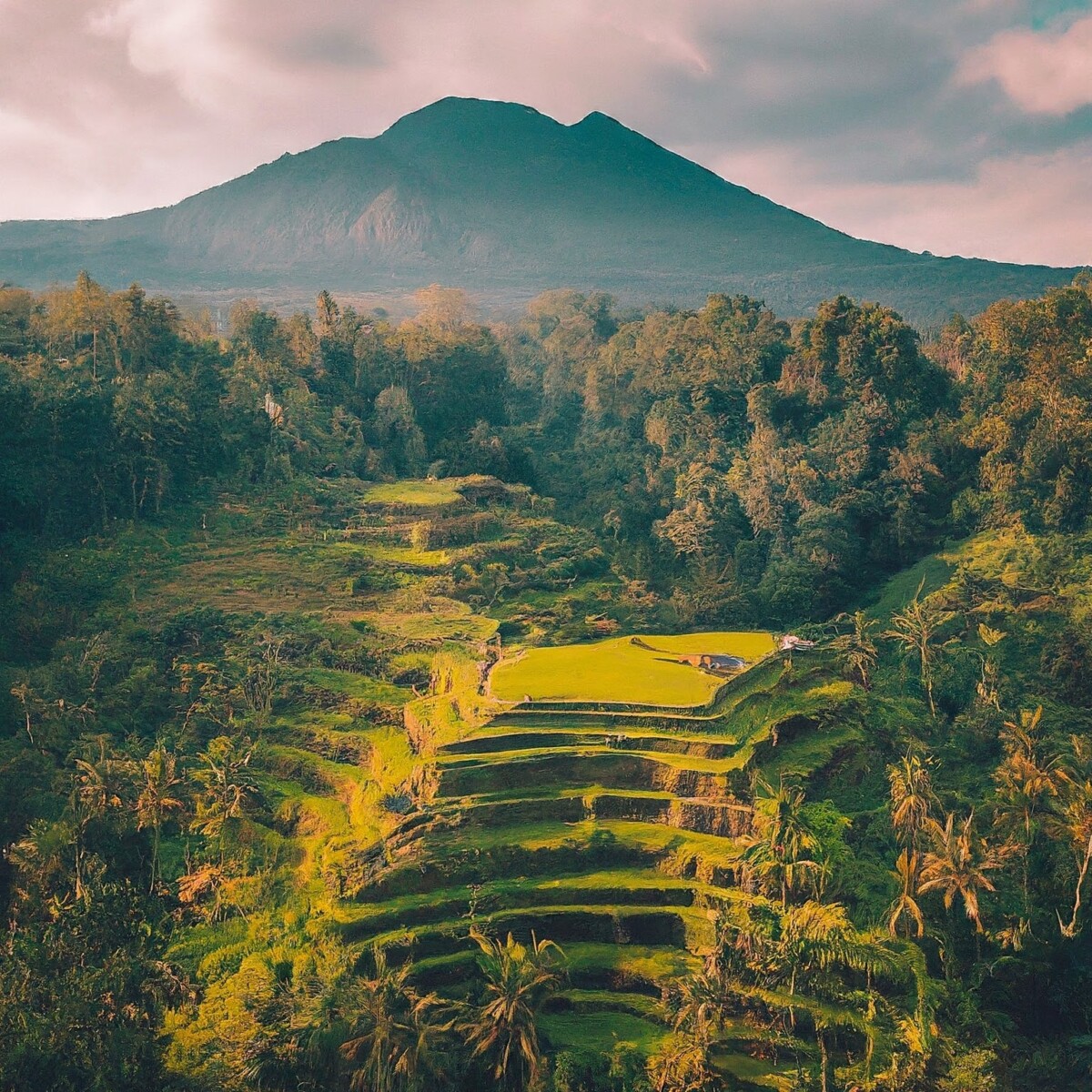
    Tegalalang Rice Terrace

    It is a trendy spot for photography. This place offers a great view that makes every picture look stunning. Many tourists even visit this spot to take beautiful pictures to post on their social media. The magical vibe and breathtaking nature setting make this place increasingly popular. Thus, it is often crowded with tourists. If you want to take perfect pictures in this spot, be patient and wait in line. 

    Pura Tirta Empul

    is also a popular spot in Bali that has gained attention from domestic and international visitors. This is a place where people come to purify their souls as well as remove all stress. Many locals do rituals here. This is a great place to appreciate and get to know more about Balinese culture as well. Taking pictures while you are soaked from head to toe with the background of a beautiful pool sounds easy. However, the crowd might drive you crazy. Come as early as possible to purify your souls while taking pictures peacefully.

  • 48 Hours Trip on Labuan Bajo: Must-See & Do

    48 Hours Trip on Labuan Bajo: Must-See & Do

    Labuan Bajo, a lovely city on the western shore of Flores Island in Indonesia, is the gateway to Komodo National Park’s wonders. This haven for nature lovers boasts dramatic volcanic landscapes, pristine coral reefs teeming with marine life, and the awe-inspiring Komodo dragons, the most giant lizards on Earth. With its abundant natural beauty and exciting activities, the Labuan Bajo trip offers an unforgettable adventure for any traveler.

    This guide outlines a power-packed 48-hour Labuan Bajo trip, ensuring you experience the park’s highlights without feeling rushed.

    Day 1: Unveiling the Jewels of Komodo National Park

    Morning: Embark on a Komodo Island Adventure

    Start your Labuan Bajo trip with a bang by joining a Komodo sailing tour or a private tour of Labuan Bajo to Komodo Island. These tours typically depart early in the morning, allowing you to witness the breathtaking sunrise and paint the sky with vibrant colors. Witnessing the majestic Komodo dragons roaming freely in their natural habitat is an unforgettable experience. Rangers will guide you through the rugged terrain, sharing fascinating facts about these prehistoric creatures.

    Afternoon: Dive into a Kaleidoscope of Marine Life

    After your Komodo Island adventure, head back to the boat and sail towards a nearby snorkeling spot. The crystal-clear waters of Komodo National Park are home to a staggering diversity of marine life. Expect to encounter colorful fish, vibrant coral reefs, graceful sea turtles, and playful dolphins.

    Evening: Savor Fresh Seafood and Sunset Views

    As the sun down below the horizon, casting an ethereal glow over the landscape, your boat will likely anchor near a secluded beach. Savor a delicious seafood dinner prepared by the crew, enjoy the fresh air, and enjoy the tranquility of the surroundings.


    Read More:

    Komodo Liveaboard vs Day Trips: Choosing Your Adventure (Pros & Cons)

    Komodo Island Conservation: A Call to Action for Global Awareness


    Day 2: Exploring Hidden Gems and Unveiling Local Culture

    Morning: Trek to the Top of Padar Island

    Rise early on your second day for a thrilling hike to the iconic viewpoint on Padar Island. This horseshoe-shaped island boasts three stunning bays – one with black volcanic sand, another with white sand, and the third a turquoise lagoon. The challenging but rewarding climb offers panoramic views that will leave you speechless.

    Afternoon: Discover the Allure of Kanawa Island

    After conquering Padar Island, sail to idyllic Kanawa Island. This tiny island paradise is fringed with pristine white sand beaches and surrounded by crystal-clear waters. Unwind on the beach, soak up the sun, or cool off in the ocean.

    Evening: Immerse Yourself in Local Culture at Labuan Bajo’s Night Market

    After a day of exploration, head back to Labuan Bajo and delve into the vibrant local culture at the town’s lively night market. Browse through an array of local handicrafts, textiles, and souvenirs. Savor various delicious street foods, from fragrant satay skewers to fresh spring rolls.

    Make the Most of Your Labuan Bajo Trip: Additional Tips

    Consider a Komodo Liveaboard: Consider a multi-day Komodo liveaboard for a truly immersive experience. These vessels allow you to explore the furthest reaches of the national park while enjoying luxurious amenities and unparalleled access to dive sites.

    Planning Your Labuan Bajo Trip: The best time to visit Labuan Bajo is during the dry season, which runs from April to October. During this period, you can expect clear skies, seas, and optimal conditions for exploring the national park.

    Booking Your Tours: When planning your Labuan Bajo trip, numerous tour operators offer options. From budget-friendly day trips to private tours of Labuan Bajo and luxurious Komodo sailing tours. Research reputable companies and compare itineraries before booking.

    Packing Essentials: Pack light, breathable clothing suitable for hot weather. Remember a hat, sunscreen, sunglasses, a swimsuit, reef-safe sunscreen, and a reusable water bottle.

    Respecting the Environment: Remember, Komodo National Park is a UNESCO World Heritage Site. Be a responsible tourist by following park regulations, minimizing waste, and respecting the delicate ecosystem.

    With careful planning and this handy guide, your 48 hours in Labuan Bajo will be an unforgettable adventure filled with breathtaking natural beauty, exciting meets with wildlife, and a deep appreciation for Indonesian culture.

  • Buying Your 1st Investment Property: Mistakes to Avoid

    Buying Your 1st Investment Property: Mistakes to Avoid

    Investing in real estate can be an effective way to increase your strategy. Owning a rental property can offer passive income, long-term appreciation, and a valuable asset for your financial future. However, for first-time investors, the process can be daunting. Understanding and avoiding common mistakes is crucial for setting yourself up for success. Here, we explore some key pitfalls to avoid when venturing into the investment property world.

    Rushing into a Decision without a Plan

    Excitement about potential returns can lead to impulsive decisions. Stay away from the first property that catches your eye. Develop a clear strategy for investing before you start searching. Consider your financial goals, risk tolerance, and desired timeline.

    • Define Your Goals: Are you aiming for steady cash flow, capital appreciation, or a combination?
    • Assess Your Risk Tolerance: Investment properties have inherent risks, such as vacancies and repairs. Are you comfortable managing these potential challenges?
    • Set a Budget: When determining your budget, factor in the purchase price, closing costs, ongoing expenses, and potential vacancy periods.

    Read Also: Real Estate Around the World: A Global Perspective on Buying and Selling Property

    Ignoring Location, Location, Location

    Location remains paramount in real estate investment. A property’s value is significantly affected by its surroundings.

    • Research the Neighborhood: Look for areas with stable or rising property values, good rental demand, and low vacancy rates.
    • Consider Amenities: Proximity to schools, transportation, and desirable amenities can attract tenants and increase rental income.
    • Evaluate Long-term Growth Potential: Choose an area with potential for future development or job growth, which could increase property value.

    Focusing Solely on Purchase Price and Ignoring Underlying Costs

    While the purchase price is essential, there are other financial considerations. Factor in additional ongoing costs associated with owning an investment property.

    • Closing Costs: Be prepared for closing costs, including origination fees, title insurance, and property taxes.
    • Maintenance and Repairs: Budget for regular service and potential repairs. Unexpected breakdowns are a reality of property ownership.
    • Property Taxes and Insurance: Research annual property taxes and factor in homeowners’ or landlord’s insurance into your calculations.
    • Property Management Fees: When recruiting a real estate management company, consider their fees when determining your potential returns.

    Overlooking the Importance of Professional Inspections

    A thorough inspection by qualified professionals can uncover hidden issues that could significantly impact your investment. Take advantage of this crucial step.

    • Hire a Qualified Inspector: Get a home inspection to identify structural problems, necessary repairs, and the property’s overall condition.
    • Consider Additional Inspections: For older buildings, consider additional inspections like pest control, electrical systems, or plumbing.
    • Negotiate Repairs: Use the inspection report as leverage during negotiations with the seller to address any significant issues.

    Underestimating the Importance of a Strong Tenant

    A reliable and responsible tenant is essential for a smooth investment experience. A good tenant can lead to timely rent payments, property damage, and eviction headaches.

    • Develop a Screening Process: Implement a thorough tenant evaluation procedure that includes credit checks, job verification, and reference verification.
    • Set Clear Lease Agreements: A clear lease agreement outlining expectations, rent payment deadlines, and maintenance responsibilities is essential.
    • Maintain Positive Relationships: Build a positive relationship with your tenant to encourage long-term occupancy and minimize potential issues.
  • Komodo Liveaboard vs Day Trips: Choosing Your Adventure (Pros & Cons)

    Komodo Liveaboard vs Day Trips: Choosing Your Adventure (Pros & Cons)

    The allure of Komodo Island, a volcanic archipelago teeming with prehistoric Komodo dragons and boasting breathtaking underwater landscapes, is undeniable. However, a crucial question arises for travellers: How can they experience this unique destination? Two primary options present themselves: Komodo liveaboard and day trips. Each approach offers distinct advantages and disadvantages, catering to different travel styles and budgets. Let’s delve into the pros and cons of each option to guide you in choosing your Komodo Island adventure.

    Unveiling the Magic of Komodo Island

    Komodo National Park, a UNESCO World Heritage Site, encompasses Komodo Island and several smaller islands. This ecological paradise is renowned for its rugged beauty, diverse marine life, and the Komodo dragons—the most giant living lizards on Earth. Exploring this region unveils a kaleidoscope of experiences: diving into vibrant coral reefs teeming with colourful fish, trekking through volcanic landscapes, and encountering the awe-inspiring Komodo dragons in their natural habitat.

    Liveaboard Adventures: Immerse Yourself in the Komodo Experience

    Komodo liveaboard is a multi-day cruise that offers a unique way to explore the national park. Imagine waking up each morning to a new breathtaking vista – a secluded cove, a dramatic volcanic formation, or a pristine dive site. Liveaboards typically provide comfortable accommodations, delicious meals, and experienced guides who navigate the best diving spots and ensure safe wildlife encounters.

    Read also: Komodo Island Conservation: A Call to Action for Global Awareness.

    Advantages of a Komodo Liveaboard:

    • Unparalleled Access: Liveaboards venture beyond areas accessible by day trips, reaching secluded dive sites and remote islands teeming with marine life and wildlife.
    • Maximize Dive Time: With minimal travel time between dive sites, liveaboards allow you to maximize your underwater exploration and experience the full spectrum of Komodo’s marine wonders.
    • Unwind and Recharge: Liveaboards offer a sense of relaxation and convenience. All your needs, from meals to accommodation, are taken care of, allowing you to unplug and truly immerse yourself in the Komodo experience.
    • Intimate Group Setting: Liveaboards typically accommodate a smaller group of travelers, fostering a more personalized experience and allowing for close encounters with marine life at dive sites.
    • Expert Guidance: Experienced crew members and dive guides provide invaluable regional knowledge, ensuring a safe and informative adventure.

    Disadvantages of a Komodo Liveaboard:

    • Higher Cost: Liveaboard adventures typically come at a premium price compared to day trips.
    • Limited Flexibility: Liveaboard itineraries are pre-determined, so there is less flexibility in choosing specific dive sites or activities than day trips.
    • Seasickness: While most liveaboards offer comfortable accommodations, rough seas can present challenges for those prone to seasickness.

    Read more: Choosing Cruise Duration for Incredible Komodo Liveaboard

    Day Trips: A Taste of Komodo Island

    Day trips to Komodo Island offer a more budget-friendly option for exploring the region. Departing from nearby Lombok or Flores Island, these excursions glimpse Komodo National Park, typically including snorkelling opportunities, visits to the Komodo dragons, and scenic island tours.

    Advantages of a Komodo Day Trip:

    • Cost-Effective: Day trips are significantly more affordable compared to liveaboard experiences.
    • Flexibility: Day trips offer more flexibility in choosing a specific departure point and tailoring your itinerary based on your interests and budget.
    • Ideal for Short Getaways: Are you short on time? Day trips are perfect for squeezing a Komodo Island adventure within a broader vacation itinerary.

    Disadvantages of a Komodo Day Trip:

    • Limited Exploration: Due to time constraints, day trips typically only visit a few select locations within the national park. Offering a less comprehensive exploration than liveaboards.
    • Crowded Dive Sites: Popular dive sites near departure points can get crowded with divers from several-day trips.
    • Limited Dive Time: Day trips involve more travel, leaving less time for extensive underwater exploration.

    Choosing Your Komodo Adventure: The Final Verdict

    Ultimately, the best way to experience Komodo Island depends on your preferences and priorities. Experienced divers find liveaboards perfect for extended immersive experiences, granting exclusive access to remote dive sites and wildlife encounters. However, suppose you’re on a tighter budget or prefer a taste of Komodo Island within a shorter timeframe. In that case, a day trip can be a fulfilling option.

    Regardless of your choice, Komodo Island promises an unforgettable adventure. Consider the advantages and disadvantages, plan your journey, and prepare to be enchanted by the marvels of this extraordinary archipelago!

  • Real Estate Around the World: A Global Perspective on Buying and Selling Property

    Real Estate Around the World: A Global Perspective on Buying and Selling Property

    The global real estate market is a tapestry of diverse practices, laws, and property types. This expanded article delves deeper into the intricacies of buying and selling property in various countries, offering a richer understanding of the unique characteristics and challenges of each market.

    The United States: A Diverse and Dynamic Market

    In the United States, the real estate market offers a wide range of options, from high-rise apartments in New York to ranches in Texas. The National Association of Realtors reported that in 2022, the median U.S. home price was around $350,000, a figure that varies greatly by region. The process of buying a house involves several steps, including securing a mortgage, which about 87% of buyers do. Each state has its own set of laws, and property taxes can differ significantly.

    The United Kingdom: Navigating Complexity

    The UK real estate market is known for its historical properties and modern developments. The leasehold system, particularly prevalent in cities, involves owning a property for a set period, often up to 99 years, while freeholds represent outright ownership. According to UK government data, leasehold sales accounted for around 30% of all property sales in England and Wales in 2021. The process is known for its chain system, making transactions interdependent and sometimes causing delays.

    Japan: High-Tech and High-Density Living

    Japan’s real estate market is a reflection of its high-density living and technological advancements. With a focus on maximizing space, the average size of a new apartment in Tokyo is about 65 square meters. Earthquake resistance is a critical factor, with stringent building codes ensuring properties withstand seismic activity. Japan’s unique property valuation system, known as ‘chika-koji’, calculates land value based on location and use.

    Australia: Sun, Surf, and Sales by Auction

    Australia’s real estate market emphasizes properties that complement its coastal lifestyle. The Australian Bureau of Statistics noted that in 2022, over 70% of Australian households lived in standalone houses. The auction system is a distinctive feature. It sold around 30% of properties in major cities. Foreign investors are subject to restrictions and additional taxes, such as the Foreign Investment Review Board (FIRB) approval.

    A simple illustration showing a globe with iconic buildings from various countries

    India: A Rapidly Evolving Market

    India’s real estate sector is witnessing significant growth, with luxury developments increasingly common. The introduction of RERA in 2016 has brought more transparency and accountability. However, the process can be complex due to various bureaucratic layers and different regulations across states. In 2022, residential property sales in major cities increased by 30% compared to the previous year.

    Germany: A Renters’ Haven

    Germany’s property market is unique, with a strong preference for renting over buying. About 48% of the population lives in rented accommodation. The buying process is heavily regulated. It involves notaries, and tenant rights are among the strongest in the world, offering significant protection to renters.

    Conclusion

    Understanding the nuances of the global real estate market is essential for anyone looking to venture into international property investment. From the diverse property options in the U.S. to the unique auction system in Australia, each country presents distinct opportunities and challenges. This exploration underscores the importance of local knowledge and expertise when navigating the complex landscape of global real estate.

  • The Role of Real Estate Agents in Bali

    The Role of Real Estate Agents in Bali

    Bali, Indonesia’s famed island paradise, is not only a hub for tourists but also a hotbed for real estate investments. The unique allure of Bali’s real estate market, particularly its leasehold villas and properties, has attracted a global audience. Central to navigating this complex and vibrant market are real estate agents, whose roles and expertise are indispensable.

    Real Estate Agents in Bali: More Than Just Intermediaries

    Real estate agents in Bali are much more than mere intermediaries between buyers and sellers. They are experts in local property laws, understand the nuances of the Balinese real estate market, and provide invaluable insights into the best investment opportunities. These agents guide buyers to navigate through the maze of available properties. They ensure that their clients find homes that not only meet their needs but also offer the best value for money.

    Understanding the Bali Real Estate Market

    The Bali real estate market is diverse, with a significant focus on leasehold properties. Leasehold villas in Bali are particularly appealing due to their affordability compared to freehold options and the flexibility they offer. These properties are often scattered in prime locations, offering stunning views and easy access to Bali’s many attractions. Real estate agents deeply understand this market segment and can provide essential guidance on the pros and cons of investing in leasehold properties.

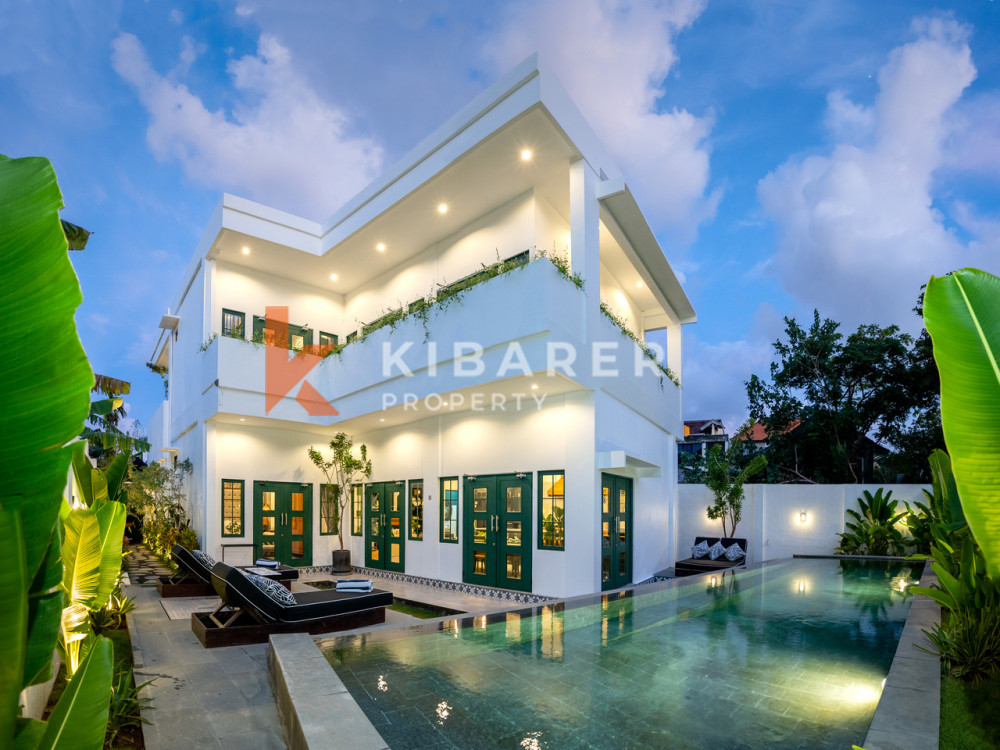
    FOUR BEDROOM ENCLOSED LIVING VILLA WITH POOL SITUATED IN CANGGU
    Credit: Villa Bali Sale

    The Evolving Landscape of Bali’s Real Estate

    Recent years have seen a shift in Bali’s property market. This change is driven by growing interest from international investors and changes in local regulations. Agents are at the forefront of understanding these shifts, offering clients the latest insights and advice. They stay abreast of market trends, legal changes, and investment opportunities. This knowledge is crucial for anyone looking to invest in Bali’s dynamic real estate sector.

    The Role of Real Estate Agents in Buying and Selling

    In the process of buying or selling property in Bali, real estate agents are invaluable. For buyers, they offer a comprehensive service that includes identifying potential properties, arranging viewings, negotiating prices, and navigating the legalities of property transactions in Indonesia. For sellers, agents provide market analysis, property valuation, marketing strategies, and negotiation expertise. Their local knowledge and professional networks are key to ensuring a smooth transaction.

    Beyond Transactions: Comprehensive Services Offered by Agents

    Agents do more than just buy and sell properties. They offer a range of services to ensure a holistic experience. These include property management, legal advice, and assistance with obtaining necessary permits. For foreign investors, agents also provide guidance on the legalities of owning property in Bali, ensuring compliance with Indonesian laws.

    Choosing the Right Real Estate Agent in Bali

    Selecting the right real estate agent in Bali is crucial. Here are some tips to help you make an informed choice:

    1. Look for Local Expertise: Choose an agent with extensive knowledge of the Bali property market.
    2. Check Credentials: Ensure the agent is licensed and has a good track record.
    3. Seek Recommendations: Personal referrals from satisfied clients can be very reliable.
    4. Communication Skills: Your agent should be a good communicator, keeping you informed at every stage.
    5. Understanding Your Needs: A good agent will understand your specific requirements and work to meet them.

    The Importance of Ethical Practices

    In an evolving market like Bali, ethical practices in real estate are paramount. Reputable agents adhere to high ethical standards, ensuring fair transactions and protecting clients’ interests. They prioritize transparency and integrity, which are crucial in building trust and long-term relationships with clients.

    In conclusion, real estate agents in Bali play a pivotal role in the island’s property market. Their expertise, local knowledge, and professional skills will be useful for anyone looking to do property transaction in this unique and vibrant market. By choosing the right agent, you can navigate the complexities of the Bali real estate market with confidence and ease, making your property investment journey a successful and rewarding experience.

  • Transforming Your Home with Sustainable Features

    Transforming Your Home with Sustainable Features

    In an increasingly aware of environmental challenges, sustainability has transcended mere buzzwords to become a guiding principle in various aspects of our lives. Nowhere is this more evident than in home design and construction. Transforming your home with sustainable features aligns with the global call for eco-conscious living and brings tangible benefits to your household. From energy efficiency to reduced environmental impact, this article explores the myriad ways to make your home a haven of sustainability.

    Embracing the Green Revolution

    A commitment to embracing the green revolution is at the heart of any sustainable home transformation. This isn’t just about following a trend; it’s a conscious decision to minimize your ecological footprint. To kickstart this transformation, consider conducting a thorough energy audit of your home. Understanding your current energy consumption provides a solid foundation for implementing targeted changes yielding the most significant environmental and economic benefits.

    Harnessing Solar Power: Beyond the Panels

    Solar panels have long been the poster child for sustainable living, and for good reason. They harness the power of the sun, providing clean and renewable energy. However, the scope of solar power goes beyond the panels themselves. Exploring innovative solar technologies, such as solar water heaters and solar-powered outdoor lighting, can significantly enhance your home’s sustainability. These technologies reduce dependence on conventional energy sources and contribute to long-term cost savings.

    Rainwater Harvesting: A Simple Solution with Big Impact

    Water scarcity is a growing concern globally, making efficient water use a critical aspect of sustainable living. Rainwater harvesting presents a simple yet effective solution. Collecting rainwater from your roof allows you to use it for various non-potable purposes, such as watering the garden or flushing toilets. This reduces your reliance on municipal water sources and conserves a precious resource.

    Energy-Efficient Appliances: A Win-Win for You and the Planet

    Upgrading to energy-efficient appliances is a practical and accessible way to transform your home. Modern devices, from refrigerators to washing machines, have energy-saving features that reduce utility bills and decrease overall energy consumption. Look for technology with the ENERGY STAR label, a symbol of superior energy efficiency, and contribute to a more sustainable future while enjoying the latest home technology.

    Green Landscaping: Beauty with a Purpose

    Sustainability extends beyond the walls of your home to the very grounds it stands on. Implementing green landscaping practices can enhance the environmental impact of your property. Opt for native plants that require less water and maintenance, incorporate composting into your gardening routine, and consider installing permeable surfaces to reduce water runoff. A sustainable home isn’t just about the building; it’s about creating a harmonious relationship with the surrounding ecosystem.


    Read More Articles:

    A Step-by-Step Guide: Buying Your First Home with Confidence

    The Revolution of PropTech: A Game-Changer in Real Estate


    The Smart Home Revolution: Efficiency at Your Fingertips

    Incorporating smart home technology is a futuristic yet practical step towards sustainability. From automated thermostats that optimize energy usage to intelligent lighting systems that adapt to your daily routines, these technologies make managing your home’s resources more accessible. The integration of artificial intelligence allows your home to learn and adjust, ensuring that energy is used precisely when and where it’s needed.

    Recycled and Eco-Friendly Materials: Building Responsibly

    The materials used in your home’s construction are pivotal in its sustainability. Opting for recycled or eco-friendly materials, such as reclaimed wood, bamboo flooring, or recycled metal, reduces the demand for new resources and minimizes your home’s environmental impact. Beyond the construction phase, these materials contribute to a healthier indoor environment by minimising the presence of harmful chemicals.

    Sustainable Waste Management: Closing the Loop

    Transforming your home into a sustainable haven involves minimising resource consumption and addressing waste management. Implementing effective recycling systems, composting organic waste, and reducing single-use plastics are crucial. Consider sustainable economy principles, where waste is minimized, and resources are continually reused, recycled, and repurposed. By closing the loop on waste, your home becomes a model of sustainability.

    The Economics of Sustainability: Long-Term Savings

    While the environmental benefits of a sustainable home are profound, it’s essential to recognize the economic advantages as well. Energy-efficient homes typically incur lower utility costs over time, and the initial investment in sustainable features often pays off through increased property value. Furthermore, government incentives and tax breaks are increasingly available for homeowners adopting eco-friendly practices, making the transition to sustainability a financially sound decision.

    A Sustainable Future Starts at Home

    In conclusion, transforming your home with sustainable features is not just a personal choice; it’s a commitment to a better, more sustainable future. From harnessing renewable energy sources to embracing intelligent technologies and responsible waste management, every small step contributes to a more significant environmental impact. Incorporating these sustainable features into your home enhances your quality of life. It is vital in the global movement towards a greener, more sustainable planet. Let your home be a beacon of change, showcasing that sustainability isn’t a luxury but a responsibility we all share.

  • Komodo Island Conservation: A Call to Action for Global Awareness

    Komodo Island Conservation: A Call to Action for Global Awareness

    Nestled amidst the azure waters of the Indonesian archipelago lies Komodo Island, a captivating realm renowned for its majestic Komodo dragons and breathtaking natural beauty. However, beneath its enchanting allure lies a pressing need for conservation, as this pristine wilderness faces many threats that demand urgent global attention.

    A Treasure Trove of Biodiversity

    Komodo Island and its neighboring islands form the Komodo National Park, a UNESCO World Heritage Site with extraordinary biodiversity. This unique ecosystem harbours many endemic species, including the Komodo dragon, the world’s most giant lizard. The island’s diverse habitats, ranging from verdant forests to pristine coral reefs, sustain a rich tapestry of life, making it a vital sanctuary for countless species.

    Facing the Brink of Extinction

    Despite its protected status, Komodo Island’s natural splendor is under siege by many threats. Habitat loss, driven by uncontrolled tourism and illegal logging, fragments the island’s ecosystems, disrupting the delicate balance of life. Overfishing decimates marine populations, depriving the Komodo dragons of their primary food source. Moreover, invasive species, such as feral cats and rats, threaten the island’s native wildlife.

    The Urgent Need for Conservation Action

    The conservation of Komodo Island is not merely an environmental imperative; it is a moral obligation to preserve this irreplaceable natural heritage for future generations. The island’s unique biodiversity holds immense scientific value, offering insights into evolutionary processes and ecosystem resilience. Moreover, the tourism industry, a vital source of income for local communities, is inextricably linked to the island’s pristine state.


    Read More Articles:

    Choosing Cruise Duration for Incredible Komodo Liveaboard

    Luxury Living at Sea: Liveaboard Indonesia Experiences


    A Collective Responsibility

    The preservation of Komodo Island requires a multifaceted approach that engages local communities, conservation organizations, and global stakeholders. Local communities must be empowered to protect their island home, fostering a sense of stewardship and sustainable resource management. Conservation organizations must continue their tireless efforts to monitor wildlife populations, combat invasive species, and promote sustainable tourism practices.

    Raising Global Awareness

    Global awareness is paramount to galvanizing support for Komodo Island’s conservation. Educational campaigns must inform the public about the island’s ecological significance and the threats it faces. Social media platforms can amplify conservationists’ voices and engage a wider audience. International cooperation is essential to establish effective conservation policies and secure funding for conservation initiatives.

    A Call to Action

    Komodo Island stands at a crossroads, its future teetering between preservation and peril. The time for action is now. We must collectively raise our voices and unite to safeguard this extraordinary natural treasure. By working together, we can ensure that Komodo Island’s legacy of wonder and biodiversity endures for generations.

    Steps You Can Take

    Beyond raising global awareness, individuals can take concrete steps to support Komodo Island’s conservation:

    • Choose sustainable tourism: When visiting Komodo Island, choose tour operators who prioritize environmental responsibility, support local communities, and adhere to sustainable practices.
    • Reduce your environmental footprint: Minimize your consumption of single-use plastics, make conscious food choices that support sustainable agriculture, and adopt eco-friendly habits in your daily life.
    • Spread awareness: Educate your family, friends, and colleagues about Komodo Island’s importance and the threats it faces. Share conservation news, engage in social media discussions, and organize awareness events in your community.
    • Support conservation organizations: Donate to reputable conservation organizations working tirelessly to protect Komodo Island’s biodiversity and ecosystems. Their efforts include monitoring wildlife populations, combating invasive species, and promoting sustainable tourism practices.

    Together, we can make a difference in safeguarding Komodo Island’s extraordinary beauty and preserving its priceless biodiversity for future generations. Let us heed the call to action and ensure that Komodo Island’s legacy of wonder endures for eternity. It is a collective responsibility to protect this natural treasure, and every effort, no matter how small, contributes to preserving this unique ecosystem.

  • A Step-by-Step Guide: Buying Your First Home with Confidence

    A Step-by-Step Guide: Buying Your First Home with Confidence

    Buying a Home

    Buying your first home is a significant milestone in life. It’s an exciting time, but it can also be daunting. With so much to think about, it’s essential to be prepared. This step-by-step guide will help you through the process of buying your first home with confidence.

    Get your finances in order.

    The first step to buying a home is to get your finances in order. Verifying your credit score, minimizing your down payment, and obtaining pre-approval for a mortgage are necessary steps.

    • Check your credit score: Your credit level is a measure of your creditworthiness. Lenders will use your credit score to determine whether you qualify for a mortgage and what interest rate you’ll receive. You can get a free copy of your credit report from each of the three major credit bureaus once a year at AnnualCreditReport.com.
    • Save for a down payment: Most lenders need a down payment of at least 3% of the purchase price of the home. However, if you can put down more, you’ll have fewer monthly mortgage payments and pay fewer interest rates over the life of the loan.
    • Get pre-approved for a mortgage: Receiving pre-approval for a mortgage will provide you an idea of how much money you can borrow and what your monthly mortgage payments will be. This will also help you minimize your home search for properties that are within your budget.

    Find a real estate agent.

    An excellent real estate agent can assist you in finding the ideal home for your preference and budget. They can also help you negotiate with the seller and ensure that the buying process goes smoothly.

    Look for a real estate agent with experience in the area where you plan to buy and a proven track record. You should also feel comfortable working with them and be able to trust their advice.

    Start your home search.

    Once you have a real estate agent, you can start your home search. Be sure to consider your needs and budget when looking for a home. Think about how many bedrooms and bathrooms you need, what kind of neighborhood you want to live in, and what amenities are important to you.

    After you express interest in a few homes, arrange viewings with your real estate agent. This will give you a chance to see the homes in person and decide which one is right for you.

    Make an offer

    Once you’ve found the home you want to buy, it’s time to make an offer. Your property agent can assist you in determining a fair price for the home and write up an offer letter.

    The seller may accept your offer, reject it, or create a counteroffer. If the seller makes a counteroffer, you’ll need to decide whether to take it or leave it.

    Get a home inspection.

    After the seller accepts your offer, you should schedule a home inspection. A home inspection is an examination of the home by a qualified inspector to identify any potential problems.

    If the home inspection reveals any problems, you can negotiate with the seller to have them fixed before you close on the home. If the seller refuses to resolve the issues, you might consider moving away from the deal.

    Close to the home

    Closing on the home is the final step in the buying process. This is when you’ll sign all of the necessary paperwork and take ownership of the house.

    On the closing day, you’ll need to carry a cashier’s check for the down payment and any other closing costs. You’ll also need to sign a mortgage agreement and other legal documents.

    Read More:

    The Revolution of PropTech: A Game-Changer in Real Estate

    The Subscription Economy: Unlocking Boundless Opportunities

    Tips for buying your first home with confidence

    Here are a few tips for buying your first home with confidence:

    • Do your research: Learn as much as you can about the home-buying process before you start shopping for a home. This will assist you in making the best decisions and avoiding any surprises.
    • Get pre-approved for a mortgage: This will give you an estimate of how much money you can borrow and what your monthly mortgage payments will be.
    •  It will also help you minimize your home search for properties that are within your budget.
    • Work with an excellent real estate agent: A good real estate agent can assist you find the ideal home for your requirements and financial situation.
    • They can also help you negotiate with the seller and ensure that the buying process goes smoothly.
    • Get a home inspection: A home inspection is an essential step in the home-buying process. It can help you identify any potential problems with the home before you close on it.
    • Be prepared to negotiate: The seller might reject your first offer. Be prepared